

World Superyacht Awards 2026: the winners

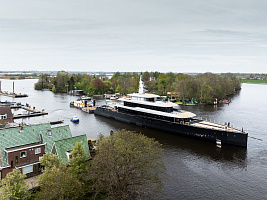
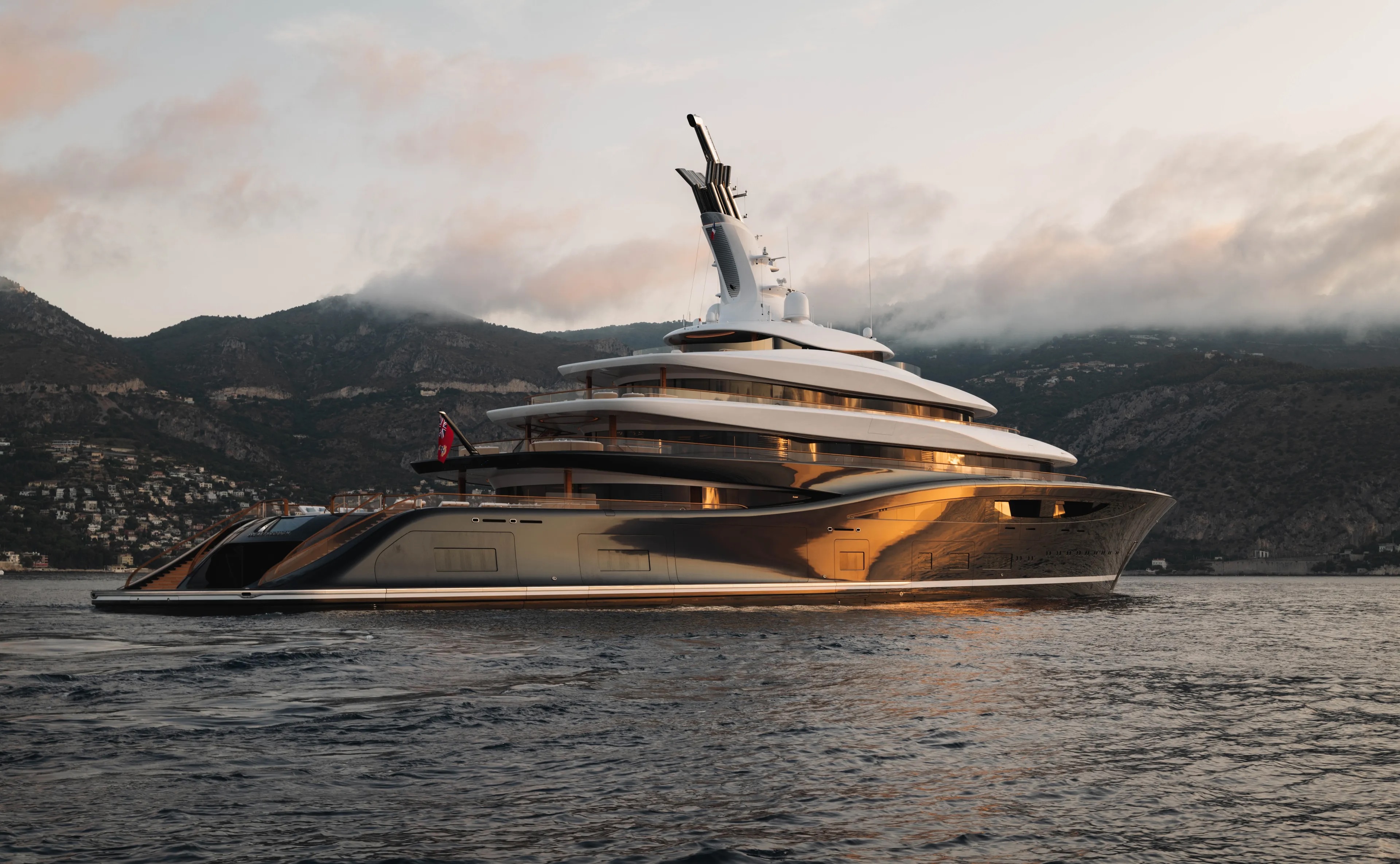
Motor Yacht of the Year / Displacement Motor Yachts – 5,000GT and above: Breakthrough
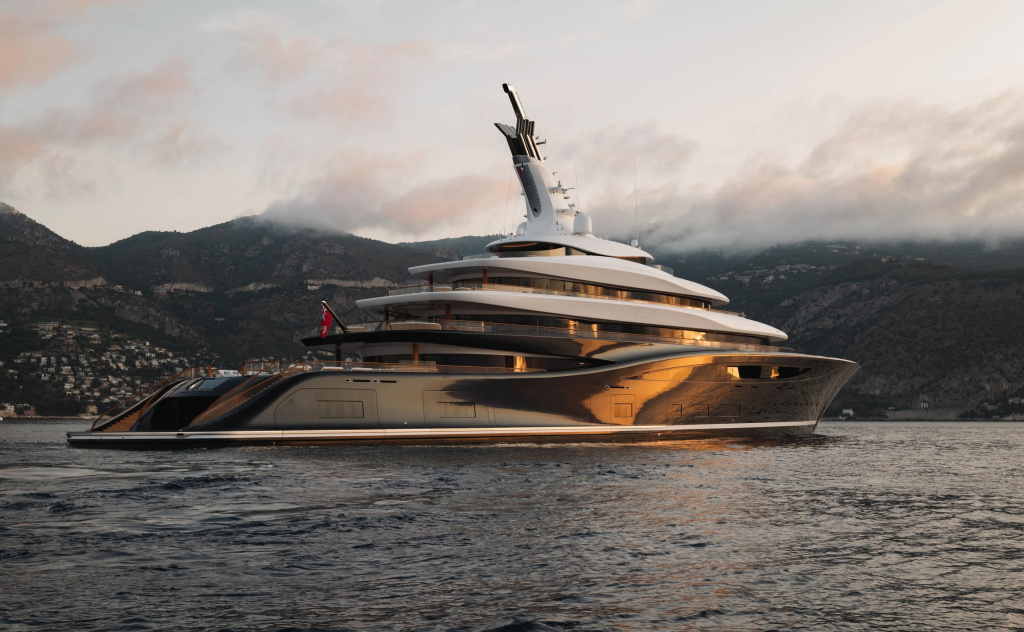
LOA: 118.8m
Builder: Feadship
Naval architect: Feadship De Voogt Naval Architects
Exterior & interior design: RWD
As the largest superyacht ever constructed in the Netherlands, Breakthrough benefits from the revolutionary use of cryogenic hydrogen to power fuel cells for propulsion. This achievement required Feadship to develop entirely new systems and safety protocols. At the time of construction, there were no established guidelines for hydrogen storage or fuel cell technology in marine applications. Feadship worked closely with Lloyd's Register and the Cayman Islands flag authority to create the necessary framework.
Breakthrough also features a heat recovery system that repurposes energy from generators and fuel cells, an intelligent energy management system that adjusts climate control based on occupancy, and advanced exhaust treatment systems to minimise environmental impact. Even the yacht's tender is fully electric, recharged via onboard fuel cells.
Design highlights include the underwater Nemo room, sliding balconies in guest suites, and a contraflow pool with a double glass bottom.
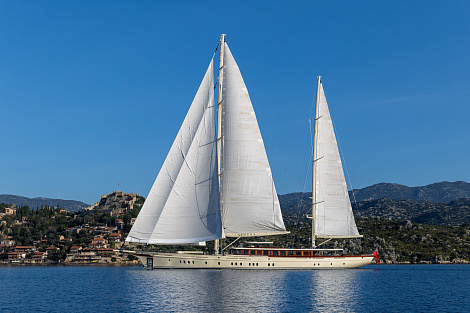
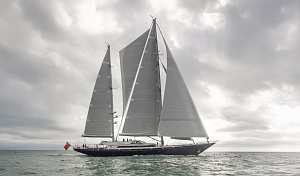
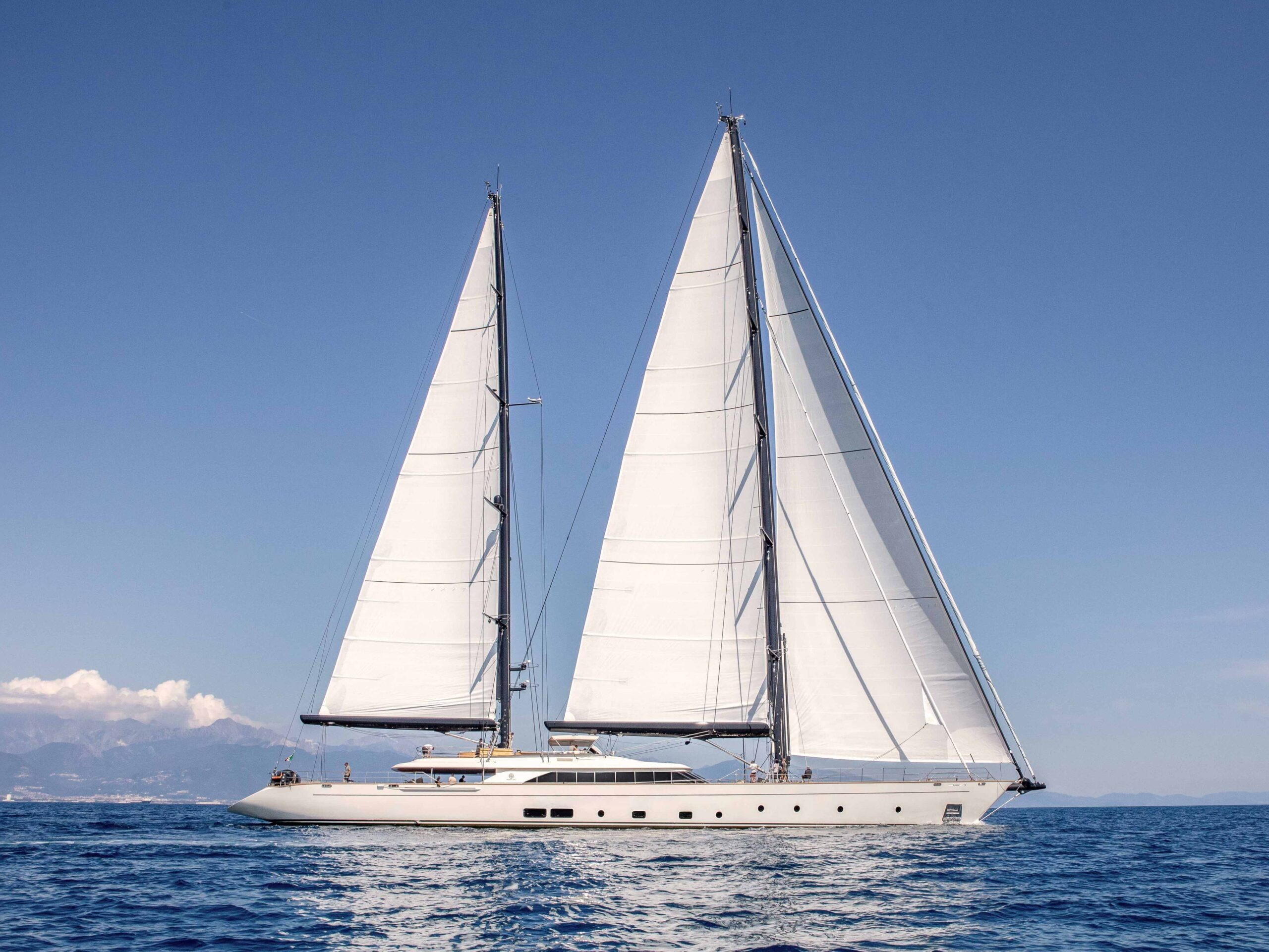
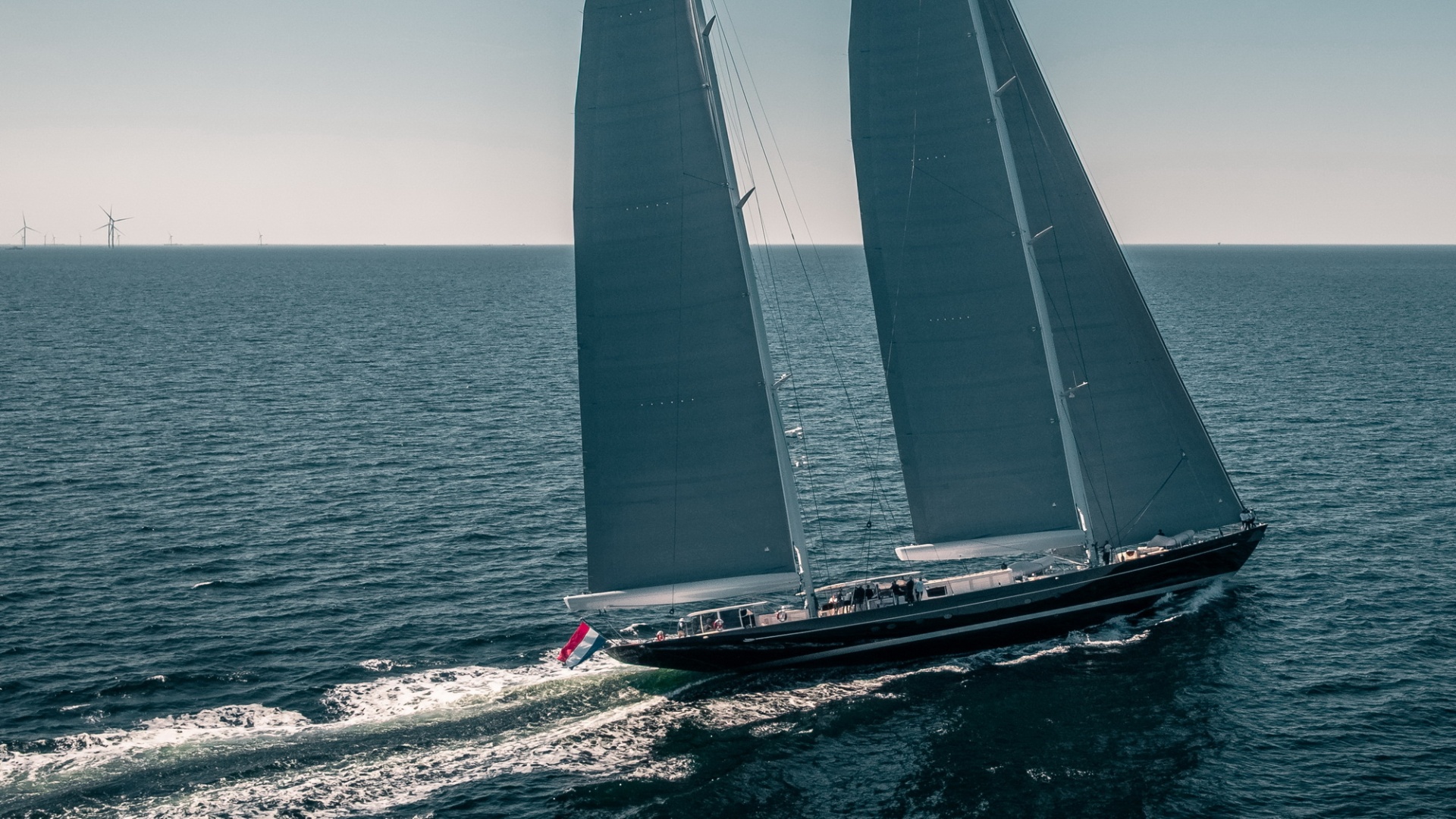
Sailing Yacht of the Year / Sailing Yachts – 40m and above: Aquarius
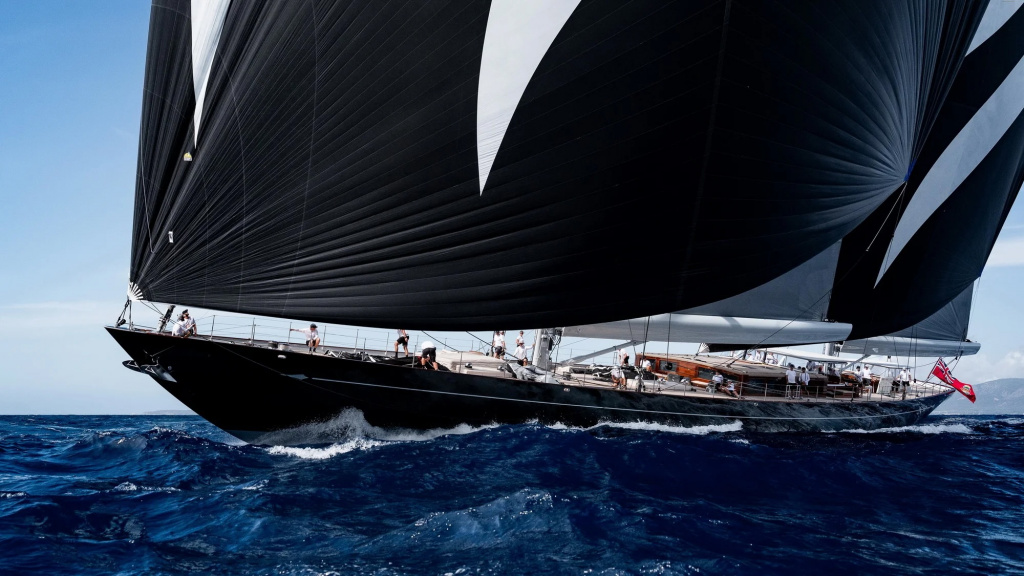
LOA: 65m
Builder: Royal Huisman
Naval architect / exterior design: Dykstra Naval Architects
Interior design: Mark Whiteley Design
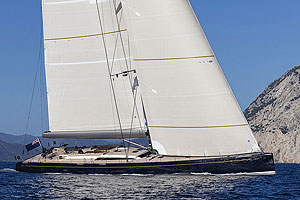
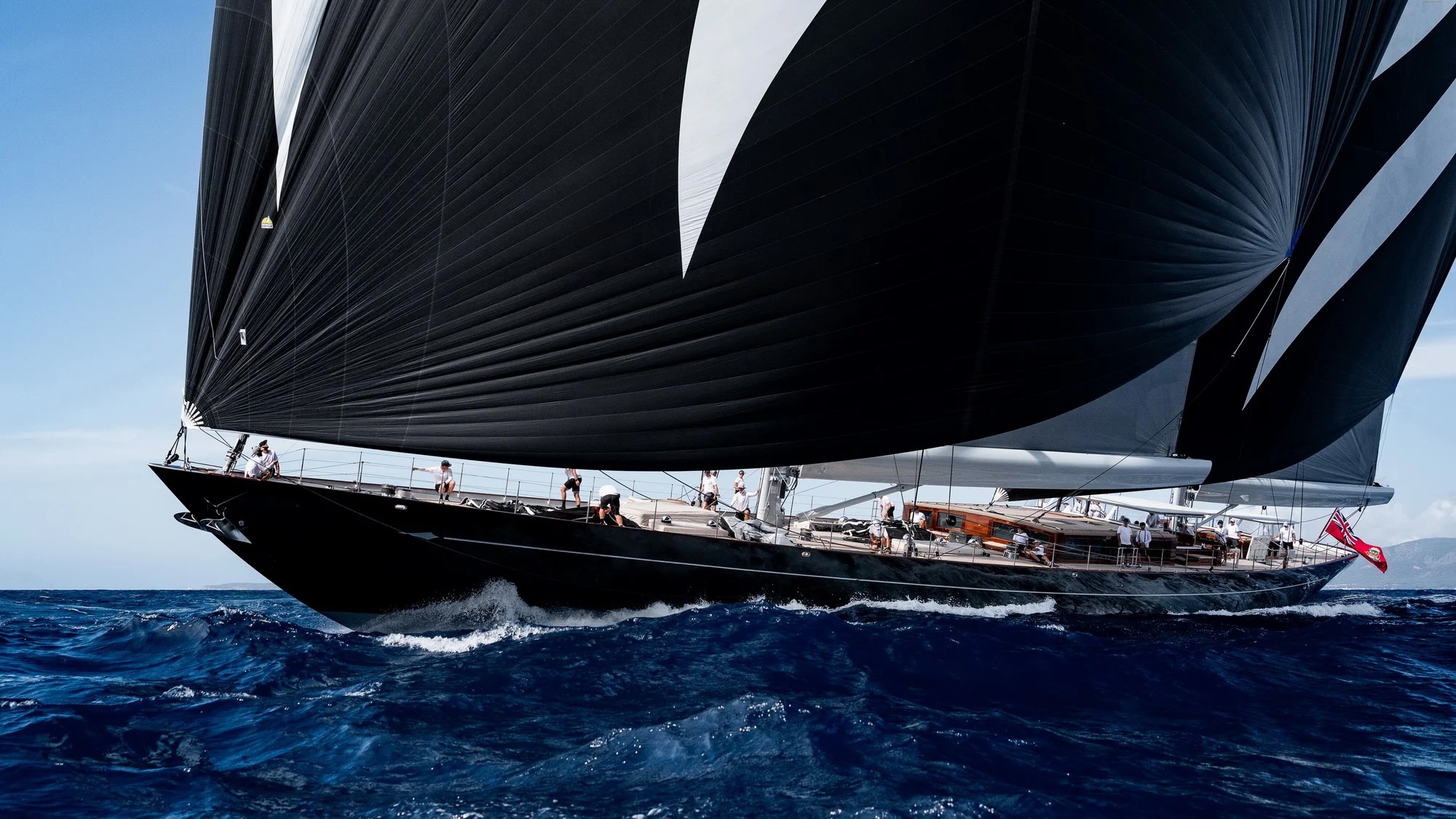
Aquarius represents a significant evolution from her predecessor, the 56m yacht of the same name, delivered in 2018. The design team prioritised performance, opting for a taller mast and a generous sail plan that sacrifices Panama Canal transit for superior light-air handling and speed. The ketch rig, with a main mast of 67.5 metres and a mizzen of 61 metres, provides ample sail area, while a lifting keel enhances stability and performance. These features allow Aquarius to achieve speeds of up to 16 knots.
Edson's electric steering assist reduces helm load while maintaining precise feedback. The expanded interior volume – nearly 50 per cent larger than the previous Aquarius – allowed for significant improvements in crew areas, storage and mechanical systems. The yacht comes with a 10.6m chase boat and multiple tenders.
Mark Whiteley's interior design reflects the owners' preference for "New England relaxed elegance". The light classic-contemporary style features hand-painted walls, satin mahogany cabinetry and nickel hardware, creating a refined yet welcoming atmosphere.
Refitted Yachts: Solace
LOA: 57m
Original builder: Feadship
Refit yard/management: Pendennis Shipyard
Naval architect / exterior design: Feadship / Pendennis Shipyard
Interior design: Vickers Studio
Born as Twizzle in 2005, this iconic Feadship yacht earned a World Superyacht Award in 2006 when she was new. In the past two decades, she has gone through many owners and iterations, from Drizzle to Madsummer. Her latest revival, which took place at Pendennis, and subsequent rebirth into Solace, caught the judges' attention.
The refit respected and amplified the integrity of her original interior design. John Vickers and his team at Vickers Studio, who were involved in the yacht's original build, were brought back in for the refit. Rather than reinventing her design, the refit focused on refining her understated elegance, creating a space that feels more like a home while retaining her classic charm.
The refit also prepared Solace for extended travel in remote and uncharted regions as she embarks on a four-year circumnavigation. A full technical overhaul and the integration of new technologies optimised her safety and compliance in demanding environments, including polar and high-latitude regions. A new double supernumerary cabin was added to accommodate guides, pilots or other personnel required for remote regions. The lazarette and swim platform were reconfigured to incorporate a sauna and optimise the aft section.
Rebuilt Yachts: Moonstone
LOA: 79.2m
Original builder: Delta Marine
Refit yard/management: Amels Refit
Naval architect: Delta Design / Damen Yachting
Exterior design: Espen Øino International / Harrison Eidsgaard
Interior design: Harrison Eidsgaard
Formerly known as Albatross, this Delta Marine yacht, launched in 2016, underwent an extensive rebuild with Damen Yachting at Amels Refit. Core to the project was a 7.2m transom extension to accommodate a new wellness centre and pool.
To enhance the exterior design, white paint was added to the sheer line to further emphasise her length, creating the appearance of a true gentleman's yacht. Extensive work was also carried out on the sundeck bar, bridge deck lounge (which was transformed from a gym), owners' lounge, his-and-hers bathroom, guest lounge, main saloon and dining area. Meanwhile, lighter refit work took place in all foyers, the owners' cabin and guest cabins. The sundeck staircase was relocated to directly connect to the winter garden below. With the louvres open, these spaces function as one multi-level entertainment area.
Inside, the yacht has been reimagined to feel more like a home, with updated layouts and features designed for long-term comfort and a closer connection to the sea. Throughout, the use of sustainable materials was prioritised, including selecting Lapitec sintered stone arranged in a striking starburst pattern rather than traditional teak, creating an unexpected yet comfortable underfoot sensation that resonated with the family's vision of modern, responsible yachting.
Judges' Special Award: Seawolf
LOA: 58.8m
Original builder: J & K Smits Scheepswerven
Refit yard/management: Pendennis Shipyard
Naval architect: Marine Architecture Design / DBR Huisman
Exterior design: Design Unlimited
Interior design: Design Unlimited / Ngila Boyd
Originally launched in 1957 as the ocean-going tug Clyde by J & K Smits Scheepswerven, Seawolf was converted into a luxury motor yacht in the late 1990s and early 2000s. Arriving at Pendennis in 2022, Seawolf underwent one of the most extensive and technically challenging refits in her history.
This ambitious project included a complete systems overhaul. Structural modifications included converting a former fuel tank into a battery room for hybrid systems, installing new bulkheads and addressing corrosion to ensure long-term integrity. Externally, her classic design was honoured with new aluminium masts, a redesigned funnel and a hydraulic side-boarding platform. Below deck, Seawolf's original diesel engines were preserved and modernised, while new generators, an advanced HVAC system and a hybrid propulsion system were installed. This innovative setup allows for silent, emission-free operation, reflecting a commitment to sustainability.
The interior redesign was led by Design Unlimited in collaboration with Ngila Boyd. The owners' deck was reconfigured for functionality, with a new layout that better suited their routine, and this was the area that saw the most change to the general arrangement. Positioning the cabin forward, with the en suite, dressing room and study aft, the space has an easy, circulatory flow yet can be closed off, allowing someone to be working in the office without disrupting someone who may be sleeping. In terms of decor, traditional yachting aesthetics were paired with contemporary touches.
Judges' Commendation: Ursus
LOA: 30.36m
Original builder: Acico Yachts
Refit yard/management: Balk Shipyard
Naval architect / Exterior & Interior design: Mulder Design
The judges were impressed by the scope of Ursus's rebuild, which saw her extended by six metres to create a very different yacht. Originally delivered in 2016 by Acico Yachts as their final project, Ursus was the shipyard's first explorer yacht and the only Bandido 80 ever constructed.
The owner, drawn to Northern European engineering and a sub-30m platform for accessing remote coves, sought a yacht that could accommodate their family for extended journeys while offering generous exterior space and a private retreat. After delivery, it became clear that Ursus required significant upgrades to meet these expectations. Rather than starting anew, the owner partnered with Balk Shipyard and Mulder Design to reimagine the vessel while preserving her character and minimising environmental impact.
The rebuild was comprehensive, with Balk Shipyard removing half of the original yacht and adding 18 m of new construction, resulting in a vessel six metres longer. The new hull shows improved seakeeping, enhanced fuel efficiency and an increased cruising speed of 10 knots. The yacht now features a split-level beach club, expanded outdoor spaces and modernised systems such as Starlink Wi-Fi, electric Veth propellers and FSC teak decks. Interior elements were carefully preserved where possible, reflecting the owner's commitment to sustainability.
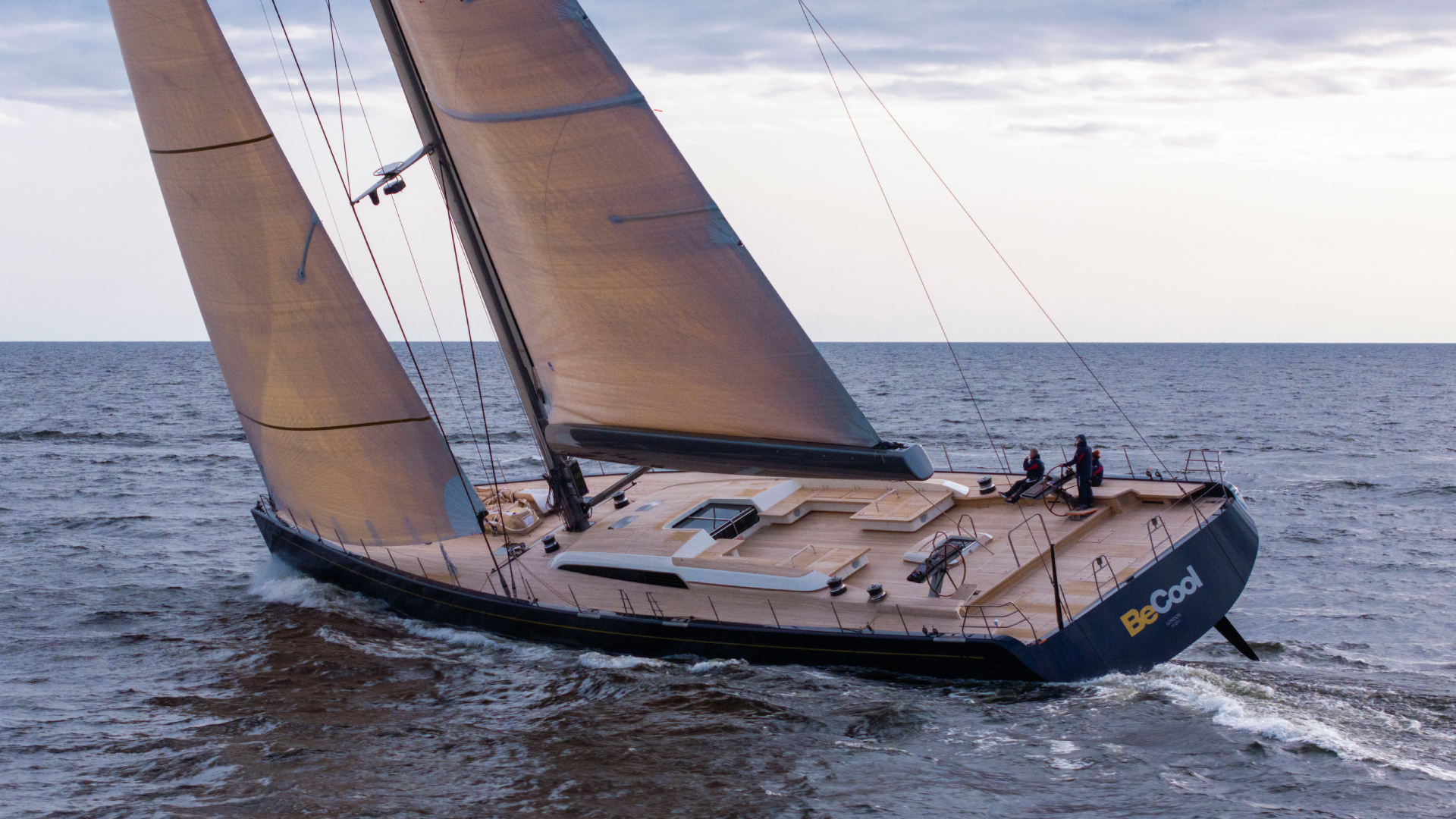
Sailing Yachts – 30m to 39.9m: BeCool

LOA: 38.98m
Builder: Nautor Swan
Naval architect: Germán Frers
Exterior design: Micheletti+Partners
Interior design: Misa Poggi
The new flagship of the Swan Maxi class is a yacht built for fast and fun cruising, and the judges noted her performance metrics and excellent naval architecture. BeCool flies a total sail area of 900 sq m. Designed to excel in light winds of six to 10 knots, the yacht delivers a thrilling yet manageable sailing experience, catering to both experienced sailors and family cruising. The yacht's sail-handling includes a furling boom, self-tacking jib and captive reel winches controlled from the helm station, significantly reducing crew requirements and enhancing ease of operation. The steering system features full carbon fibre rudders by Isotop and two-speed gearboxes from JP3 for the wheels, allowing the driver to adapt the rim loads and responsiveness of the steering depending on the conditions.
Optimised through advanced CFD analysis to achieve exceptional hydrodynamics, BeCool boasts an efficient hull shape, telescopic keel and twin rudder arrangement that ensures superior balance, low resistance and outstanding performance across a range of sailing conditions. Crafted from high-strength Duplex stainless steel, the telescopic keel, the largest of its kind, allows for a draught range of 4.4 to 6.7 m, enabling both shallow anchoring and optimal sailing performance.
Constructed using Nautor's advanced carbon fibre and Corecell sandwich technology, the yacht achieves a good balance of strength, lightness and noise suppression for a luxurious onboard experience.
Judges' Special Award: Katana
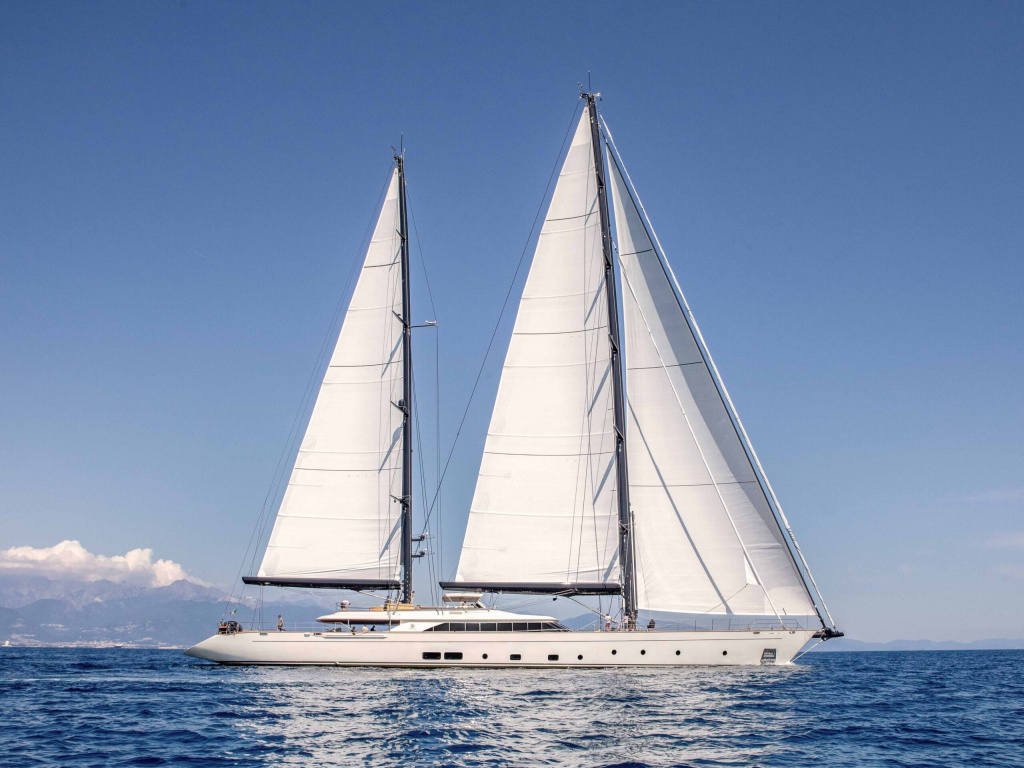
LOA: 60m
Builder / Naval architect / Exterior design: Perini Navi – The Italian Sea Group
Interior design: Rémi Tessier Design
"This is one of the nicest sailing yacht interiors I've ever seen," remarked one judge of Katana, whose name in Japanese means "long sword". All of the judges agreed that her captivating interior was worthy of recognition in itself, thus bestowing her a Special Award. Every detail is meticulously tailored, creating a sanctuary of calm that is just as eye-catching as it is soothing.
The interiors flow seamlessly in three dimensions, mirroring the yacht's graceful curves. A floating ceiling, reminiscent of a giant palladium leaf, hovers above smooth natural teak floors, while brushed cedar walls envelope the space in warmth. At the heart of the design, the bed and sofa appear to levitate, bathed in light filtered through copper-thread blinds that glisten at night, shimmering in the glow of sunset on the sea.
Connecting the decks is a minimalist titanium staircase, its taut shrouds suspending teak steps in a transparent structure that evokes the lightness and tension of a yacht's rigging. The bathroom features an organically shaped sink carved from solid ivory onyx, resting on a walnut slab, complemented by bespoke Baccarat crystal and aqua-blue accents softly illuminated from within. A sandblasted glass partition is sculpted to mimic ocean waves. Guided by the Japanese philosophy of simplicity and refinement, Katana's design avoids predictable gimmickry.
Beyond her stunning interior, Katana also stands out as being a pivotal milestone for the re-launch of the Perini Navi brand, which is now fully integrated in The Italian Sea Group. She features an aluminium hull and superstructure, with carbon fibre masts and rigging from Southern Spars. She also boasts a retractable keel and dynamic positioning system.
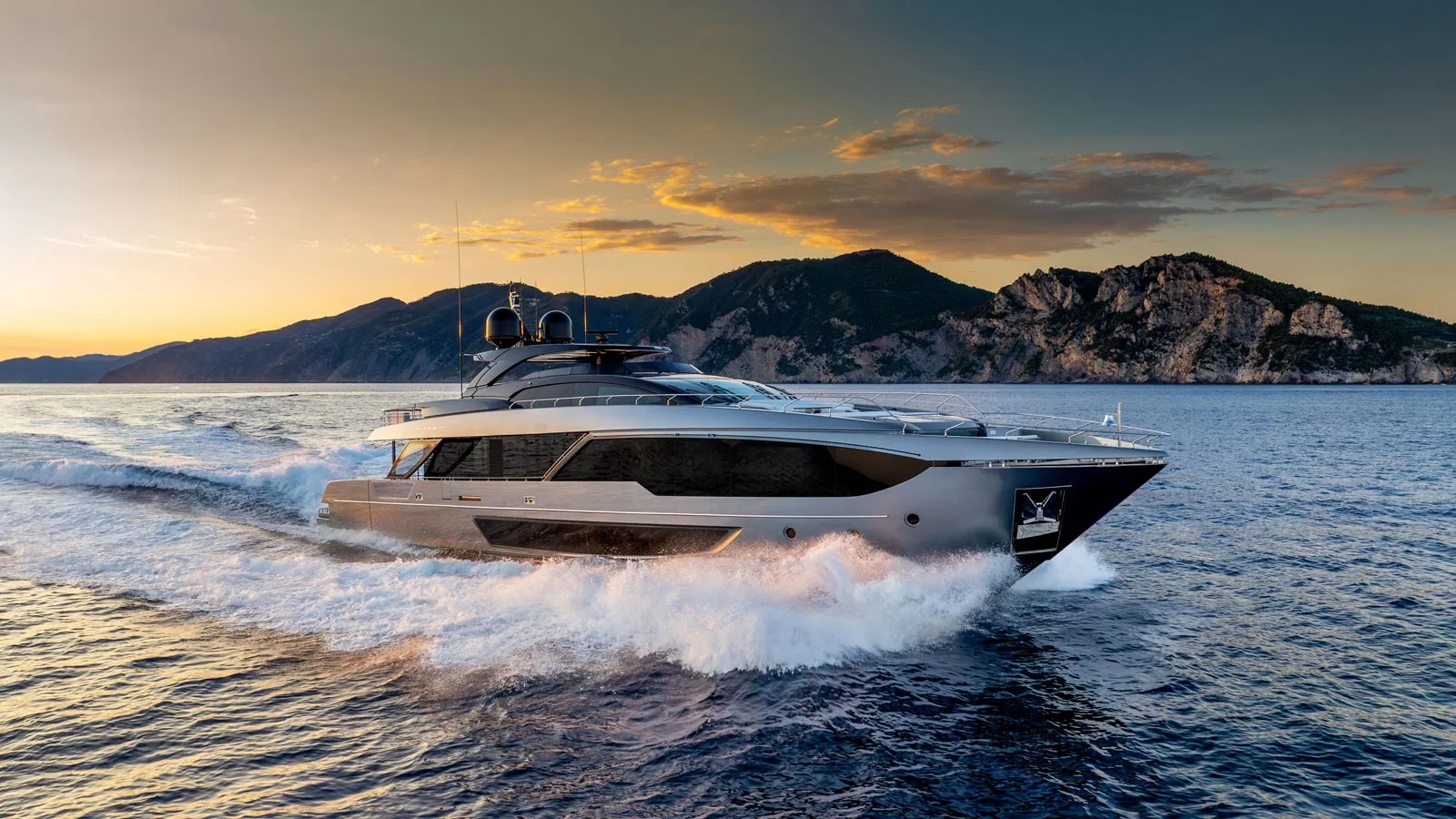
Semi-Displacement or Planing Motor Yachts – 30m to 34.9m: Mirage
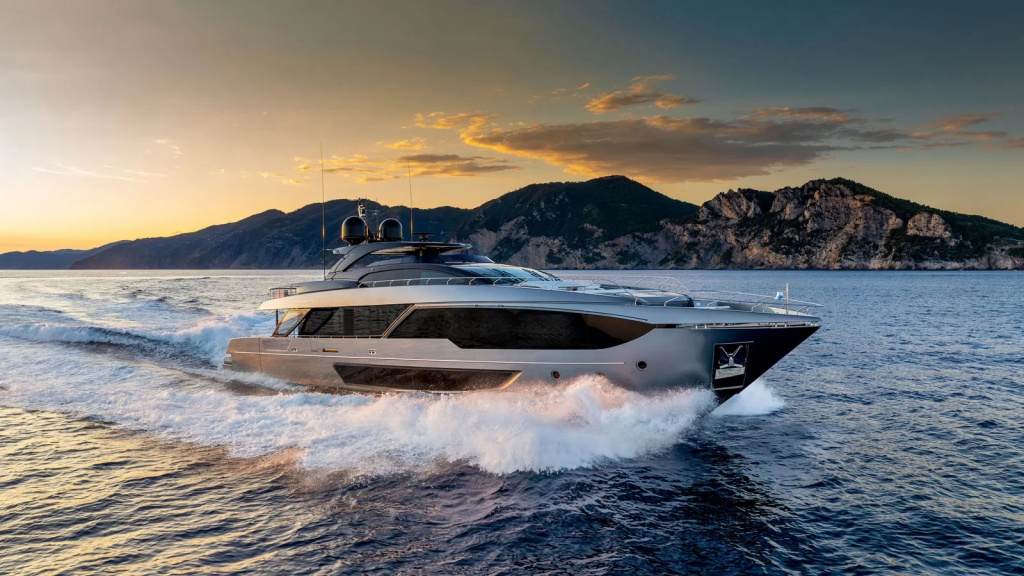
LOA: 34.37m
Builder: Riva – Ferretti Group
Naval architect: Ferretti Group Engineering Department
Exterior & interior design: Officina Italiana Design
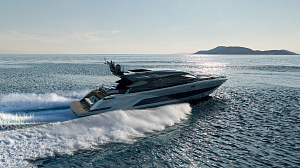
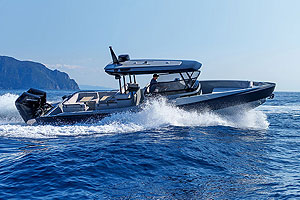
This silver speedster, from Riva's 112 Dolcevita Super New series, impressed the judges with her excellent build quality and technical advancements. Mirage is one of six 112 Dolcevita yachts. She represents a step forward in Riva's flybridge line, with a 25 per cent increase in glazed surfaces, which required advanced structural engineering to ensure safety and rigidity, certified by RINA. Such updates were made without sacrificing the yacht's streamlined hull profile.
Al fresco spaces are the model's major USP, typified by the beach club, where an ultra-low, 35-squarem platform offers easy access to the ocean. The multifunctional beach club features fold-down bulwarks and a stern garage. This space accommodates a Williams 565 DieselJet tender, a Sea-Doo RXT-X 300 and two Seabobs, all stored in a ventilated compartment for convenience and safety. With naval architecture by the Ferretti Group Engineering Department, Mirage also incorporates practical improvements to meet regulatory and functional requirements. The air intakes for the IMO Tier III engines have been rearranged, and access to the engine room has been redesigned for better functionality and safety. Her top speed is 25 knots, and she boasts a maximum range of 460 nautical miles when navigating at cruising speed, with power coming from twin MTU diesel engines.
In an evolution from earlier models, the flybridge furnishings have been completely redesigned on the Riva 112 Dolcevita Super New. The living space is decorated with freestanding furniture for a "welcoming and versatile" style, while in the central area, a cocktail bar with stools and a television faces a generous sofa lounge. Mirage is a well-balanced combination of style and engineering, as one would expect of a Riva.
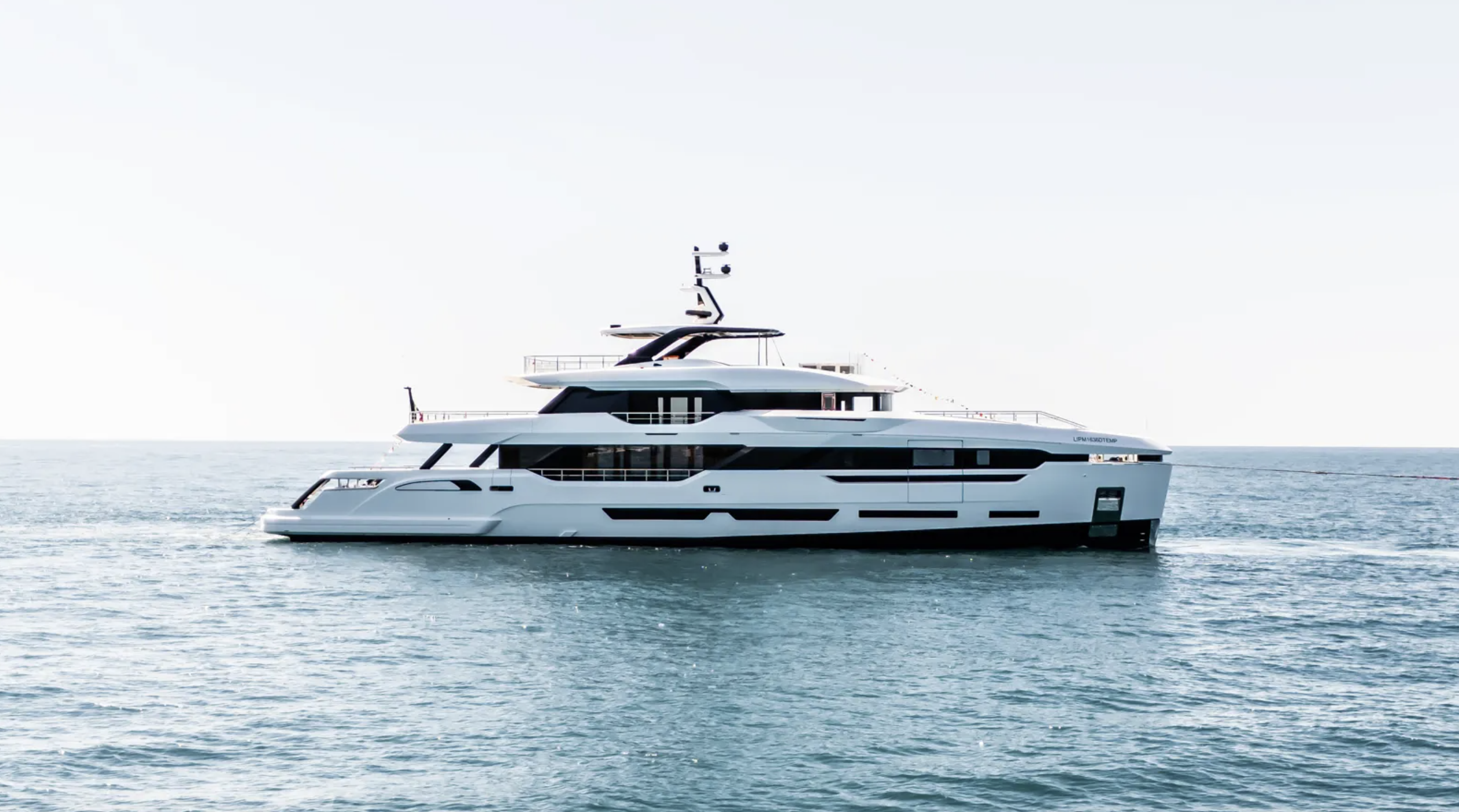
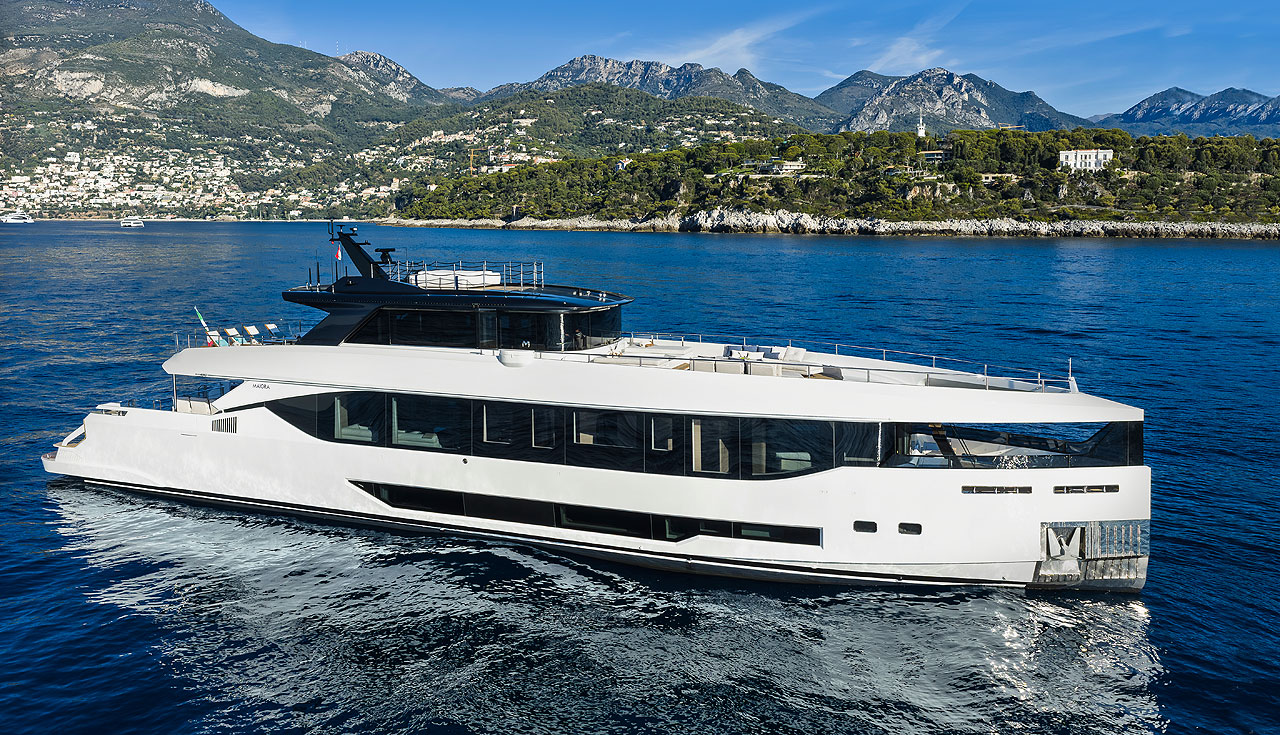
Semi-Displacement or Planing Motor Yachts – 35m to 39.9m: Angiola
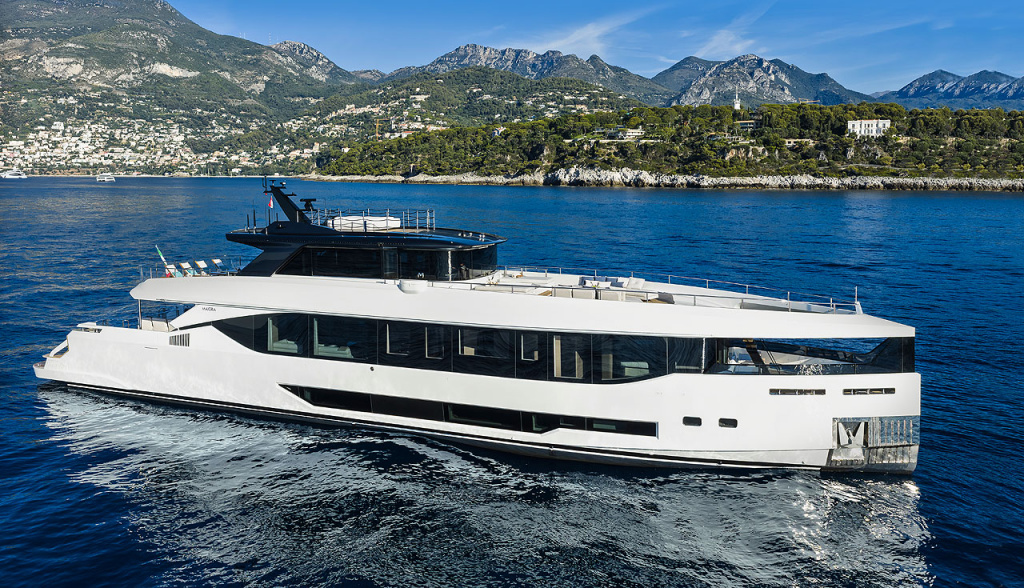
LOA: 36.9m
Builder / Naval architect: Maiora
Exterior design: Quartostile
Interior design: Acube Design
Delivered by Maiora (part of the Next Yacht Group) in 2025, the yacht was conceived as "a yacht to be lived, not merely used to move from one destination to another", says Angiola's owner. The owner envisioned a vessel that would foster a deep emotional connection with the sea while delivering comfort, performance and elegance.
The yacht's asymmetric design delivers a lot more living space than a comparably sized yacht. Powered by triple MAN 12 2000 engines and aided by waterjets, she reaches a top speed of 30.5 knots. Ease of operation, safety and well-organised crew areas were also integral to the design brief and these contribute directly to the quality of life on board.
Judges' Commendation: Lalabe
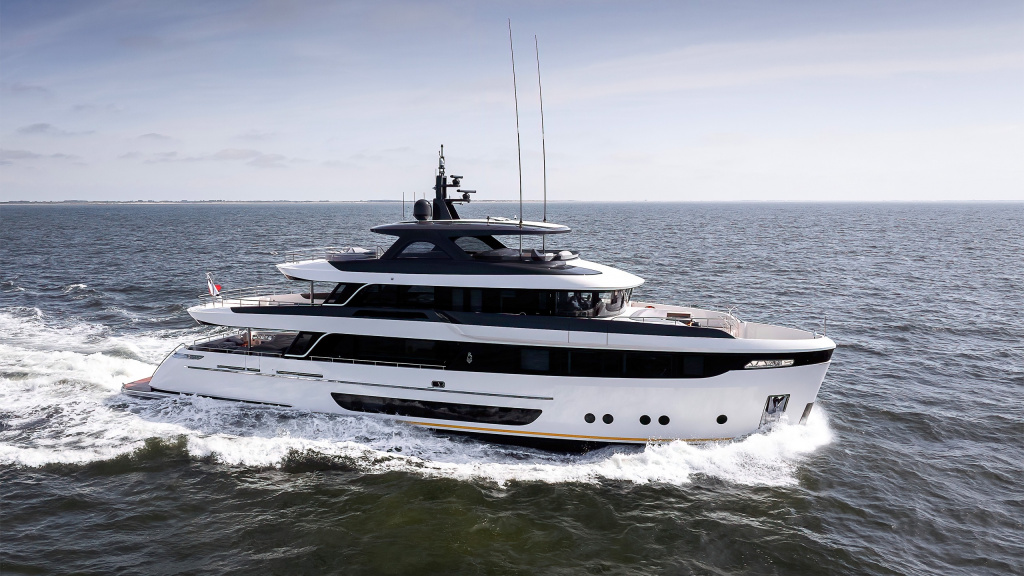
LOA: 35.31m
Builder: Van der Valk Shipyard
Naval architect: Diana Yacht Design / Ginton Naval Architects
Exterior / Interior design: Guido de Groot Design
Designed inside and out by Guido de Groot, Lalabe was created to embody the spirit of family life at sea, combining explorer yacht capabilities with a refined aesthetic. Lalabe's interior styling exudes the warmth of a beach home, with natural and organic materials like oak, stitched suede and textured laminates creating a relaxed yet sophisticated ambiance. Custom furniture blends seamlessly with loose pieces. The design emphasises strong indoor-outdoor connections, perfect for multigenerational family living.
Built to cross the Atlantic, she balances practicality and elegance, avoiding the rigid design often associated with traditional explorer yachts. The project began with a focus on the engine room and crew areas, ensuring generous space and easy access to mechanical components. Customisation was central, with her hands-on owners visiting the yard often and paying meticulous attention to technical details.
Lalabe's naval architecture, developed in collaboration by Ginton Naval Architects and Diana Yacht Design, ensures 17 knots and transatlantic range.
Semi-Displacement or Planing Motor Yachts – 40m and above: Orion
LOA: 49.8m
Builder: Heesen Yachts
Naval architect: Van Oossanen Naval Architects | Heesen Yachts
Exterior design: Omega Architects
Interior design: Cristiano Gatto Design
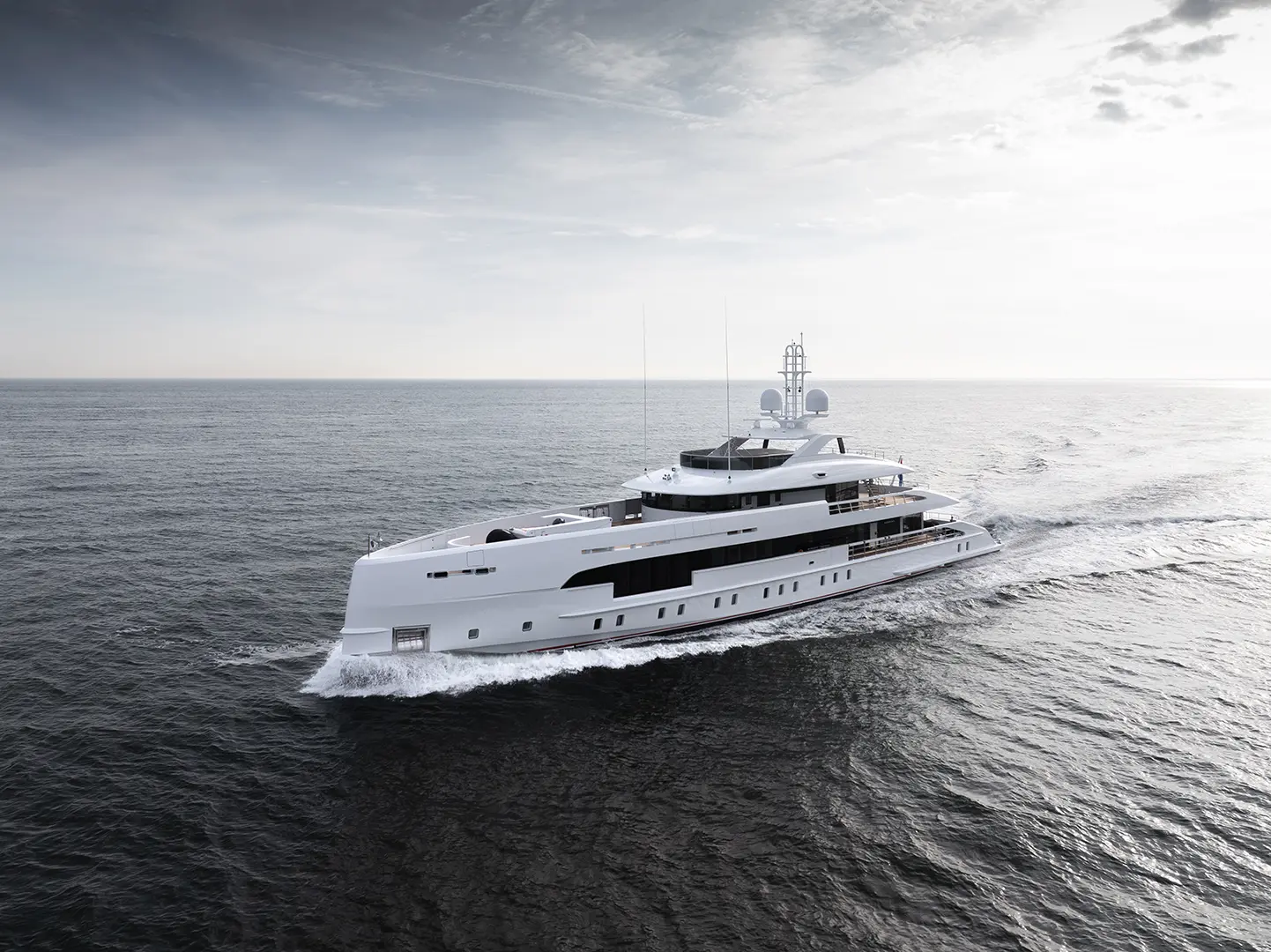
Orion represents an evolution of the Dutch builder's 50m Fast Displacement Hull Form (FDHF) aluminium class. While maintaining the hallmarks of the series, she introduces significant advancements in layout, engineering and propulsion, tailored to meet the demands of the modern owner. Built entirely of aluminium alloy on the ultra-efficient FDHF, Orion combines lightweight construction with a hybrid propulsion system, delivering exceptional fuel efficiency and near-silent cruising at low speed. Heesen's primary objective was to prove that a sub-500GT vessel could deliver the silence and utility typically reserved for larger displacement yachts. Integrating diesel-mechanic and electric propulsion, Orion is capable of cruising at 10 knots in close to total silence, with a frugal fuel consumption of just 45 litres per hour.
Other changes include moving the engine room forward to increase volume at the stern, allowing for a 26-squarem wellness centre. Unlike her predecessors, Orion has direct access from the sauna and gym to the swim platform, so guests can go from workout to water. On the sundeck, the spa tub was moved forward to increase privacy when docked stern-to. The layout and accommodation were also optimised, creating a six-cabin configuration, including a main deck master and a full-beam VIP suite on the lower deck. The addition of full-height sliding windows around the main deck dining area allows guests to enjoy fresh air while in the dining and saloon area, creating an indoor-outdoor space. Finally, Orion's equipment was upgraded to meet the latest IMO Tier III standards.
Interior design comes from Cristiano Gatto, whose design incorporated more than 37 materials, including high-gloss woods, woven leathers and Italian marbles. These are complemented by textured laminates, stitched suede and brushed metals, creating a harmonious blend of tactile quality and visual richness. Each material was chosen to balance elegance, comfort and technical precision.
Displacement Motor Yachts – 499GT and below, 30m to 39.9m: Haze²

LOA: 30.8m
Builder: Cantiere delle Marche
Naval architect / Exterior design: Hydro Tec
Interior design: Lawson Robb
The owner's vision for Haze² was to "create an explorer yacht that's genuinely robust, autonomous and comfortable – something that blends proven reliability with the latest advances in marine engineering." They wanted to honour the heritage of Cantiere delle Marche's Darwin Class, an emblem of solid, safe and efficient long-range performance, while bringing in modern design elements and technology to ease operations and add to onboard comfort.
Built for long-distance cruising in any sea state, her steel hull ensures strength, while an aluminium superstructure optimises weight. Hydro Tec's engineering prioritises hydrodynamic efficiency, energy optimisation and seamless integration of systems. Custom teak furnishings add warmth, balancing the yacht's technological sophistication. Practical innovations, such as a hidden tender crane, preserve clean lines and maximise deck space.
Inside, open-grain wood, brushed bronze, mosaic details and neutral tones create an atmosphere of refined modernity. Vibrant accents and thoughtful lighting, including sculptural pendants and indirect LED ribbons, enhance the mood. Hand-painted wallpaper, intricate ceiling work and marble detailing showcase exceptional craftsmanship, while curated art pieces and soft sienna undertones add personality and warmth.
Displacement Motor Yachts – 499GT and below, 40m to 44.9m: Andala
LOA: 40.9m
Builder / Naval architect: Baglietto
Exterior design: Stefano Vafiadis
Interior design: Cassetta Yacht Designers
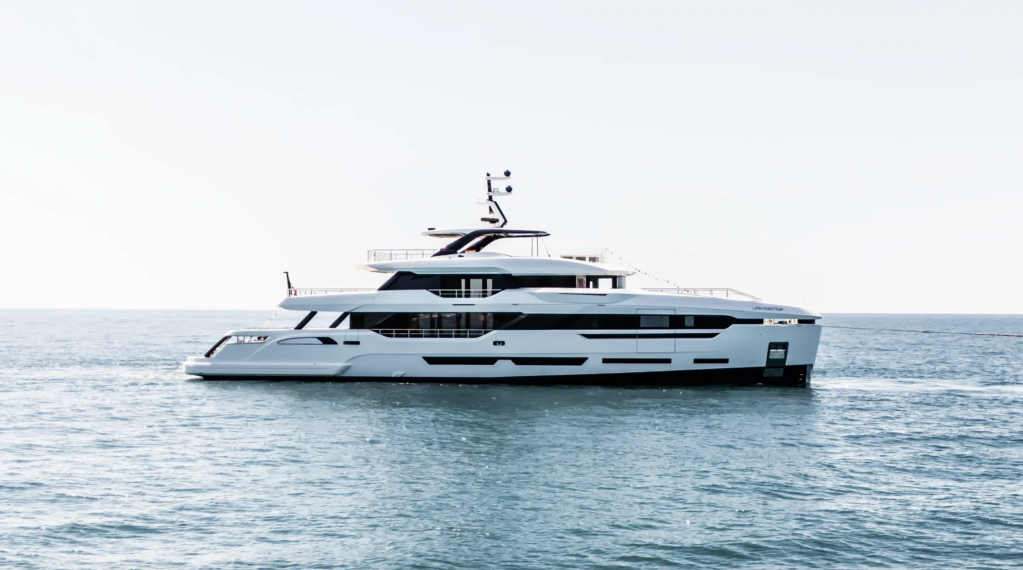
Tailored for family life and long-range cruising, Andala boasts expansive interiors with floor-to-ceiling windows, fold-down balconies and a lovely indoor-outdoor flow. Highlights include two swimming pools – one on the sundeck and another aft on the main deck – a beach club with direct sea access and a panoramic master suite.
The interior design process spanned nearly two years, resulting in a fully custom interior that eschews traditional palettes in favour of warm, sophisticated tones. Approximately 80 per cent of the finishes, from leather weaves to wood flooring, were developed exclusively for Andala. The owners' preference for symmetry and geometric precision is evident in every detail, from the carved grooves to the use of mirrors that amplify space and blur boundaries. Structural modifications enhance the functionality of life. The layout was rearranged to move the main seating area forward in the main-deck saloon, enjoying a wider and more panoramic section of the room. Meanwhile, two convertible coffee tables are set at the saloon entrance, which can convert to indoor dining for 12 if needed. Other key changes include expanding the galley space with professional appliances, a redesigned owner's suite with custom desks and enhanced wardrobe space, optimising the lower deck layout for storage and adding a concealed pantry to the cinema lounge.
Exterior areas received equal attention, with custom furniture, a travertine sundeck bar and a striking glass pool. The yacht's staircase, clad in travertine and anthracite suede, creates a dramatic focal point. Her full-displacement aluminium hull, equipped with twin Caterpillar C32 engines, provides a top speed of 17 knots and a cruising speed of 15.5 knots.
Displacement Motor Yachts – 499GT and below, 45m to 49.9m: RJ (now Parati)

LOA: 46.71m
Builder: Cantiere delle Marche
Naval architect: Pierluigi Ausonio Naval Architecture
Exterior design: Francesco Paszkowski Design
Interior design: Achille Salvagni
Commissioned by owners with a passion for contemporary art and design, RJ embodies a vision of serene minimalism and maritime excellence. The first RJ155 – and current flagship in the builder's RJ series – she is the longest yacht ever built by the yard. The owners envisioned RJ as a floating sanctuary, a retreat defined by calmness and balance. Salvagni's "soft minimalism" brings this vision to life with organic shapes, curved lines and natural materials. Light koto wood, Rosa Portogallo marble and sculptural elements create a sense of harmony, while the main saloon's ceiling, inspired by ripples in still water, adds a subtle touch of texture and interest. The result is an interior that feels warm, serene, functional – and altogether one of a kind.
Externally, RJ balances elegance and rugged capability, with Paszkowski's design merging the looks of a luxury yacht with the robust spirit of an explorer. Expansive floor-to-ceiling windows bring natural light into the interiors. The yacht's full-displacement hull, designed by Pierluigi Ausonio, ensures optimal performance and seakeeping. Extensive CFD simulations refined the hull's shape, bulbous bow and appendages, delivering smooth propulsion, stability and manoeuvrability. With a cruising speed of 10 knots and a maximum speed of 15 knots, RJ is designed to be efficient and reliable. Other key features include an extended swim platform that doubles as a beach club and ample storage for toys and equipment, supporting long-distance cruising and exploration.
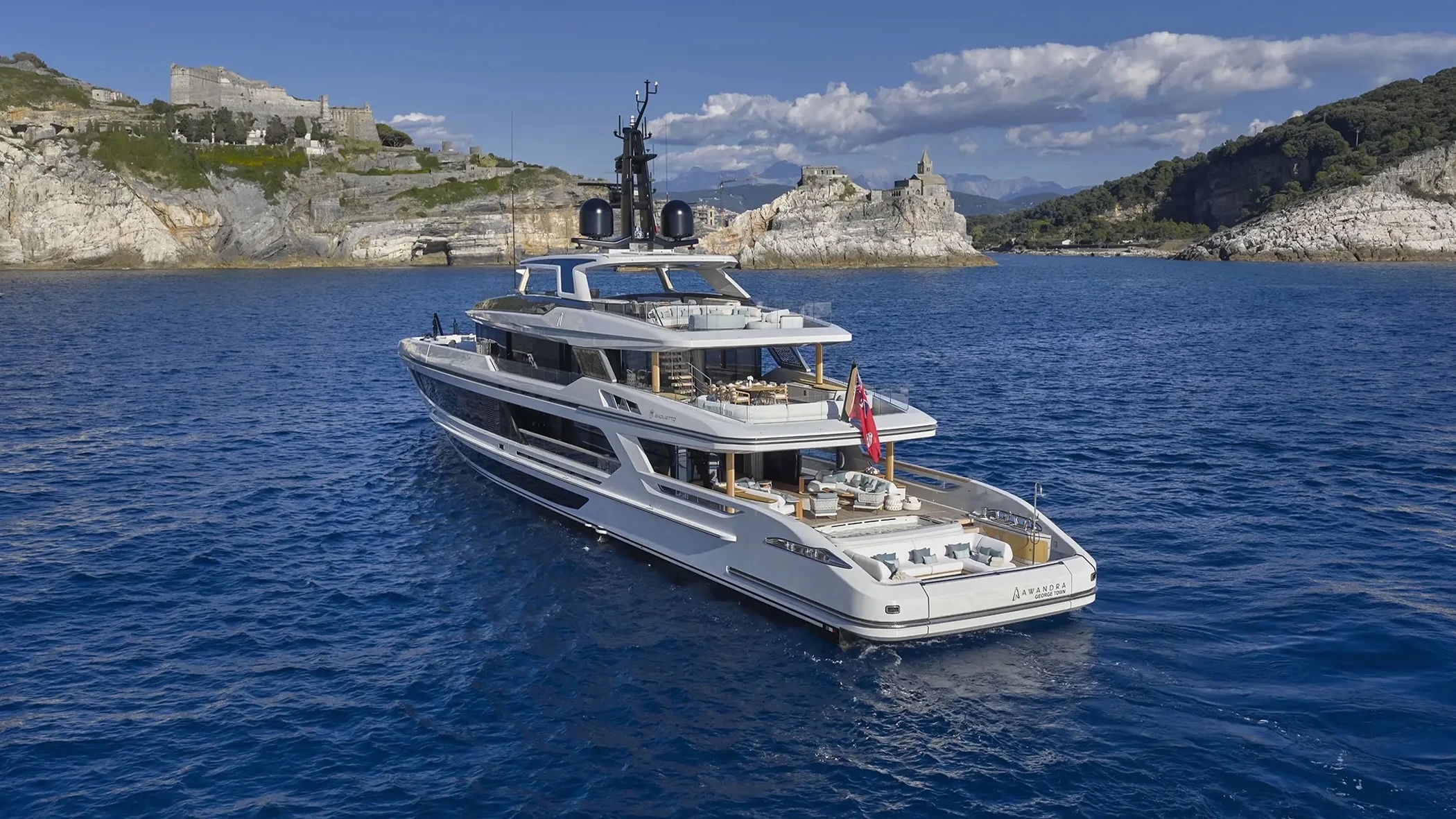
Displacement Motor Yachts – 499GT and below, 50m and above: Awandra
LOA: 52m
Builder / Naval architect: Baglietto
Exterior design: Francesco Paszkowski Design
Interior design: Francesco Paszkowski Design / Margherita Casprini
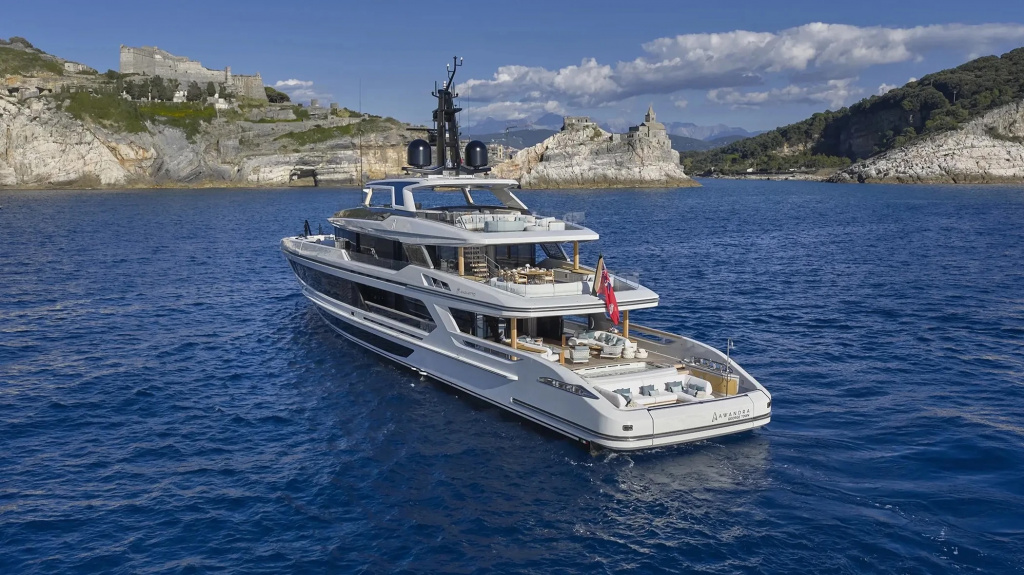
Crafted with a focus on family, sports and outdoor living, the yacht reflects the owner's vision of a contemporary yet welcoming space. Awandra distinguishes herself from previous Baglietto T52s thanks to her high level of customisation. Unlike earlier models, the yacht features a verandah-like upper deck lounge, and the reimagined adventure room replaces the traditional beach club, catering to an active lifestyle. These tailored elements reflect the owner's vision, setting Awandra apart as a unique evolution of the series.
The upper deck and sundeck feature multiple dining and conversation spaces, while innovative elements, such as retractable glass walls on the upper deck, give flexibility to the living spaces. A standout feature is the reimagined beach club, transformed into an "adventure room" to house sporting equipment like bicycles, diving gear and water skis. The yacht also features a retractable pool floor, transforming the aft deck into a versatile outdoor space.
The interiors feature unconventional geometries and meticulous craftsmanship, blending trapezoidal, pentagonal and rounded forms. Materials like teak, oak, lacquered finishes and marble are thoughtfully combined to create a refined aesthetic. Custom furniture and contrasting textures further enhance the design's originality. Crew workflow is optimised with centralised service areas, including a bright galley and dedicated pantries on both the main and upper decks.
Displacement Motor Yachts – 500GT to 1,499GT: Lady Estey
LOA: 67m
Builder / Naval architect: Benetti
Exterior design: RWD
Interior design: Sinot Yacht Architecture & Design
The second in Benetti's B.Now 67m series, Lady Estey showcases a highly personalised interior that speaks to her owner's exact needs and style. The exterior design emphasises openness and connection to the environment, featuring recessed glass cap rails, large windows and a flush foredeck with a low-profile spa pool. The Oasis Deck concept enhances flexibility at the aft deck, incorporating an infinity pool, spa pool and reflecting pool with a waterfall.
The interior design features high-gloss finishes, bold contrasts and materials such as sycamore, ebony and hand-selected marbles. Bespoke elements include metal inlays, custom boiserie and a staircase clad in Calacatta stone with a glass balustrade. Guest areas, including six main deck cabins, maintain a cohesive and consistent design approach. The owner's deck is tailored for privacy and family comfort, with a private suite, office and aft saloon. A lower deck wellness area includes a gym, spa, sauna and treatment room, while the main deck saloon flows into the Oasis Deck, creating a unified space for relaxation and interaction.
Powered by twin Caterpillar 3512E diesel engines, Lady Estey achieves a top speed of 16 knots and a cruising speed of 12 knots, supported by fuel tanks with a 110,000-litre capacity and 30,000 litres of freshwater.
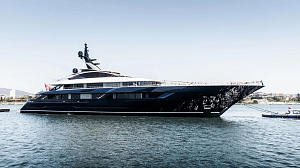
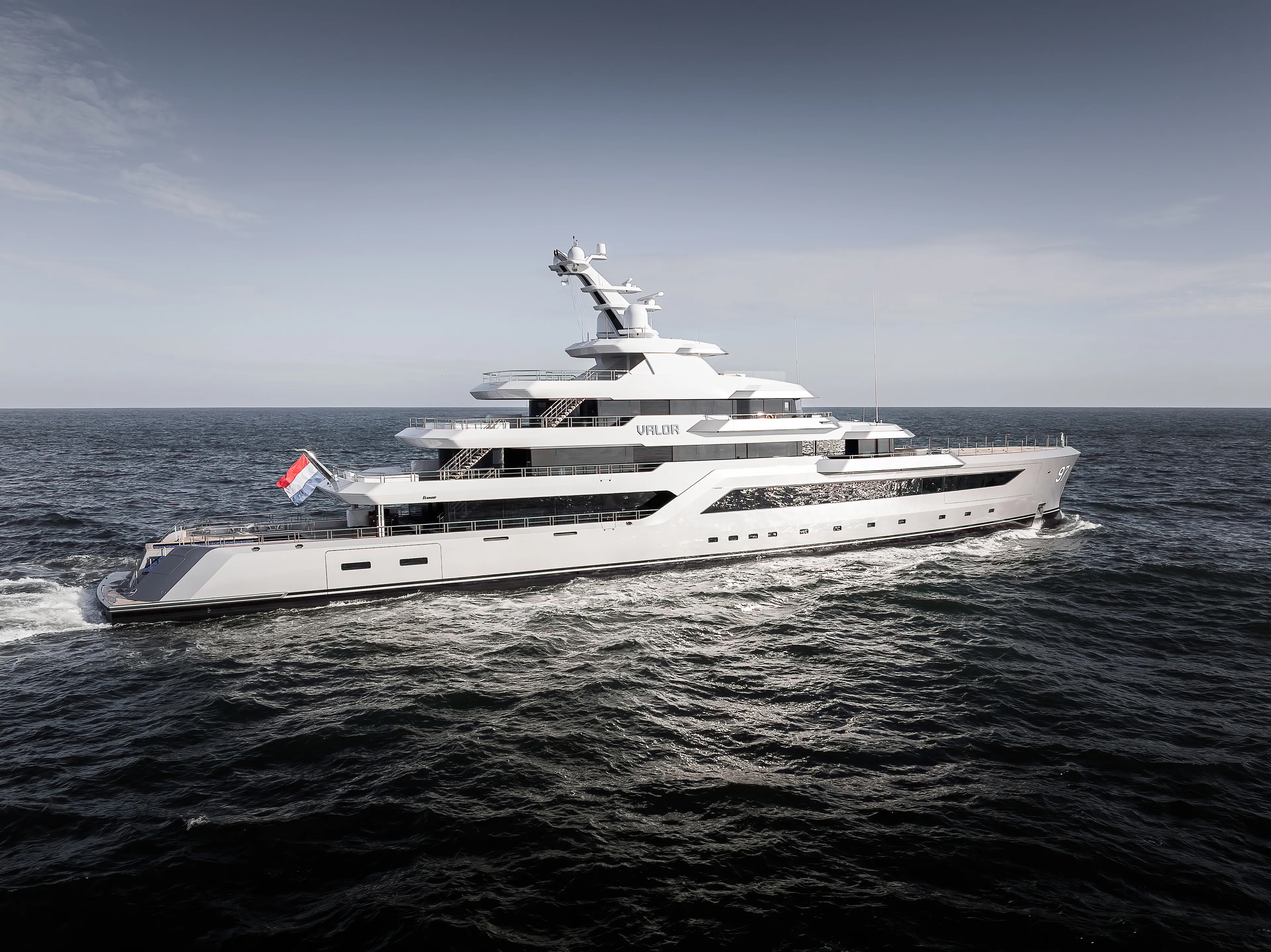
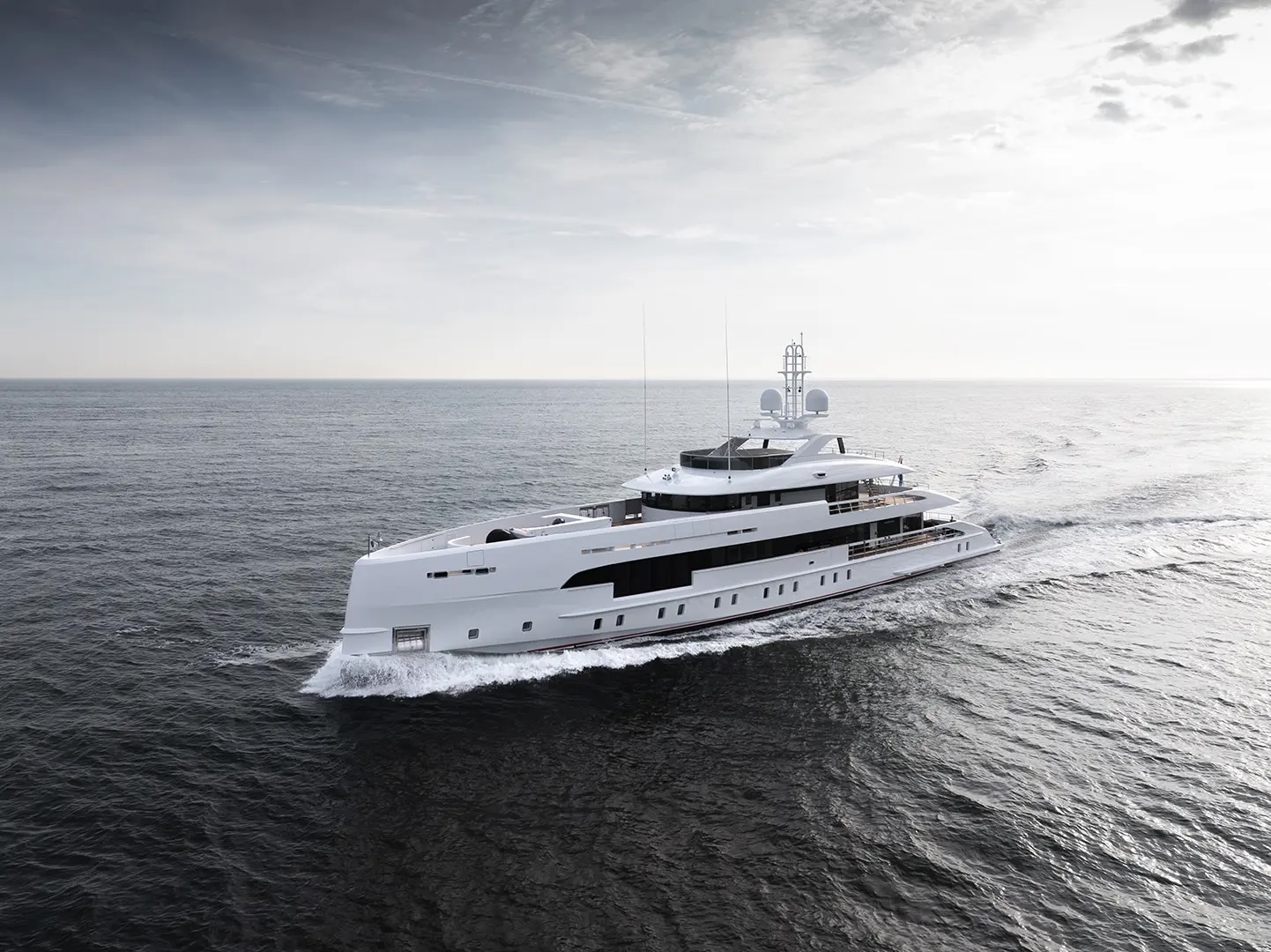
Displacement Motor Yachts – 1,500GT to 2,499GT: Valor
LOA: 79.5m
Builder: Feadship
Naval architect: Feadship De Voogt Naval Architects
Exterior design: Studio De Voogt
Interior design: Bannenberg & Rowell Design
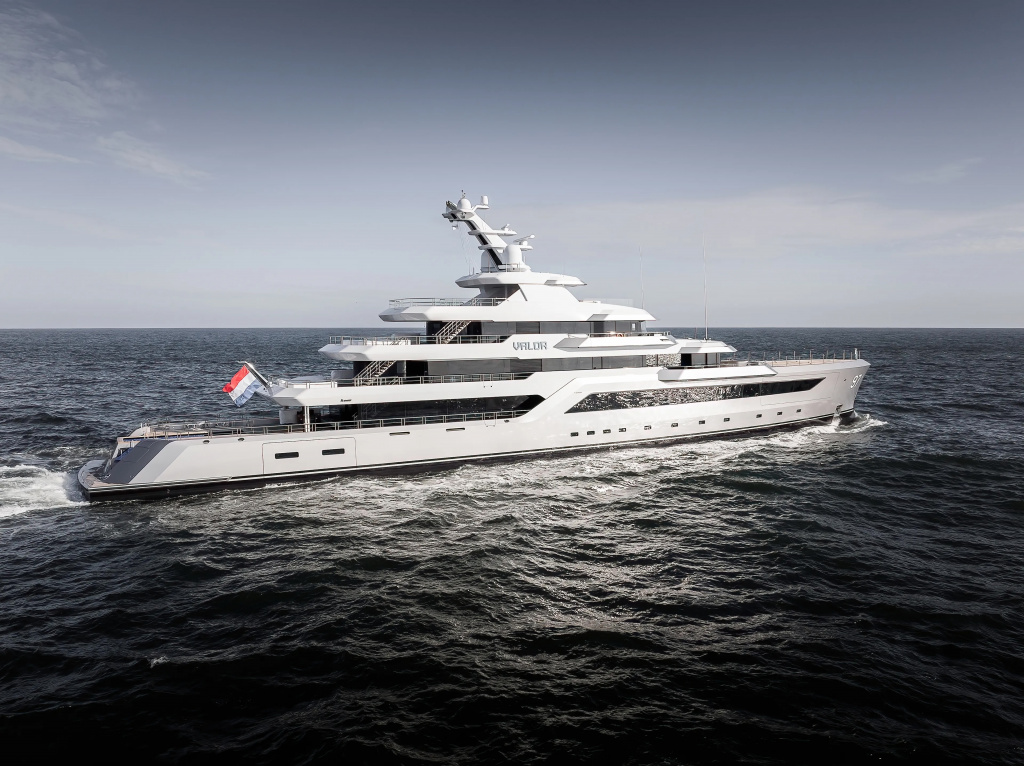
The yacht's defining exterior feature is its dreadnought bow, inspired by the owner's request for a strong hull form capable of handling heavy weather and ice conditions. Valor has Ice Class certification, can support helicopter operations and has forward tender storage. As the project evolved, the yacht's length increased to accommodate operational needs, requiring careful management of volume, mass and deck height to maintain a balanced and cohesive profile. The exterior design emphasises sharp transitions, chamfered overhangs and subtle radii, creating a dynamic interplay of light and shadow while ensuring strength and refinement. Decks are expansive and walkaround, designed for active use with a focus on guest and crew circulation, safety and integration between interior and exterior spaces. The general arrangement is also designed to delineate a clear separation of guest and crew areas. Future readiness was integral to the design, with hybrid propulsion, large battery capacity and service efficiency ensuring adaptability over time.
The interior, described by the owner as "WW2 battleship with a modern yacht twist", features a unified palette of architectural finishes and materials. Bannenberg & Rowell incorporated bespoke furniture by Pollaro, Linley and others, alongside the owner's collection of contemporary art. A standout feature is the four-deck staircase comprising more than 48,000 components in bronze, stone, oak and glass, complemented by bold marbles sourced from Italian quarries – the same marble used in Napoleon's tomb is employed here in the family lounge.
Judges' Commendation: Pangea
LOA: 80m
Builder / Naval architect: Damen Yachting
Exterior design: Espen Øino International
Interior design: Sinot Yacht Architecture & Design
Built by Damen Yachting, Pangea is the first hull in the Amels 80 series, showcasing a balance between technical reliability and creative customisation. The decision to extend the hull by five metres during the design phase allowed for a larger beach club and improved proportions, demonstrating the shipyard's adaptability and focus on client needs.
The exterior design, led by Espen Øino, showcases a straight sheer line and vertical bow that evoke classic maritime proportions. The owners' choice of a darker contrast superstructure adds a bold, modern character, making Pangea visually distinct from future sisterships. Inside, Sinot Yacht Design & Architecture created a highly liveable environment using natural materials like wood, stone and leather. Each deck is inspired by natural elements, from limestone caves to open skies, creating a cohesive and calming atmosphere.
Hybrid propulsion ensures efficient performance with reduced emissions, while advanced energy management systems optimise engine operation. The yacht's comprehensive connectivity, with 152 wireless access points, supports seamless communication and functionality.
Displacement Motor Yachts – 2,500GT to 4,999GT: Pi

LOA: 100m
Builder: Feadship
Naval architect: Feadship De Voogt Naval Architects
Exterior design: Jarkko Jämsén – Aivan
Interior design: Liaigre
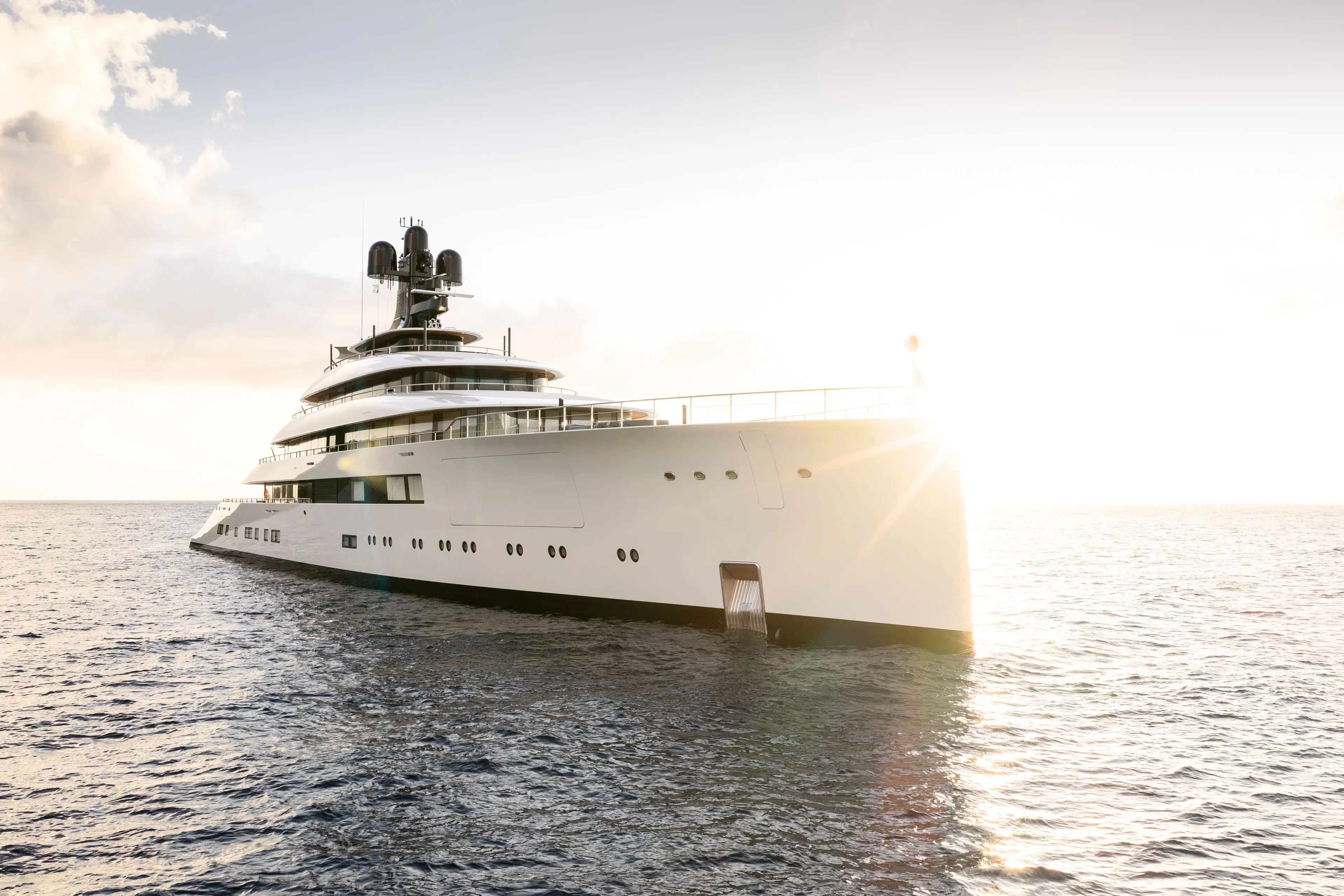
The exterior design by Jarkko Jämsén balances simplicity and proportion. The narrow bow minimises resistance, reducing bow wave and spray, while walkaround upper decks enhance movement and usability. Extensive use of curved glass, including hull-height, double-curved panels, ensures distortion-free reflections and uninterrupted visibility. Technical routing was concentrated in a central core, leaving the sides open for floor-to-ceiling windows that create a close connection with the sea.
The minimalist, slightly masculine interior is replete with dark woods on the walls, complemented by lighter woods on the floors and ceilings. A wooden bathtub that stands at the centre of the master bath is a nice touch, and the beach club was also a favourite area of the judges.
The diesel-electric propulsion system, paired with a DC grid and battery bank, ensures efficient energy management and reduced environmental impact. The single-tier engine room, an uncommon feature in yachts of this size, optimises space utilisation while simplifying maintenance and improving operational reliability. Advanced power thrusters and cutting-edge acoustic insulation contribute to an extraordinarily quiet onboard experience, even during extended cruising. Additionally, the yacht incorporates intelligent systems for remote monitoring and diagnostics.