

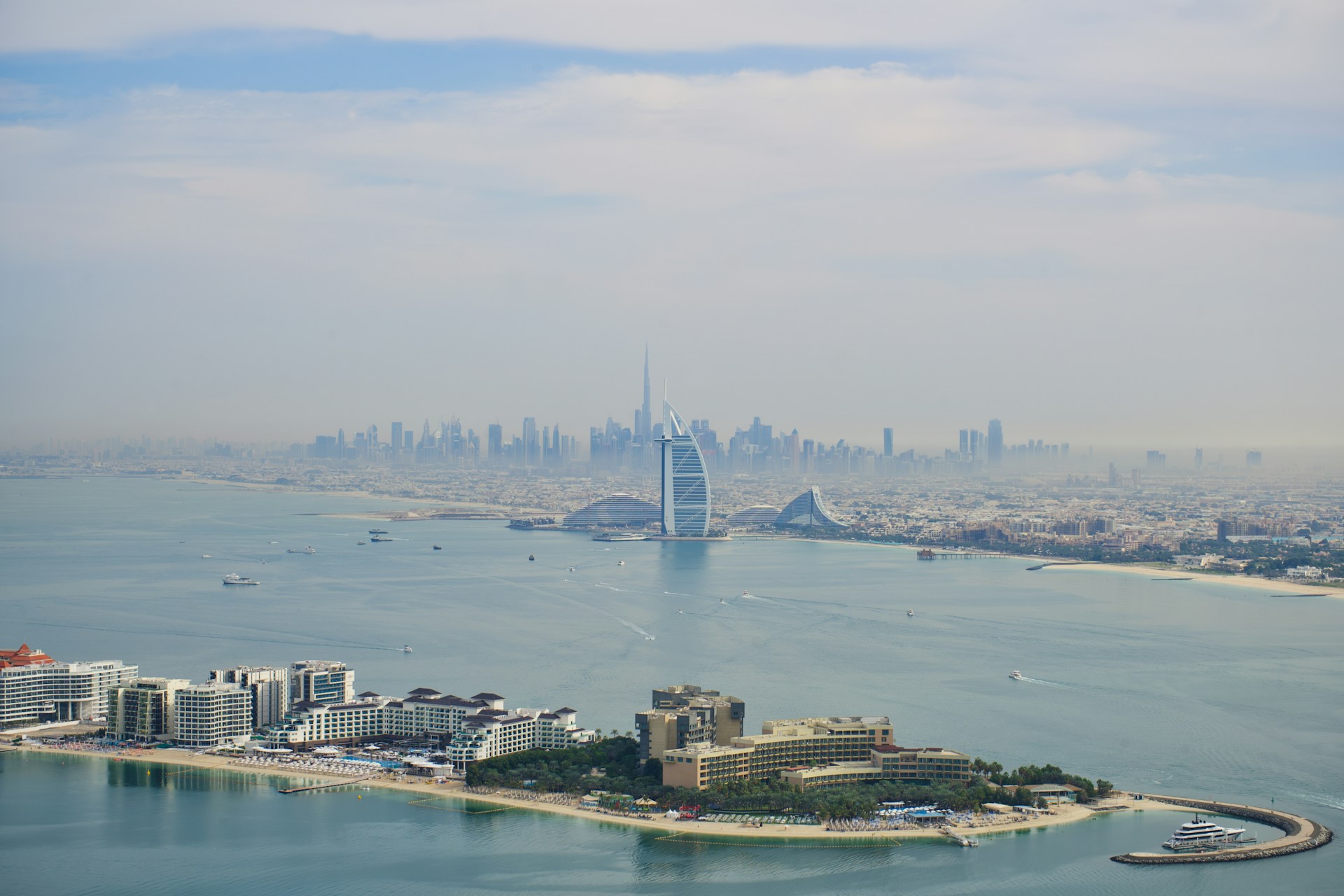
Construction of the world's largest coral reef has begun in Dubai
20,000 artificial modules will be deployed over an area of 600 sq km in three years.

News

26 november 2024
Photo: Unsplash, Mediaoffice.ae, Haejoox
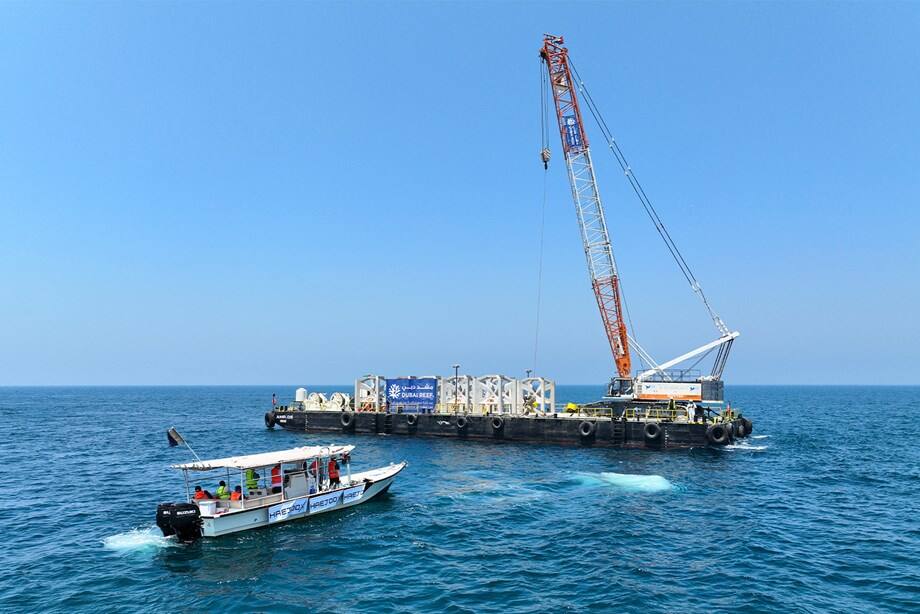
Dubai has embarked on the construction of an impressive new attraction, Dubai Reef, reports the Dubai government media office. In the coastal waters of the emirate, the first phase will see the installation of 1,000 reef modules designed to provide food and shelter for fish and other marine life.
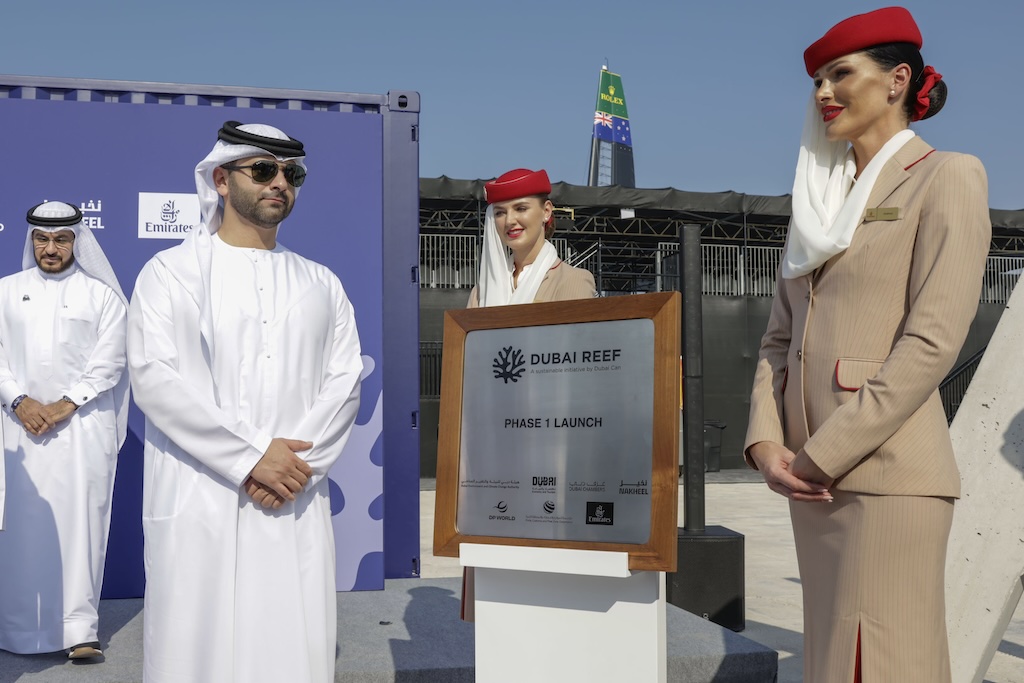
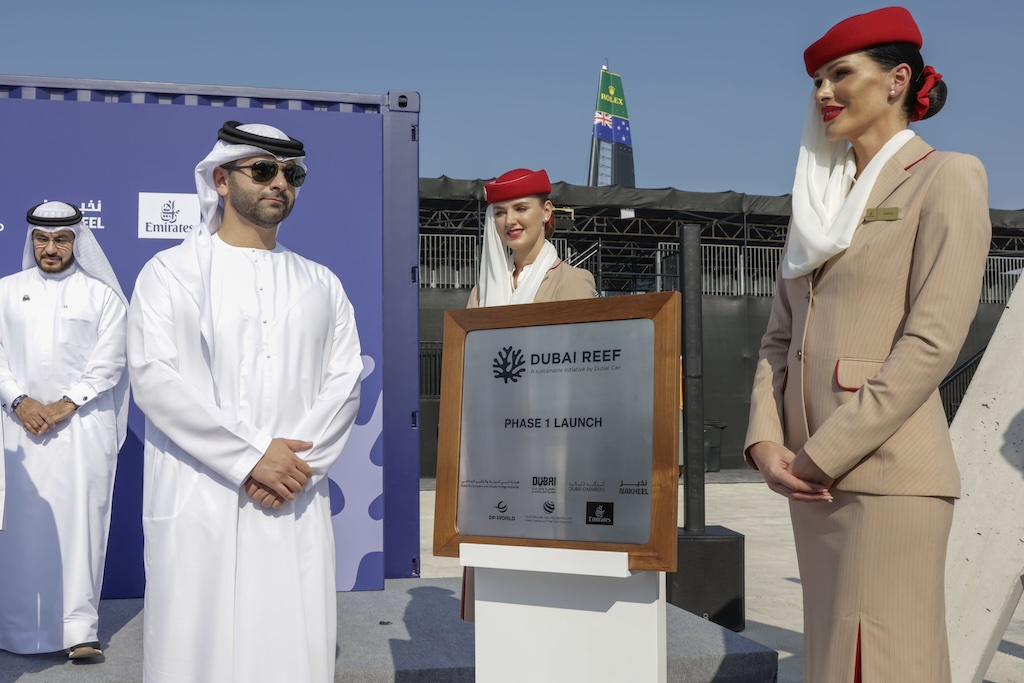
His Highness Sheikh Mansoor bin Mohammed bin Rashid Al Maktoum, Chairman of the Dubai Sports Council, during the landmark launch of DUBAI REEF’s phase one
This initiative aims to restore the marine ecosystem and kickstart the growth of ecotourism in Dubai. Over the next three years, a total of 20,000 reef modules will be deployed across an area of 600 square kilometres to form a foundation for the future marine environment.
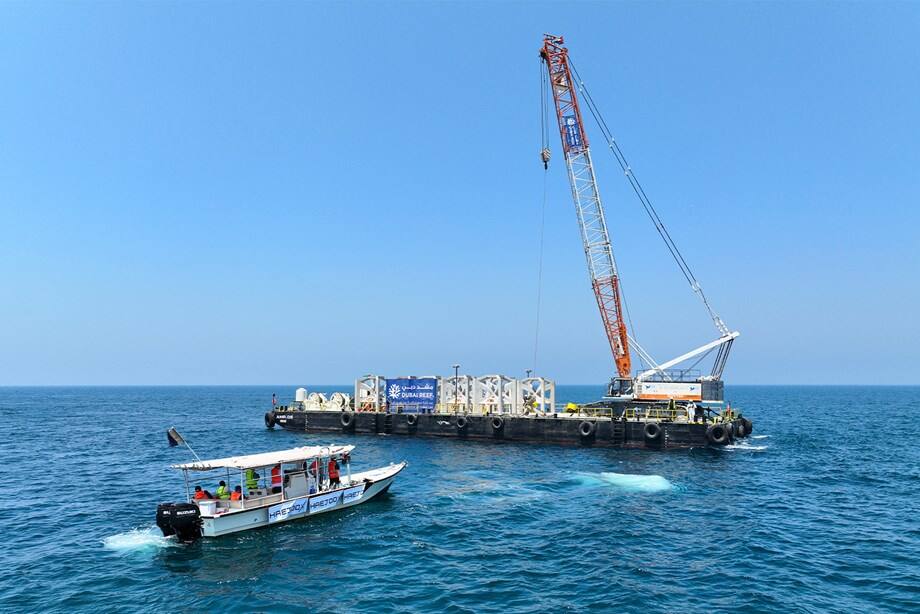
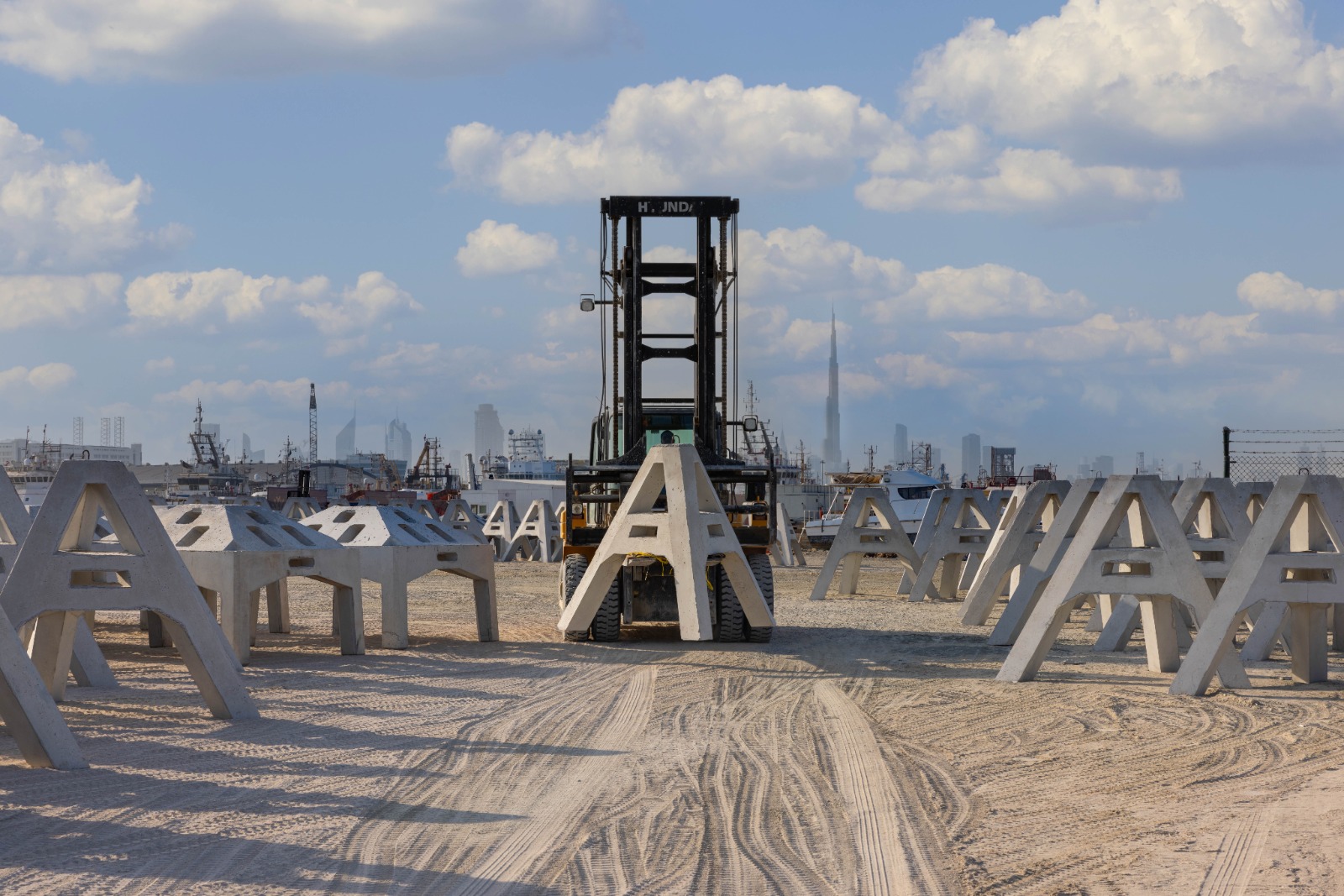
Over the project’s rollout, more than six different module types will be deployed at various depths across clusters in Dubai’s waters. Varying in dimensions to establish a vibrant marine habitat for reef fish and aquatic fauna such as hard and soft corals, sea anemones, sponges, and molluscs, the modules range from 1.65 meters to 6.5 meters in height and are deployed in depths of 18 meters to more than 25 meters. The modules deployed in Dubai are purpose-built and are placed on the seabed. They are designed to promote marine life, increase biodiversity, and enhance biological productivity.
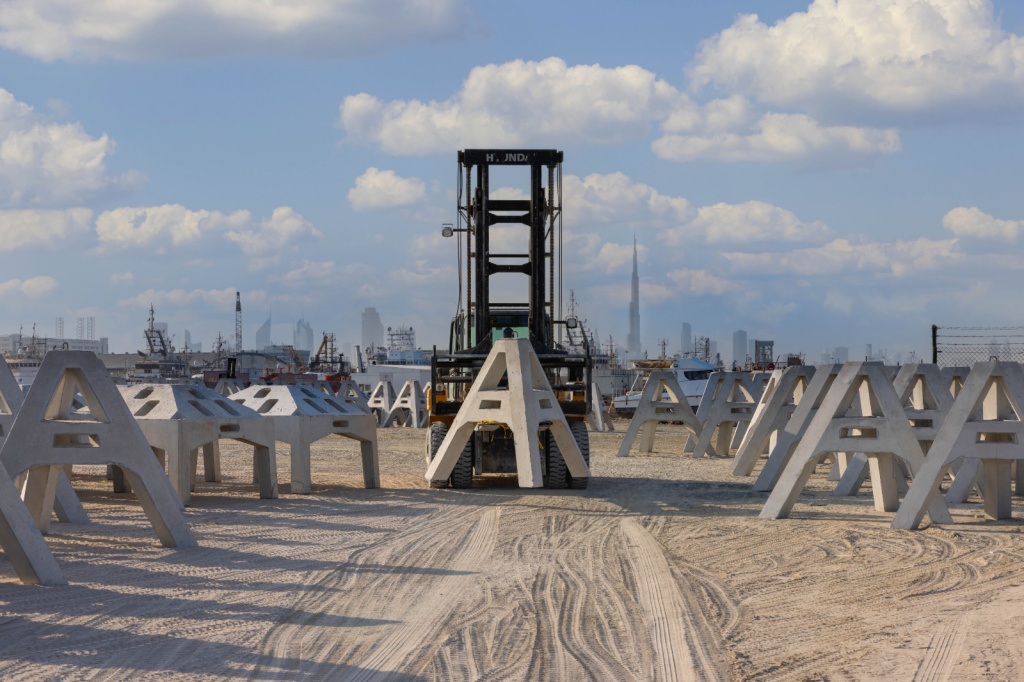
The first three modules, unveiled at the Phase 1 launch ceremony, are Fish Cube, Reef Shade, and Arab Marine Pyramid. The Fish Cube is a 10-tonne structure with an internal volume of 32 cubic meters. The Reef Shade weighs 2.4 tonnes and is designed to support coral growth and the populations of bottom-dwelling fish, including grouper and snapper. The Arab Marine Pyramid weighs 1.5 tonnes and will create a habitat typical of coral reef ecosystems.
The ‘Reef Shade’, ‘Arab Marine Pyramid’, ‘X-Reef’, and ‘Fish Cube’ module types are fabricated using sustainable concrete and steel, while the two largest types, the ‘Fish Cave’ and ‘Ocean Castle’, are fabricated solely from steel. Providing ecological benefits to Dubai’s marine environment and adhering to sustainability and environmentally-friendly practices, the materials used to fabricate the modules ensure durability and are designed to last more than 100 years.
His Highness Sheikh Mansoor bin Mohammed bin Rashid Al Maktoum, Chairman of the Dubai Sports Council, during the landmark launch of DUBAI REEF’s phase one
This initiative aims to restore the marine ecosystem and kickstart the growth of ecotourism in Dubai. Over the next three years, a total of 20,000 reef modules will be deployed across an area of 600 square kilometres to form a foundation for the future marine environment.
Over the project’s rollout, more than six different module types will be deployed at various depths across clusters in Dubai’s waters. Varying in dimensions to establish a vibrant marine habitat for reef fish and aquatic fauna such as hard and soft corals, sea anemones, sponges, and molluscs, the modules range from 1.65 meters to 6.5 meters in height and are deployed in depths of 18 meters to more than 25 meters. The modules deployed in Dubai are purpose-built and are placed on the seabed. They are designed to promote marine life, increase biodiversity, and enhance biological productivity.
The first three modules, unveiled at the Phase 1 launch ceremony, are Fish Cube, Reef Shade, and Arab Marine Pyramid. The Fish Cube is a 10-tonne structure with an internal volume of 32 cubic meters. The Reef Shade weighs 2.4 tonnes and is designed to support coral growth and the populations of bottom-dwelling fish, including grouper and snapper. The Arab Marine Pyramid weighs 1.5 tonnes and will create a habitat typical of coral reef ecosystems.
The ‘Reef Shade’, ‘Arab Marine Pyramid’, ‘X-Reef’, and ‘Fish Cube’ module types are fabricated using sustainable concrete and steel, while the two largest types, the ‘Fish Cave’ and ‘Ocean Castle’, are fabricated solely from steel. Providing ecological benefits to Dubai’s marine environment and adhering to sustainability and environmentally-friendly practices, the materials used to fabricate the modules ensure durability and are designed to last more than 100 years.

Review
The Dutch go big
Dutch shipyards are setting new benchmarks in the world of superyachts, unveiling not just a single showstopping vessel but entire fleets of...

News
Custom 50m explorer from JFA has been launched
The hybrid research superyacht is designed for global cruising.
News
Slow Ride: the 1st Bering 78
Bering Yachts launched the 1st hull of a 23m 'pocket' explorer project.

News
Smart buoys, not anchor: new mooring rules in Göcek
Starting in 2026, you are not allowed to drop anchor wherever you like in Göcek. Instead, nearly 200 paid mooring buoys have already been...