

Diving Into Paradise


Palau, an archipelago of 328 lush islands surrounded by the vast Pacific Ocean, is hailed as one of the best diving destinations in the world. Even with just a snorkel, you can immerse yourself in its breathtaking underwater wonders. It’s a place where vibrant colors, adrenaline-filled adventures, and astonishing encounters with marine life await.
Known as the gateway to Micronesia, Palau is relatively close to the Philippines, Indonesia, Papua New Guinea, and Guam. However, “close” doesn’t necessarily mean accessible. The government has actively restricted mass tourism while encouraging VIP travel. A decade ago, 80% of Palau’s waters—covering an impressive 600,000 square kilometers—were closed to fishing and industrial activities. The remaining 20% is reserved for sustainable fishing practices by local residents. Around the same time, flight routes were reduced, and the focus shifted to building luxury five-star resorts.

Visitors to Palau are required to sign a pledge upon arrival—not in blood, thankfully, though the country’s progressive approach to global trends (like its digital residency program) makes it feel like anything is possible. The pledge is beautifully written, evoking both emotion and a sense of duty:
"Children of Palau, I take this pledge as your guest to preserve and protect your beautiful and unique island home. I vow to tread lightly, act kindly, and explore mindfully. I will not take what is not given to me. I will not harm what does not harm me. The only footprints I shall leave are those that will wash away."
Palau’s strict regulations might make Singapore feel like a playground for anarchists. Among the simplest rules: do not feed, touch, or disturb marine life; sunscreen harmful to the ocean is prohibited; and jet skis are banned. If you want to explore the waters, grab a paddle and hop into a kayak. Palau is a realm of relaxation, where stand-up paddleboarding replaces speed.

These measures have resulted in limited tourist numbers—just 35,000 visitors last year—but they’ve created an ecological paradise. Palau boasts one of the largest populations of coral, fish, marine mammals, and other oceanic wonders. Its crystal-clear waters and stunning underwater landscapes offer visibility so perfect that diving feels like entering an aquarium.
Legendary marine biologist Jacques Cousteau himself declared Palau a true Eldorado for ocean enthusiasts. The waters are home to around 1,500 species of fish, over 700 types of coral, and countless other fascinating creatures, from giant manta rays and nautiluses to tiny nudibranchs. Sharks dominate the waters—25 species, to be exact—and many visitors come specifically to see them. Schools of humphead parrotfish graze on the corals, while triggerfish dart between them. Every dive surrounds you with swarms of fish and vibrant corals in every color imaginable.

A typical dive might look like this: just as you finish admiring reef sharks, a school of striped barracudas appears beside you, followed by a massive Napoleon wrasse and a group of canary-yellow and white pyramid butterflyfish, seemingly unfazed by the presence of predators.
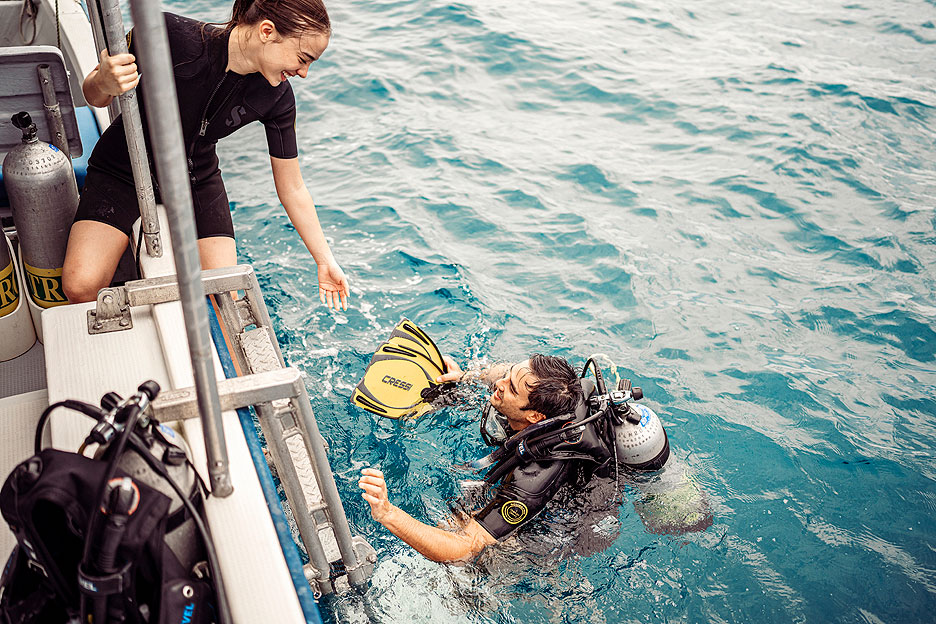
Palau offers diving opportunities for all skill levels. Beginners can safely explore shallow reefs, while experienced divers can discover sunken ships from World War II and venture into deep caves. Drift dives along reef walls covered in soft coral carpets, gorgonians, and anemones are particularly impressive.
Blue Corner
Самый знаменитый дайв-сайт Палау и один из лучших в мире. Вертикальная стенка уходит на глубину 120 м, где превращается в пологий склон. Вы сможете встретиться лицом к лицу с акулами, барракудами, черепахами и другими морскими обитателями. Тут довольно сильные течения, поэтому рекомендуется иметь опыт дайвинга в подобных условиях.

Blue Corner
Palau’s most famous dive site and one of the best in the world. A vertical wall plunges 120 meters before transitioning into a gentle slope. Here, you can encounter sharks, barracudas, turtles, and other marine life face-to-face. Strong currents make this site suitable for experienced divers only.
Blue Hole
Near Blue Corner are four shafts in the reef, leading to a massive underwater cavern at a depth of about 18 meters. The ultimate experience is to follow the underwater route from Blue Hole to Blue Corner—or vice versa.
German Channel
A channel dug by Germans in the early 20th century through shallow reefs stretches between the islands of Ngemelis and Ngercheu. Today, it’s a magnet for turtles and manta rays that live here year-round. You can watch graceful rays feeding on plankton as they glide through the water.

Rock Islands
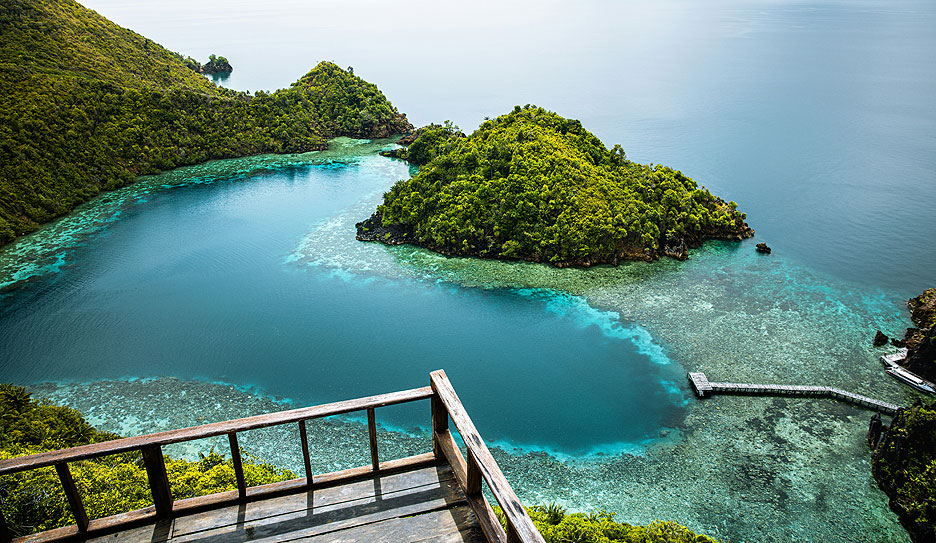
This group of small, uninhabited islands resembles mushrooms and moss growing out of the water when viewed from afar. It’s one of the most photographed locations in Palau and a UNESCO World Heritage Site. Here, you can discover secret lagoons and secluded beaches, where you’ll feel like a true Robinson Crusoe. The turquoise waters of the Milk Lagoon are simply enchanting. A dip here not only refreshes you but pampers your skin with healing white mud, leaving it soft and glowing.
There is also an underwater cave system with beautiful stalactites and stalagmites. The light, coming from overhead holes, creates stunning visuals.

Swimming with Nautiluses
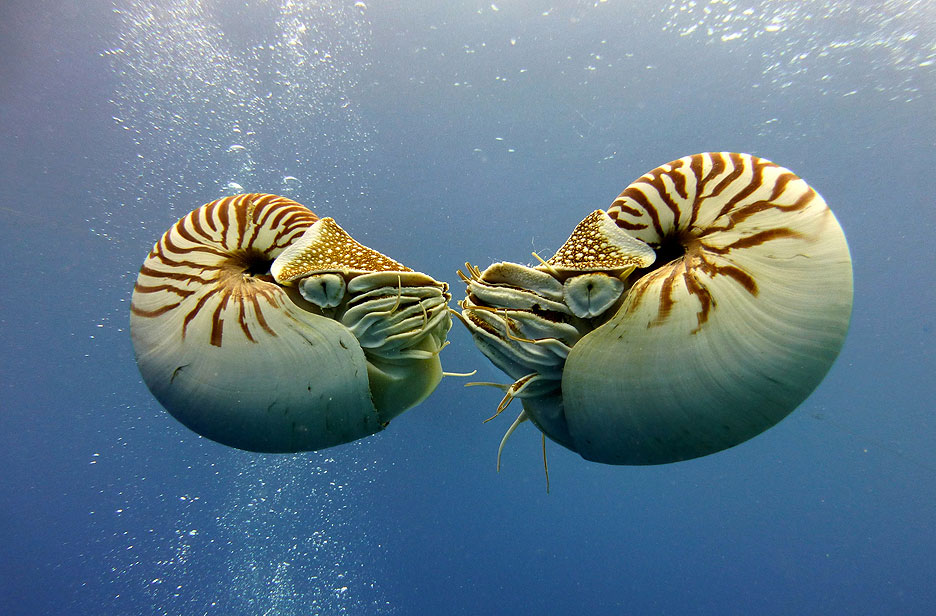
In these waters, you’ll find a special species of nautilus—the Palauan nautilus—with a beautiful cream-and-brown patterned shell measuring up to 30 cm. You can swim alongside these creatures in deep-water recreation areas.
Jellyfish Lake
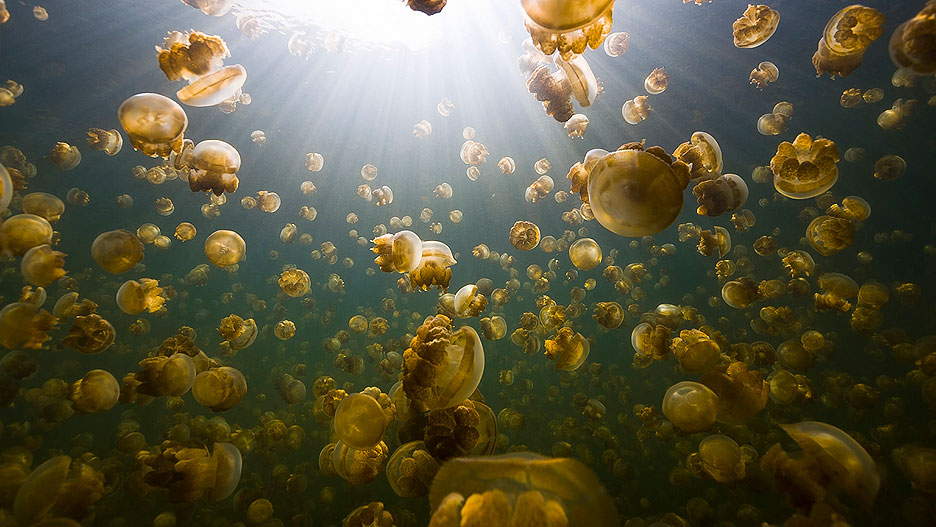
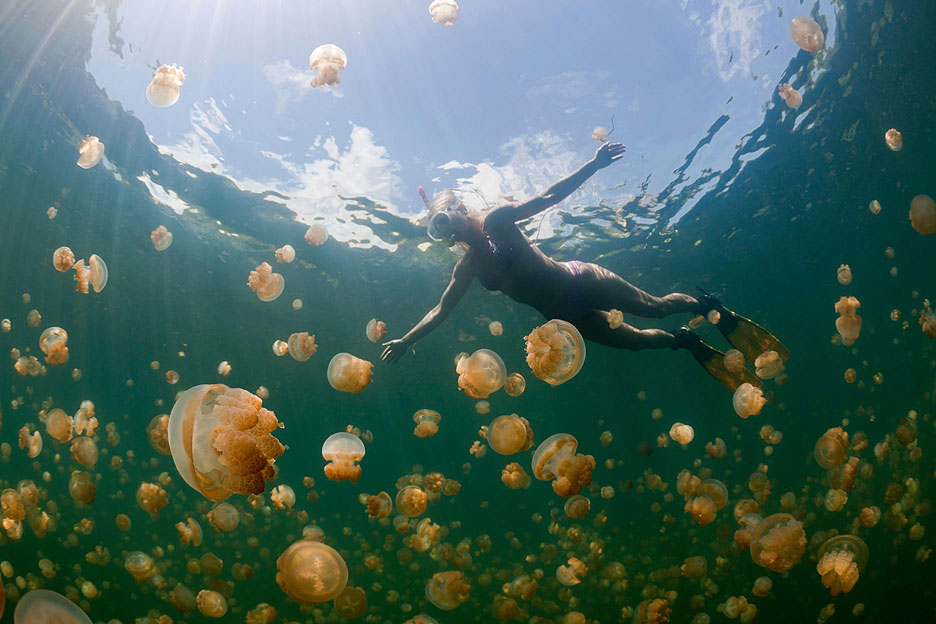
On the eastern side of Eil Malk Island lies the unique Jellyfish Lake, separated from the ocean by a 200-meter strip of land. It’s home to millions of jellyfish of two species: golden and moon jellyfish. Swimming in the lake is an unforgettable experience, akin to traveling to another planet. At first, it may seem like there’s no life around you, as jellyfish gather closer to the center of the lake, where the sunlight is strongest. Swim toward the center, and suddenly, magic unfolds: countless jellyfish pulse gently around you as sunlight filters through the water.

Echoes of War
During World War II, the archipelago was the site of fierce battles between American and Japanese naval forces. Today, the ocean floor is littered with sunken ships and downed planes, some at shallow depths. These wrecks are not polished tourist attractions; instead, they offer a raw and emotional connection to history and human tragedy.
The 50-meter cargo ship Iro-Maru rests at a depth of 40 meters, just a 10-minute swim south of Koror. Its three masts and gun turrets, located at the bow and stern, have become home to countless invertebrates and are now covered in hard corals. The upper deck lies at a depth of 27 meters, and the open holds reveal barrels of oil and various equipment.
Near Anguar Island, at a depth of 80 meters, lie the wreckage of the American minesweeper Perry. In 1944, after striking a Japanese mine, its own stockpile of anti-submarine mines detonated, tearing the ship in half.

Jungles and Waterfalls
Palau isn’t just about diving—it’s also an incredibly beautiful country with picturesque islands covered in dense tropical forests, pristine white beaches, and crystal-clear lagoons. After diving, you can embark on a tour, paddle a kayak, or simply relax on the beach, soaking in the peace and tranquility.
Here, you can explore remnants of Japanese fortifications from World War II scattered across the archipelago, marvel at the ancient stone megaliths of Badrulchau dating back to the 2nd century CE, or admire the cave paintings on Ulong Island.
Palau is home to numerous stunning waterfalls and caves waiting to be discovered. Ngardmau Waterfall is truly a gem! Located on Babeldaob Island, it’s surrounded by lush tropical jungle. If you plan to visit, make sure to wear comfortable shoes with non-slip soles, as you’ll need to navigate through thick vegetation. But trust me, once you see the water crashing down from the cliffs, you’ll know the effort was absolutely worth it.
Additionally, you can simply unwind on Palau’s clean, uncrowded beaches, with soft white sand and crystal-clear waters. It’s the perfect destination for anyone looking to escape the hustle and bustle and enjoy serenity and calm.

Four Seasons Explorer
The floating hotel Four Seasons Explorer offers the most luxurious way to explore multiple islands at once. This three-deck, 39-meter catamaran with 11 cabin-style rooms once cruised the Maldives but relocated to Palau in October 2023. Thanks to its shallow draft (just 1.9 meters), the yacht can reach places inaccessible to larger vessels.
Onboard, the PADI dive center provides expert guidance from multilingual instructors, modern equipment, professional underwater videography services, and specially designed boats for diving and excursions. Divers can enjoy three dives a day, guided snorkeling, and freediving.
On land, the programs include jungle trekking, visits to untouched beaches, and immersions into local culture, scientific projects, and tribal dances. Guests also have the option to charter the Four Seasons Explorer entirely for a private cruise with friends. Such groups can accommodate up to 22 people.

Palau Pacific Resort
Located in the capital city of Koror, this hotel boasts its own spa center, private beach, and, most notably, a PADI 5 Star diving center. The property also features two tennis courts, offering guests the perfect opportunity to take a break from ocean adventures and enjoy a few sets.
Palau Sunrise
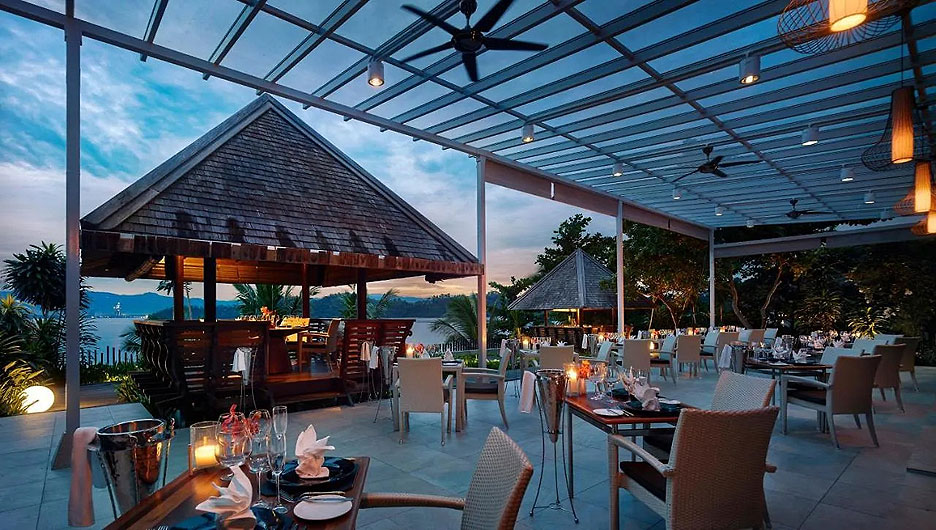
Last year, a five-star hotel opened on the eastern side of the main island, featuring 59 modern rooms and 14 villas. Built on an elevated site, the ocean views from the rooms and the infinity pool are absolutely stunning. The hotel has two restaurants: Star Light, offering a menu with dishes from around the world, and Moonshadow, the only restaurant in Palau serving Cantonese cuisine.

Raja Ampat Archipelago
Nestled in the heart of Indonesia’s Coral Triangle, the Raja Ampat Archipelago is a renowned destination unspoiled by mass tourism. Here, visitors can not only dive but also explore winding bays by kayak or boat, paddleboard through caves, navigate rivers surrounded by jungles, or challenge the waves and wind.
From Pinisi to Phinisi
Due to its remoteness, the Raja Ampat islands (translated as “Four Kings”) are celebrated as a haven for diving and snorkeling, where overcrowding is still unheard of. Covering over 40,000 square kilometers of sea and land, the archipelago is the largest marine national park in all of Indonesia.

To be honest, the five-hour flight from Jakarta to Sorong, the capital of Southwest Papua Province, can be quite exhausting. During the journey, you’ll cross into a new time zone, which gives a slight sense of déjà vu. The temperature, however, remains constant — a steady +33°C, typical of the equatorial region.
Upon arriving in Sorong — an oil-driven metropolis that has been growing rapidly for the past 50 years, like bamboo in the rain — travelers can head straight from the port to the coveted islands, most of which remain uninhabited.
For those looking to charter a boat, there’s a wide range of options: from modern phinisi yachts to historical pinisi boats. These traditional vessels were used by the ancestors of modern Austronesians as they migrated from present-day Vietnam to settle across the islands. Structurally, pinisi boats resemble the Arabian dhows found in the UAE or Oman, while their sail rigging is reminiscent of European schooners.
The history of these boats dates back to the 14th century. In their traditional form, pinisi boats measure 30–35 meters in length, though modern adaptations with metal or composite hulls can be significantly larger.

Take a local captain on board — despite the serene views surrounding you, the currents in this region are treacherous, and hitting the reefs is easier than you might think. How long should you charter a yacht? A diving safari typically lasts a week, but by the final day, you’ll likely feel that it wasn’t quite enough. If you have the time, don’t limit yourself — opt for 8–10 days to truly immerse yourself in the experience.
The administrative center of the archipelago, Waigeo Island with its capital Waisai, combines all the essential attributes of a modern city and trade hub. Don’t rush to leave the largest of the islands and head out to sea — there’s plenty to explore here as well.
The Kali Biru River, located near the village of Warsambin, is truly unique. Flowing through the jungle, this crystal-clear turquoise stream gets its vibrant color from mountain springs. With depths ranging from two to four meters, you can dive from the shore into the cool, shimmering water that glows like crystal. Then, lie on your back, float downstream, and take in the dense jungle lining the riverbanks.

The northern part of Waigeo is the best spot for surfing across the entire archipelago, with ideal conditions from September to March. In Kabui Bay, you absolutely must try riding the waves on a wakeboard. The islands most popular among divers — Kri, Misokon, and Misool — are about an hour away by tender boat. Traveling between the islands is quick but requires care: boats ferrying tourists from hotels to coral reefs greet fishing vessels, while yachts of various sizes carefully anchor in secluded bays. Most hotels welcome guests around the clock, blending a laid-back barefoot lifestyle with strict adherence to environmental protection standards.
Misool is the most remote part of the archipelago and one of its most breathtaking destinations. There are no roads, and connections between coastal villages are entirely water-based. While Palau has a single lake with harmless jellyfish, Misool boasts several such lakes. In the Tomolol area, limestone cliffs resembling Buddhist stupas rise dramatically from the water, earning the nickname “Thousand Temples.” Sailing through this area feels like a slalom course, but the abundance of small islands means there’s always a calm anchorage to be found, even in windy weather. Wakeboarding here is a must-try, and the viewpoint in Misool is considered one of the finest in Raja Ampat.

Karst limestone is known for its porosity, which often leads to landscapes riddled with caves. The Misool region is no exception. Perhaps the most stunning of these caves is Tomolol. It cuts through a towering cliff, and under its arches, adorned with clusters of breathtaking stalactites, you can paddle through on a SUP board. Be sure to bring a good flashlight to fully appreciate the stalactite "chandeliers."
Speaking of Raja Ampat as a whole, it is a vast marine reserve where an entry fee is charged as early as Sorong, and strict rules must be followed. However, these rules are not as stringent as, for example, in Palau. Catching protected species is prohibited (you won’t be served lobster in any restaurant within the reserve’s waters, no matter how much you’re willing to pay), and stepping on coral—whether soft fields or hard reefs—is an expensive mistake. Even the friendliest local diver—who just moments ago was winking conspiratorially while showing you a one-and-a-half-meter turtle—will instantly turn hostile over such behavior. That said, special fishing tours in permitted areas are available, and the local tuna can challenge even the most seasoned anglers.

In general, there aren’t many restrictions, but the ones in place must not be broken. For example, the five-star Wai resort on the island of the same name offers not only a tropical Michelin-level dining experience, snorkeling at its house reef that hugs a two-kilometer stretch of pristine white sand, and a night in historically authentic nail-free bungalows. In this paradise, you’ll be kindly informed about the rules for encountering colonies of flying foxes, brazen coconut thieves, and cuscuses — the quintessence of lemur-like cuteness.
Underwater, the Stendhal effect sneaks up on you unnoticed: more than two-thirds of all known coral species are found here, with over 530 of them boasting true rainbow hues (alas, the Maldives can no longer boast such diversity!). These corals thrive in conditions of moderate salinity.
Where does this incredible biodiversity come from? The location between two oceans creates the most favorable environment. In the coastal waters — from the spot where the most determined mangroves push through the sand to the edge of the blue abyss — life glimmers in all colors. Napoleon wrasse, carpet sharks, mantas, turtles, coral fish, and clouds of jellyfish — there are nearly 1,600 species of fish alone, including — take note — stonefish, moray eels, and other formidable creatures. Crocodiles also find this place so appealing that they’ve adapted to living in saltwater — be cautious in the mangrove thickets!

Raja Ampat is remarkable in that both snorkelers and divers find themselves equally rewarded — the explosion of marine life begins right beneath the surface, and dives up to 30 meters offer unforgettable encounters with exotic sea creatures. The best diving season is from October to April, when currents are weaker, and the water is at its clearest. In autumn and spring, whales, dolphins, and giant rays share the waters alongside you. Drift diving can also be practiced during this period.
Divers, at any time of the year, are required to present an Advanced Open Water certification. Those wishing to explore the depths here must have at least 40 dives under their belts and pledge that they know how to handle currents. An instructor usually accompanies even seasoned divers. During the rainy season, active navigation between islands and guest reception at hotels continues but slows down: monsoons and strong winds are not always favorable, and the currents can be unsafe.

Ethnographic Immersion
The archipelago is home to over 50 ethnic groups, including Malay, Papuan, and others. For just over a decade, some islands have been offering a unique type of "diving" — ethnographic. This deep immersion into the world of indigenous peoples is free from the eye-twitching clichés that seasoned travelers often loathe. Let’s face it: we all dislike fake and staged exoticism.
On islands that have decided to supplement their primary income from selling seafood with tourism revenue, everything is genuine. The community will show and tell you only as much as they deem appropriate. Within these boundaries, there is nothing staged — locals don’t dress up for tourists, chickens roam the squares, children frolic on platforms with sea views, elders grumble, and the youth play ball. Everything flows naturally, just as it should.

On Mansuar Island, particularly at its southern tip where the Saway community welcomes visitors, ethnographic tourism has grown out of the locals’ involvement in guiding divers exploring the reef. According to the residents of Raja Ampat, the coral frenzy near the village of Sauwandarek ranks among the top five spots in the archipelago for its beauty and the size of its turtles. Gradually, mutual curiosity — tourists wanting to step ashore and the Christian Adventists living in the village seeing no harm in earning money — led to the emergence of a leisure industry.
The terrestrial world of the island rivals the underwater one in richness of experiences. Resourceful locals have opened a couple of guesthouses, and charming local crafts are purchased not just for their beauty but out of a desire to support handmade traditions. The administration of the local school has come up with the idea of teaching regional studies through the yospan dance. It’s worth noting that no one tries to pass off the school concert (which is, incidentally, of high quality) as an authentic portrayal of the primitive islanders’ lifestyle. However, the yospan dance is performed even without tourists — it’s a local method of socializing and an essential part of any celebration in the island community, which consists of over 50 families.

The transparency of human relationships here, comparable to the crystal-clear waters surrounding the islands, is undeniably captivating. The school director proudly showcases the institution, sharing that 5% of graduates go on to attend universities. Meanwhile, the adult population is mastering the profession of hiking guides, leading visitors deep into the island to a hidden lake. After class, first-graders splash around in the lazy surf zone, their school bags casually tossed in the shade of boats on the shore. When asked, “Would you like some coconut juice?” a teenager, following a nod from the elder (a mark of respect for tourists and a watchful eye), climbs a palm tree and effortlessly redefines your notions of quick service. Here, everything is faster and friendlier, with a smile.
The most luxurious way to explore the Four Kings Islands is aboard a modern sailing ship or motor yacht styled after the traditional Indonesian pinisi boat. That said, an authentic pinisi works just as well for the journey.

Lamima
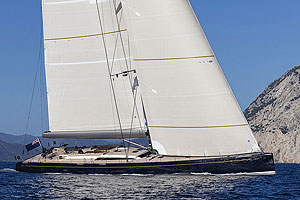
The 60-meter sailing yacht Lamima was launched in 2012. Designed by renowned designer Marcello Pena, the project was brought to life by shipbuilders from the village of Ara on Sulawesi. Managed by Camper & Nicholsons, Lamima is based in Sorong Port and sails to Raja Ampat, the Komodo Archipelago, and many other fascinating destinations. Guests can enjoy seven spacious en-suite cabins, professional massage therapists, yoga instructors, and a PADI-certified dive center. In Raja Ampat, Lamima offers programs lasting one or two weeks.
Vela
The 50-meter sailing vessel Vela belongs to the local "pinisi" type of ships, specifically the "lamba" or "lambo" variation. Built in 2022 at Pak Haji Wahab's shipyard in South Sulawesi, Vela was designed with an American project that optimized its performance and safety. The hull is made of steel, while the two-tier superstructure is crafted almost entirely from teak. The interiors feature ultramodern designs that successfully blend Indonesian artisanal products, indigo-dyed fabrics from East Bali, and teak furniture with luxury textiles from Hermès, Dedar, and Rubelli. Onboard, there are six cabins and limitless opportunities for water-based activities. In addition to two Zodiac tenders, the yacht is equipped with two Yamaha jet skis, water skis, wakeboards, surfboards, and kayaks.

Rebel, Rascal, and Rogue
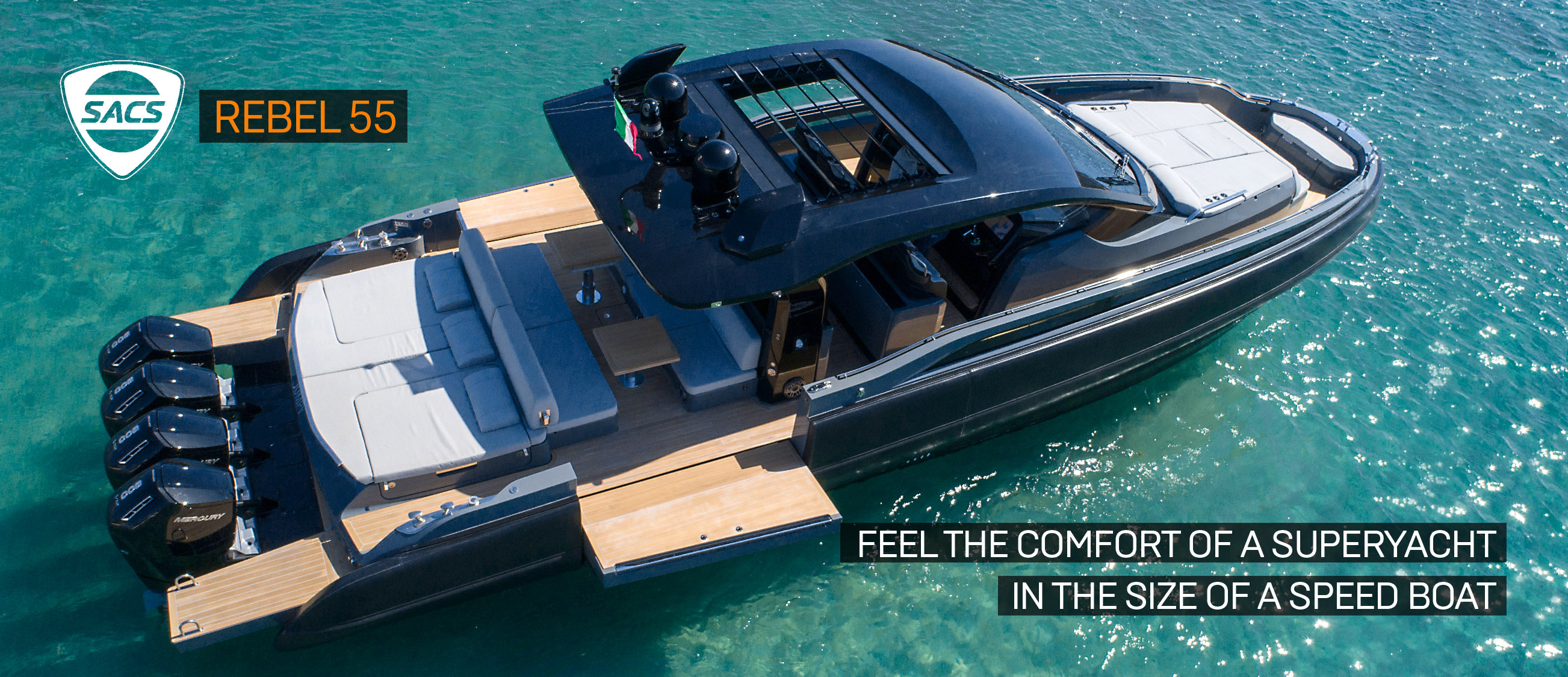
Three motorized sister ships of the pinisi type, each 30 meters long, are crafted entirely from ironwood and teak by Rascal Voyages. Rascal is considered the flagship, boasting interiors described as "Ralph Lauren swept onto Sulawesi." Rebel features a chic black-and-white color scheme, while Rogue, launching this year, promises to incorporate more ethnic details into its design. Each ship accommodates up to 10 cabins and offers top-tier chefs onboard. For instance, Rebel's kitchen is helmed by a chef from Amanwana Moyo. One unique deck activity is mini-golf with fish food balls. However, the local marine life might root against you, hoping your ball goes overboard so they can enjoy the treat!

Marine Park: Whale Sharks, Barracuda Tornadoes, Reef on a Submarine Volcano, Sunken Oil Platform, and More Dive Destinations Near Malaysian Borneo (Kalimantan)
Sipadan and the Semporna Islands
Though Sipadan can be circled in just half an hour, it attracts divers from all over the world. First, there’s the allure of diving at Malaysia’s only island formed from a coral reef that rises atop an underwater volcano. Second, its exclusivity is a draw. To preserve the pristine ecosystem, only 120 dives are permitted daily. Exploring the forest is prohibited; visitors can only stroll along the shoreline. Additionally, the island closes for a month-long break every November.
Each dive site here bears poetic names, as if dreamed up by Stevenson or Jules Verne: Barracuda Point, Lobster Lair, Coral Garden, White Tip Avenue… And indeed, enormous schools of barracuda gracefully swirling in a vortex dance, turtles leisurely gliding across the reefs, and white-tipped sharks patrolling their domains are just a fraction of the wonders awaiting divers. Ancient coral formations have created underwater caves and tunnels over millennia, adding adventure and mystery to every dive.

Sipadan is particularly renowned for its dramatic vertical coral walls that descend into the depths. These living reef structures come alive under the sun's rays filtering through the water, revealing a mesmerizing scene of soft corals, sponges in unimaginable shapes and colors, and nudibranchs playing hide-and-seek among the branches. It’s a breathtaking underwater spectacle that stays etched in memory.
For beginners, the calmer reefs are ideal, while experienced divers can explore the depths and intricate underwater formations.
One of the main draws of diving in Sipadan is the abundance of hawksbill turtles, which thrive amidst the coral ridges and walls.
If you’re an advanced diver, venture into Turtle Cavern for a true adventure. Local lore suggests that turtles come there to die, and indeed, many skeletal remains can be found at the bottom. However, these are the unfortunate victims of the cave's winding passages. The site is also dangerous for humans, requiring a Cavern Dive certification (which can be obtained locally) for exploration.

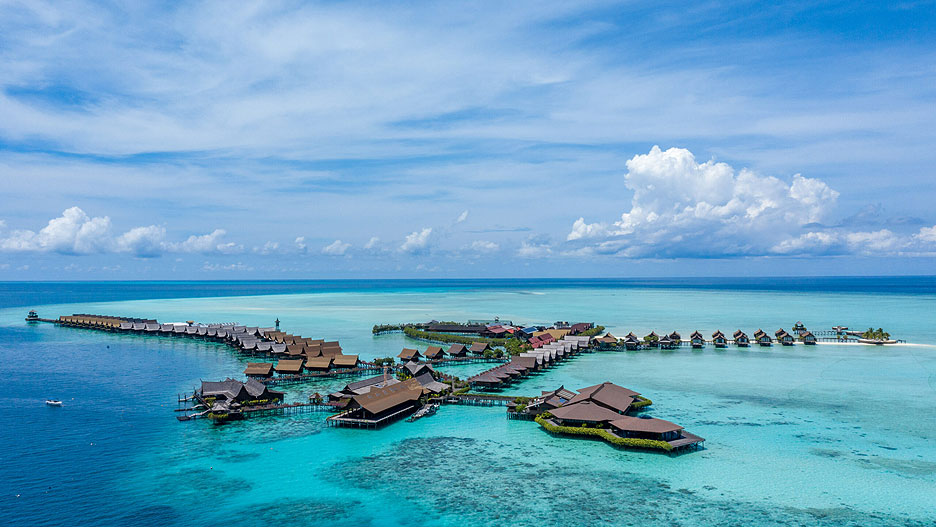
While Sipadan itself is uninhabited, the neighboring Semporna Islands—Mabul, Kapalai, and Mataking—offer comfortable resorts for divers and ocean enthusiasts, along with beautiful beaches. These islands are the ideal base for relaxation, with day trips to Sipadan by boat.
The best option is to rent a yacht and embark on a 3–7 day dive safari across Semporna’s top sites, living onboard and diving daily.
One of the most enticing aspects of diving in the marine reserves of Sipadan, Kapalai, and Mabul is the chance to encounter whale sharks. No diver can resist the opportunity to meet these majestic giants. It’s recommended to plan your trip during their seasonal migration, one of which occurs from September to October.

Miri
Thanks to oil revenues, Miri has invested in tourism and created artificial attractions for divers. In 2004, a 20-meter oil platform was deliberately sunk. Now resting on its side at a depth of 12–14 meters, it has gradually transformed from an industrial structure into a thriving reef. The sea has claimed it, and its walls are steadily covered with marine flora. Exploring the site evokes thoughts of Davy Jones from Pirates of the Caribbean, the half-captain, half-squid. Around the platform, divers can encounter schools of snappers, wide-eyed scorpionfish with fan-like fins, striped lionfish, and whip corals.
Miri is also a haven for wind sports, making it a popular spot for surfing and yachting. At the city marina, visitors can admire dazzling white yachts and sailboats or rent a boat for trips to Brunei or further along the coast to Kota Kinabalu and Gaya Bay (Sabah province).

Морской парк Тунку Абдул Рахман
Tunku Abdul Rahman Marine Park (TARP), located in Sabah, is Malaysia’s oldest marine park, established in 1974 near Kota Kinabalu to protect the flora and fauna surrounding its five islands: Gaya, Sapi, Manukan, Mamutik, and Sulug.
Getting to TARP is easy—speedboats depart regularly from Jesselton Point in Kota Kinabalu, taking just 15–20 minutes to reach the islands. Many dive centers in the city organize day trips to TARP, offering equipment rentals, instructor services, and transfers.
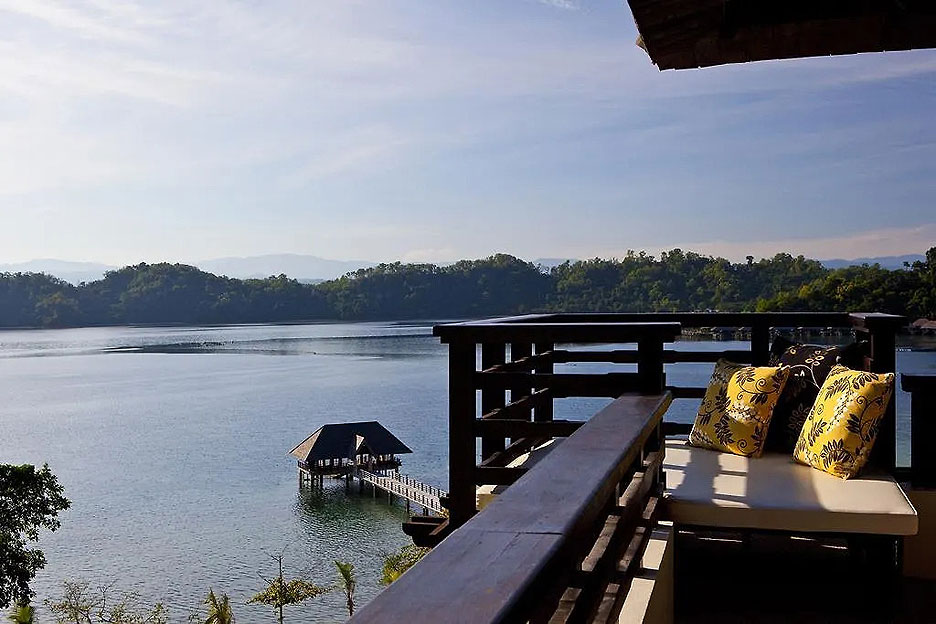
Gaya Island, the largest and most developed, is arguably the best for diving. Visitors can stay for several days in luxurious jungle-surrounded villas with sea views and vistas of Mount Kinabalu at the upscale Gaya Island Resort, which features a spa and a restaurant specializing in local seafood. Gaya also offers jungle trekking with well-marked trails, though caution is advised due to mischievous monkeys.
Manukan Island, the second largest, also boasts hotels, restaurants, and a small pier, making it a great spot for extended stays. For day trips, Sapi Island stands out with its pristine beach and excellent snorkeling opportunities. A zipline connects Sapi to Gaya—a thrilling option for those traveling light and seeking adventure.

While TARP offers a fantastic mix of diving, snorkeling, trekking, and relaxation, it’s essential to plan your visit wisely. Expect large crowds on weekends and public holidays. To avoid the hustle, consider visiting during weekdays or exploring the lesser-known islands like Mamutik or Sulug, which promise a quieter experience.
For those in search of world-class diving, the Semporna Islands remain the top destination, offering unparalleled underwater adventures.