

Deep Sentinel: into abyss
Deep to build a futuristic underwater campus for scientific research.
News

10 december 2024
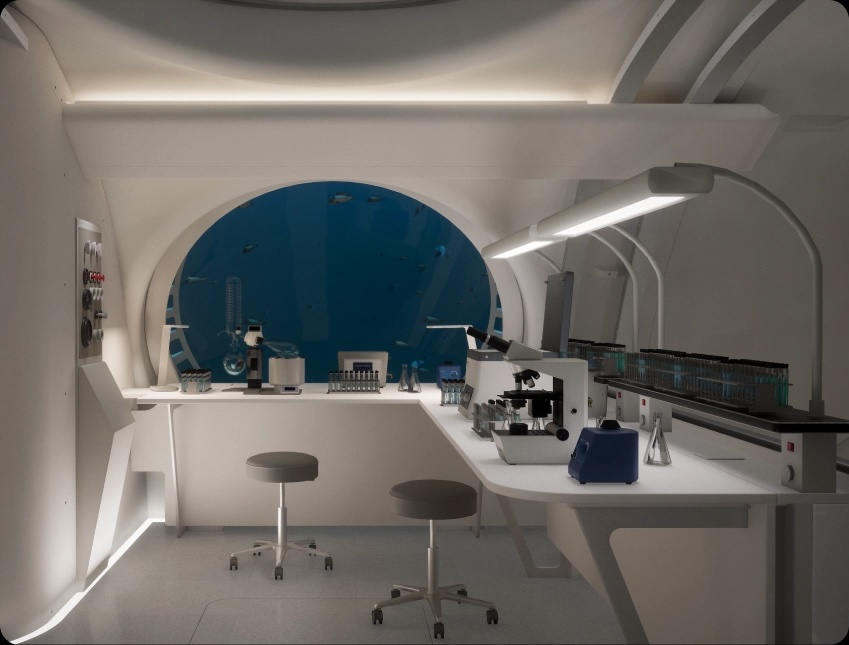
Deep, a company specialising in underwater research and engineering, has announced plans to build an underwater campus that will allow people to live and work on the ocean floor. The ambitious Sentinel project is set to launch in 2027 and aims to facilitate groundbreaking research on the continental shelf.
With the Sentinel habitat, Deep envisions ushering in a new era of ocean exploration, addressing the fact that 95% of the world’s oceans remain unexplored. The company points out that humanity currently knows more about the surface of Mars or the Moon than it does about the ocean floor of our own planet.
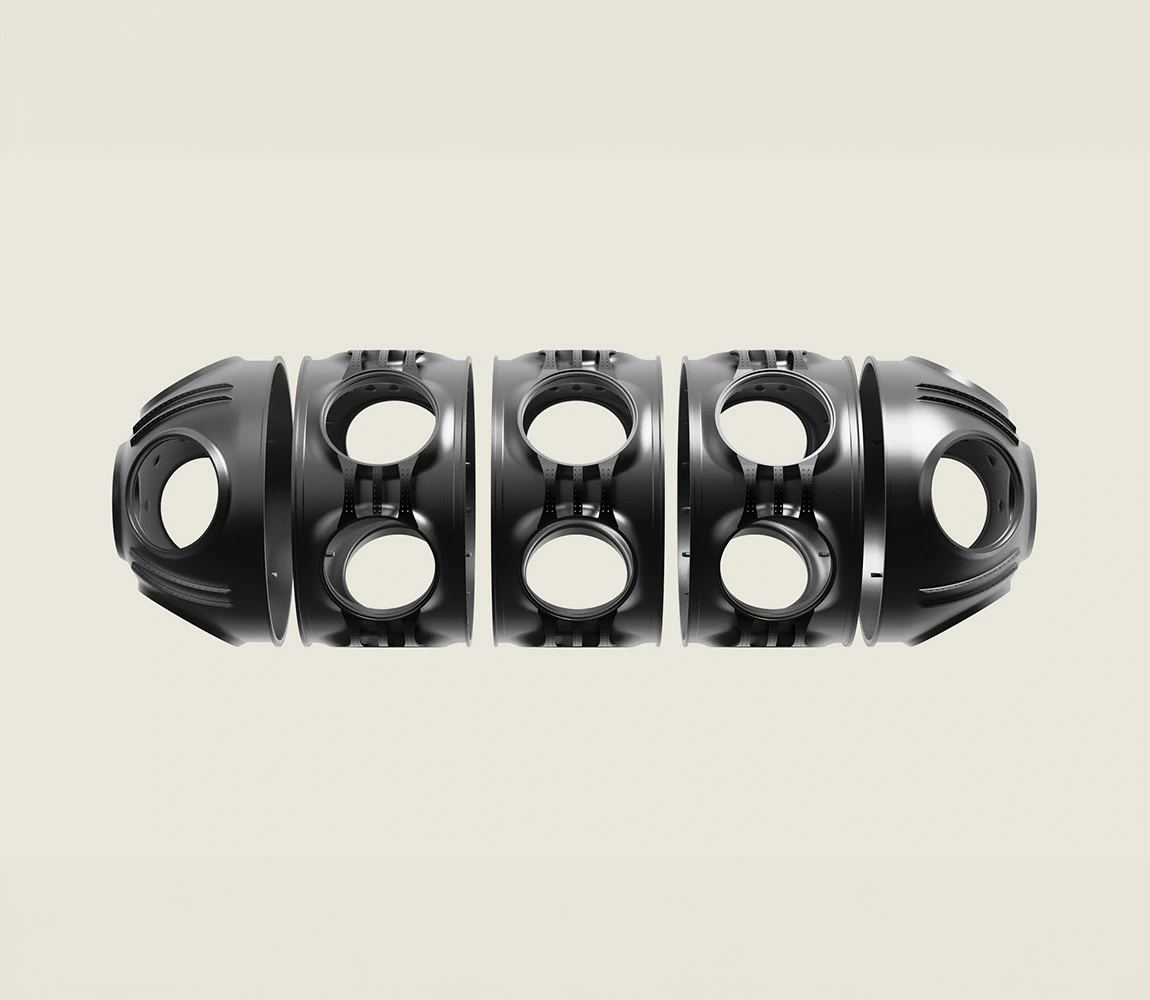
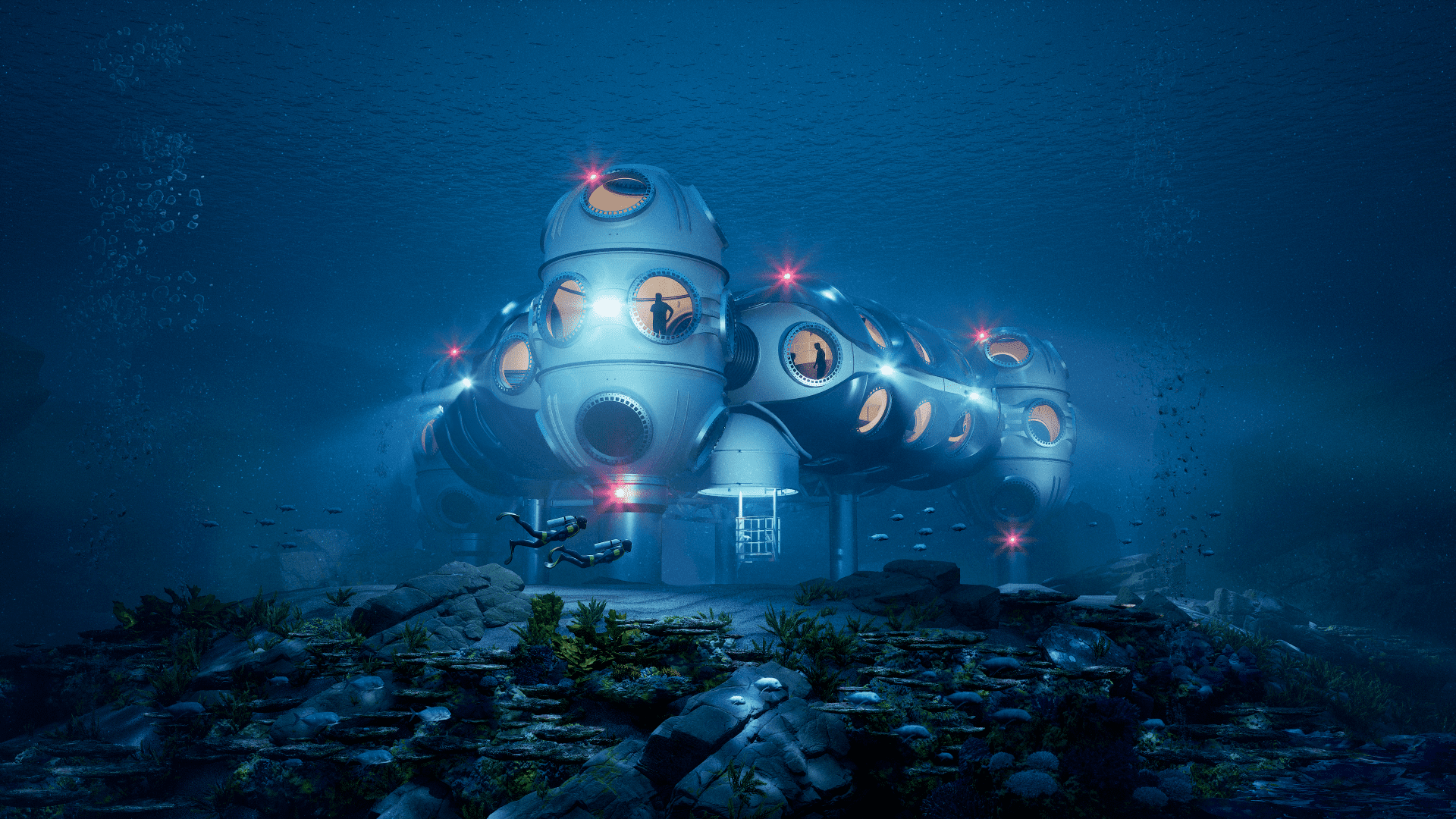
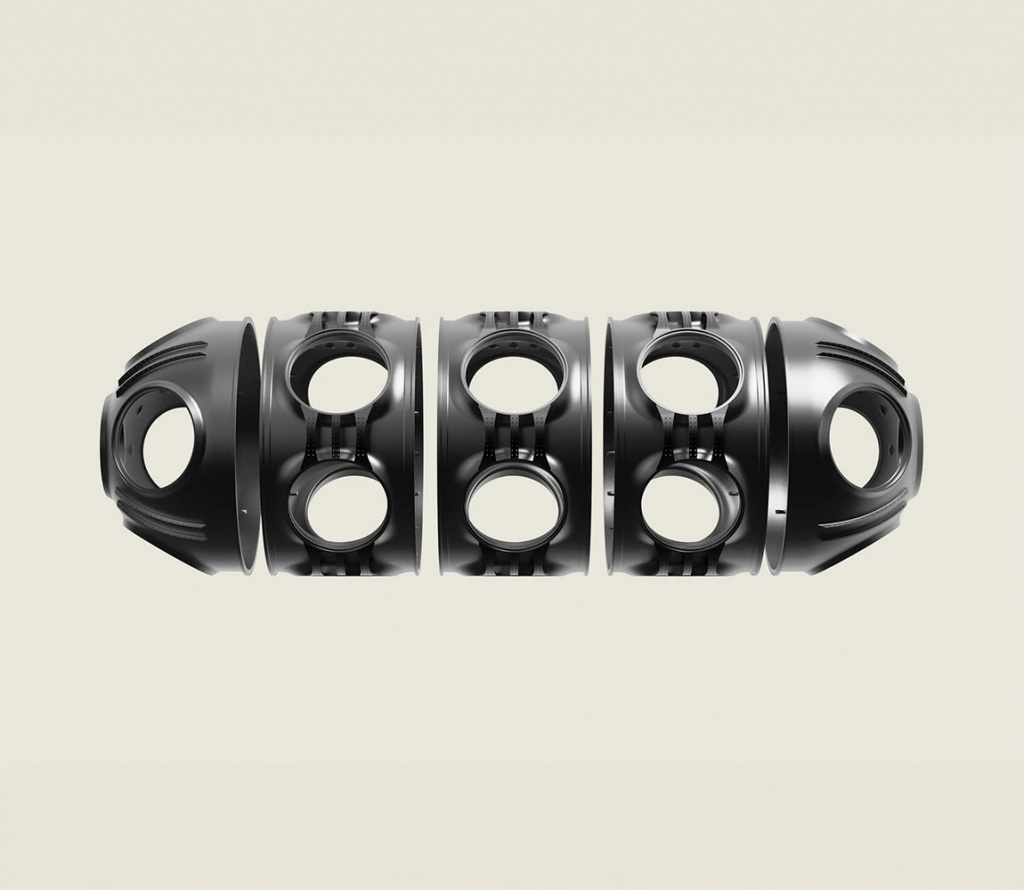
The Sentinel complex will consist of modular units constructed using advanced technologies like 3D printing. This approach allows for flexible configurations and minimises construction waste. Each module can be customised for different purposes, ranging from accommodating six people for short-term missions to supporting up to 50 individuals for large-scale projects.
One of Sentinel’s key innovations is its independence from surface support vessels, which are typically required to maintain communication and life-support systems for underwater stations. Instead, the underwater campus will rely on microgrid architecture, renewable energy sources, and satellite communication, making it entirely self-sufficient.
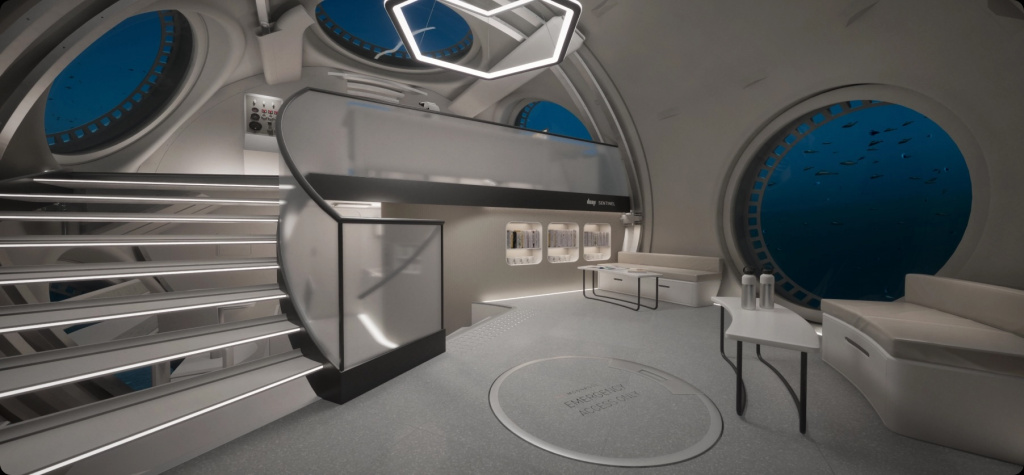
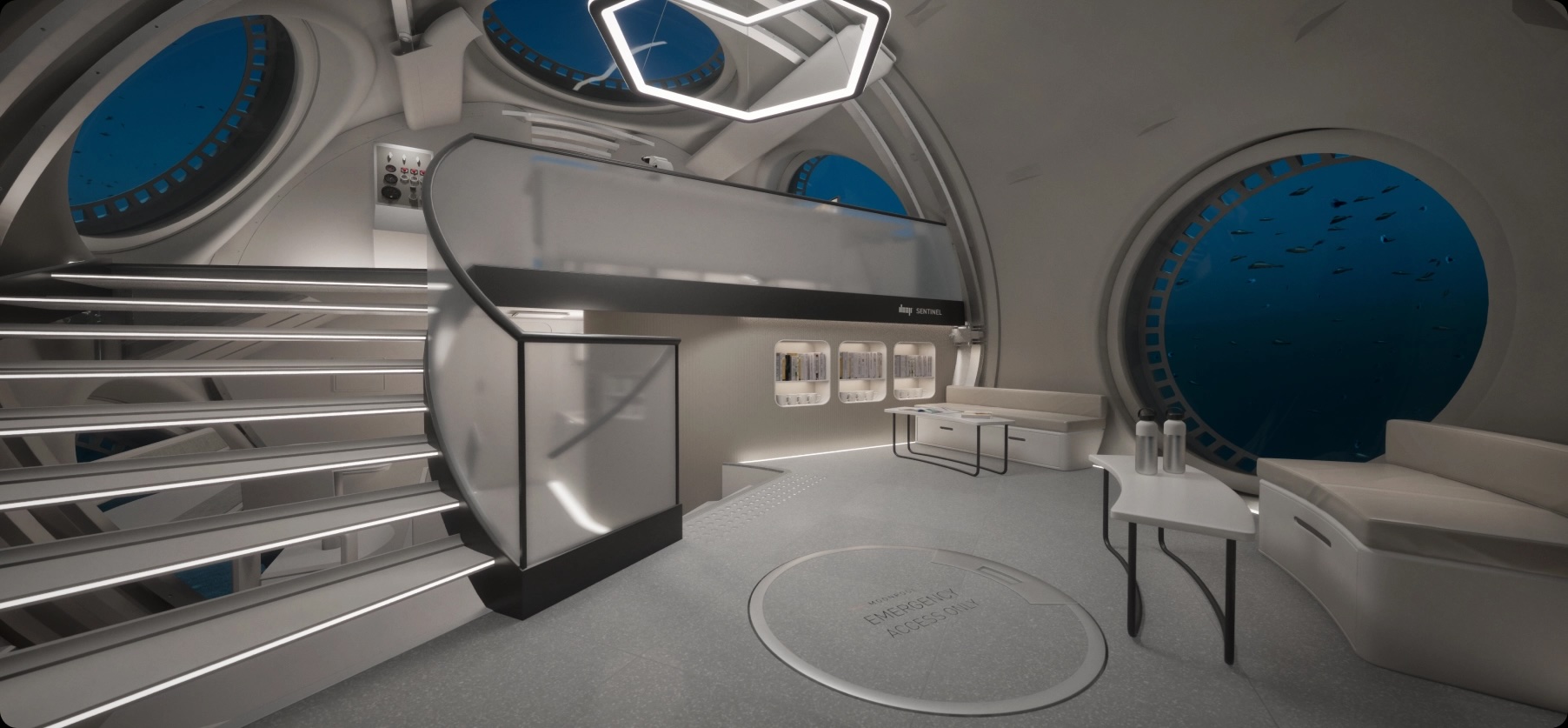
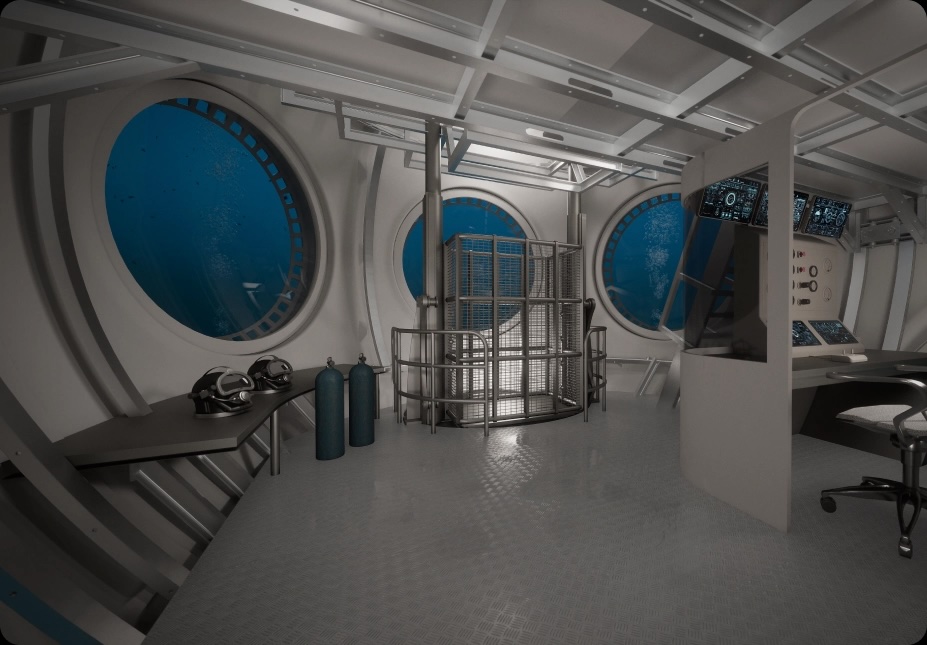
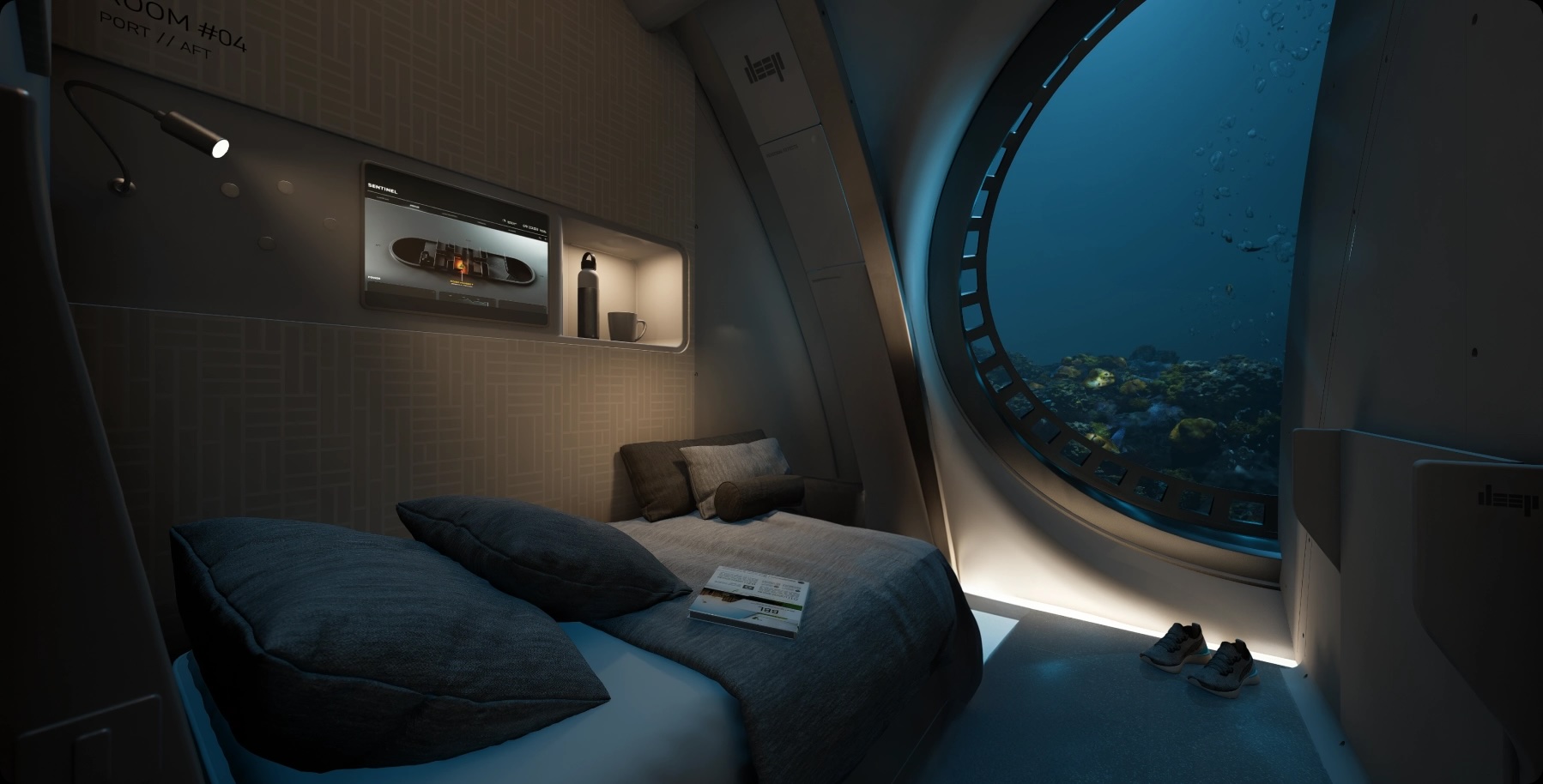
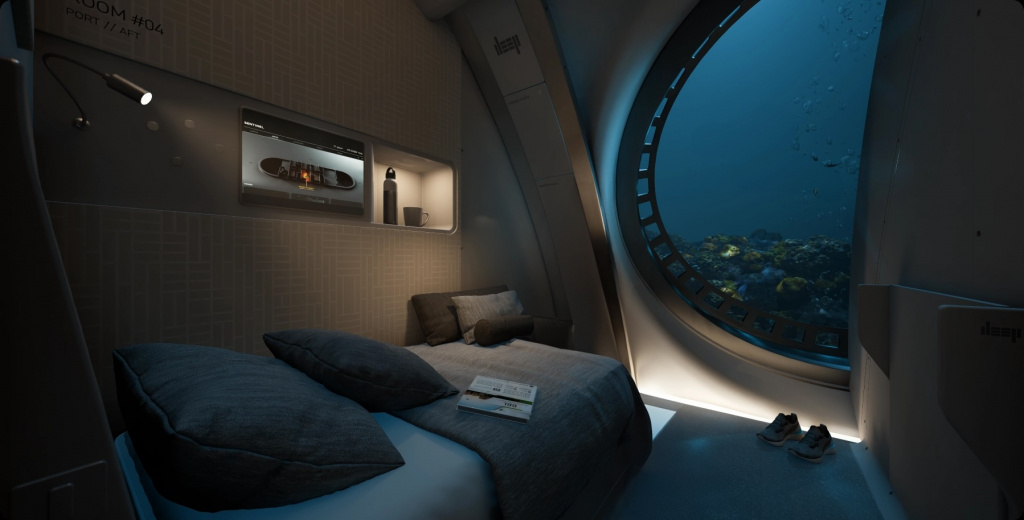
Inside the Habitat Sentinel, residents will find comfortable sleeping quarters, relaxation areas, and dining zones offering a varied menu. The atmospheric pressure within the modules can be adjusted to suit different conditions, making the habitat accessible to both professional divers and those without diving experience.
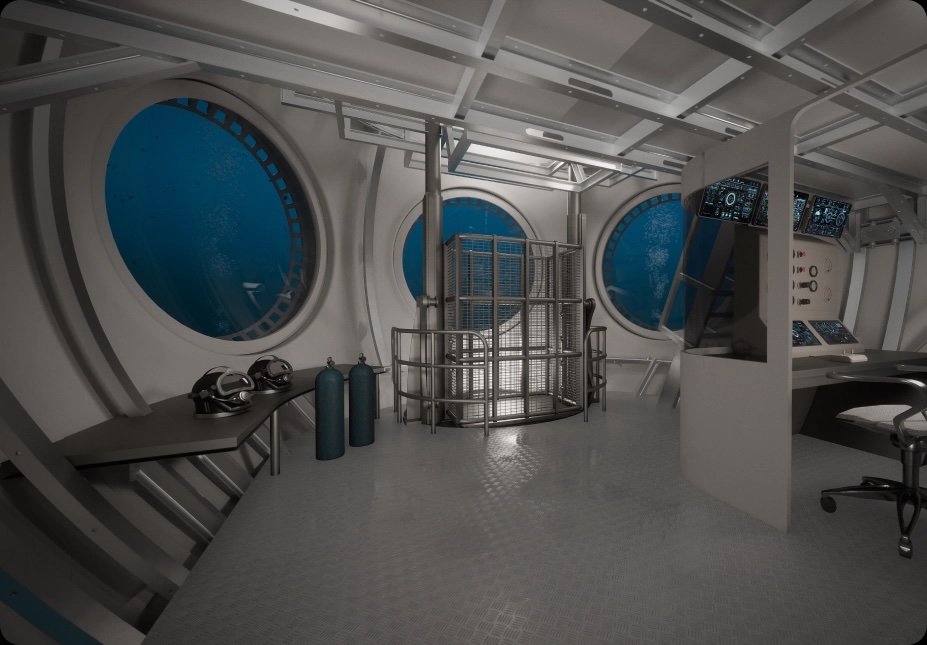
Panoramic windows in the modules will provide breathtaking views of the surrounding ocean, creating opportunities for what Deep calls “serendipitous science”—unexpected discoveries that arise from prolonged observation of the underwater environment.
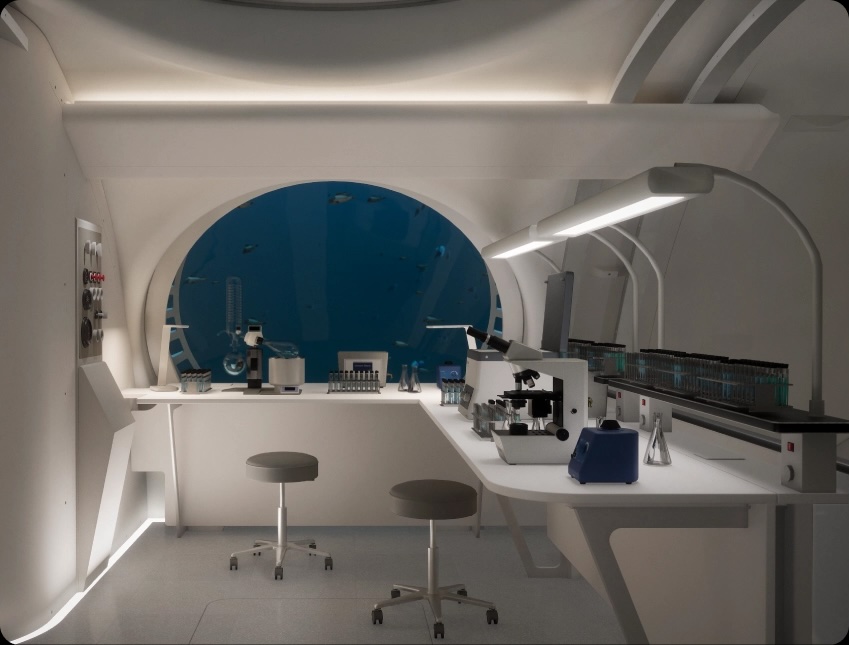
By combining cutting-edge technology with an innovative approach to ocean exploration, the Sentinel project promises to revolutionise how we study and interact with the deep sea.
With the Sentinel habitat, Deep envisions ushering in a new era of ocean exploration, addressing the fact that 95% of the world’s oceans remain unexplored. The company points out that humanity currently knows more about the surface of Mars or the Moon than it does about the ocean floor of our own planet.
The Sentinel complex will consist of modular units constructed using advanced technologies like 3D printing. This approach allows for flexible configurations and minimises construction waste. Each module can be customised for different purposes, ranging from accommodating six people for short-term missions to supporting up to 50 individuals for large-scale projects.
One of Sentinel’s key innovations is its independence from surface support vessels, which are typically required to maintain communication and life-support systems for underwater stations. Instead, the underwater campus will rely on microgrid architecture, renewable energy sources, and satellite communication, making it entirely self-sufficient.
Inside the Habitat Sentinel, residents will find comfortable sleeping quarters, relaxation areas, and dining zones offering a varied menu. The atmospheric pressure within the modules can be adjusted to suit different conditions, making the habitat accessible to both professional divers and those without diving experience.
Panoramic windows in the modules will provide breathtaking views of the surrounding ocean, creating opportunities for what Deep calls “serendipitous science”—unexpected discoveries that arise from prolonged observation of the underwater environment.
By combining cutting-edge technology with an innovative approach to ocean exploration, the Sentinel project promises to revolutionise how we study and interact with the deep sea.


News
Manari Yachts has unveiled its first line of yachts
The new US brand will work in partnership with Red Yacht Design.

News
New project: Extra X70 Shadow
Extra Yachts has unveiled a new design for a versatile 21 m yacht, intended for use as a shadow boat or on its own.
News
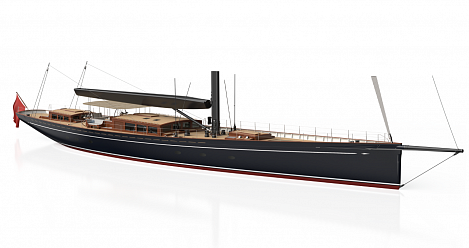
Vitters to build a classic sloop to a Dykstra design
Dutch shipyard Vitters has signed a contract to construct a custom 53-metre sailing yacht, currently referred to as Project SY 07.

News
Mangusta Yachts reports the sale of the third Oceano 52
Italian shipyard Mangusta Yachts begins construction of the third hull in the successful Oceano 52 series.