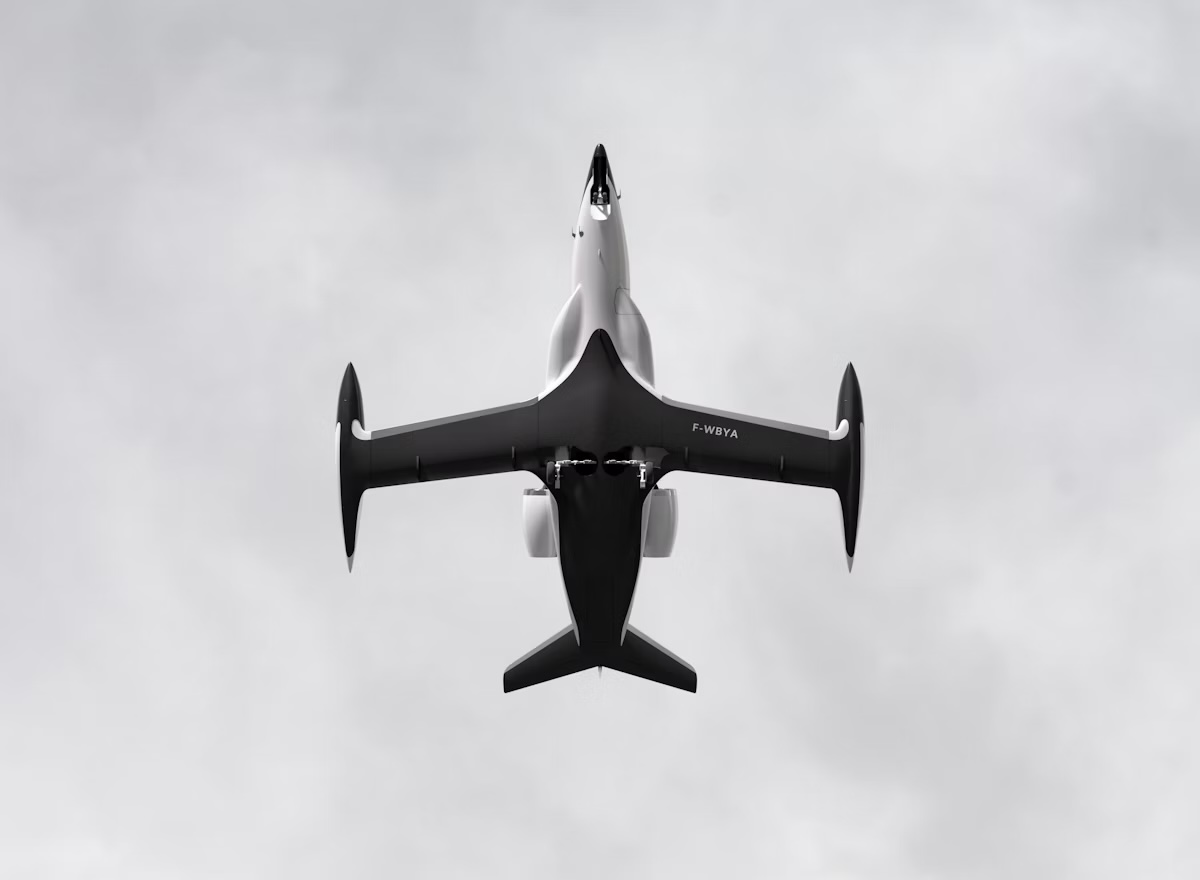


BYA-1: Hydrogen-powered jet
Beyond Aero reveales new details about its hydrogen-electric business jet project.

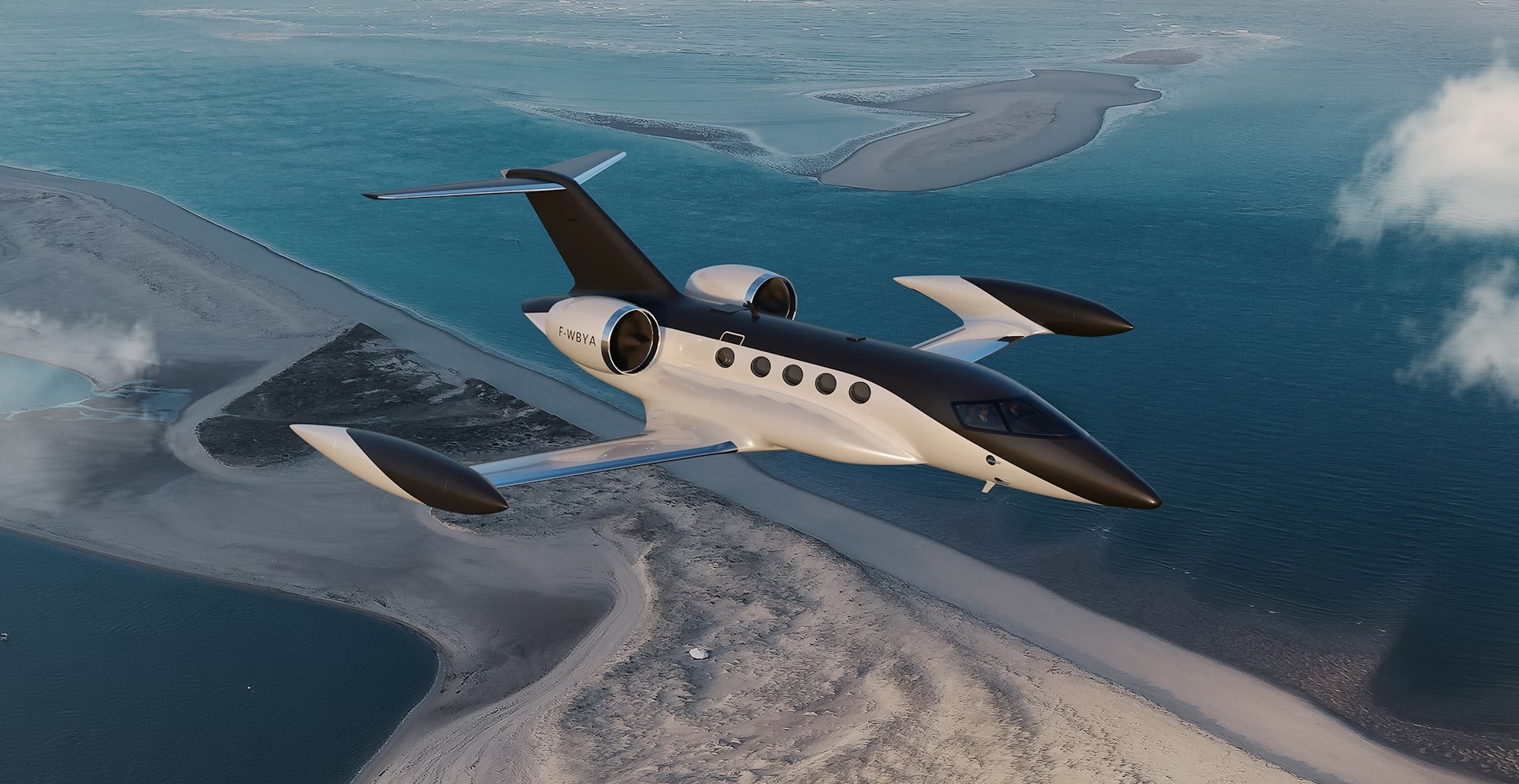
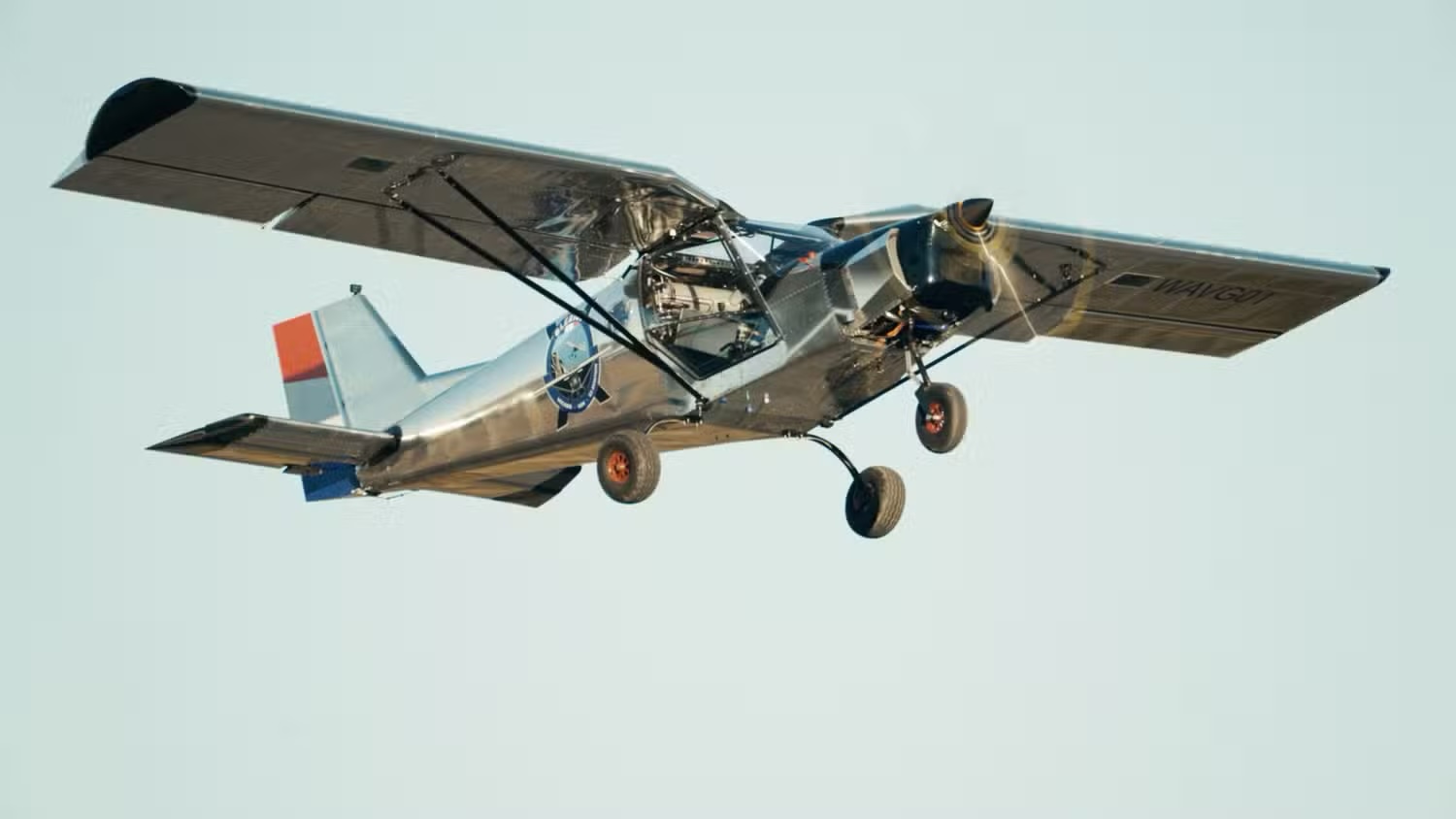
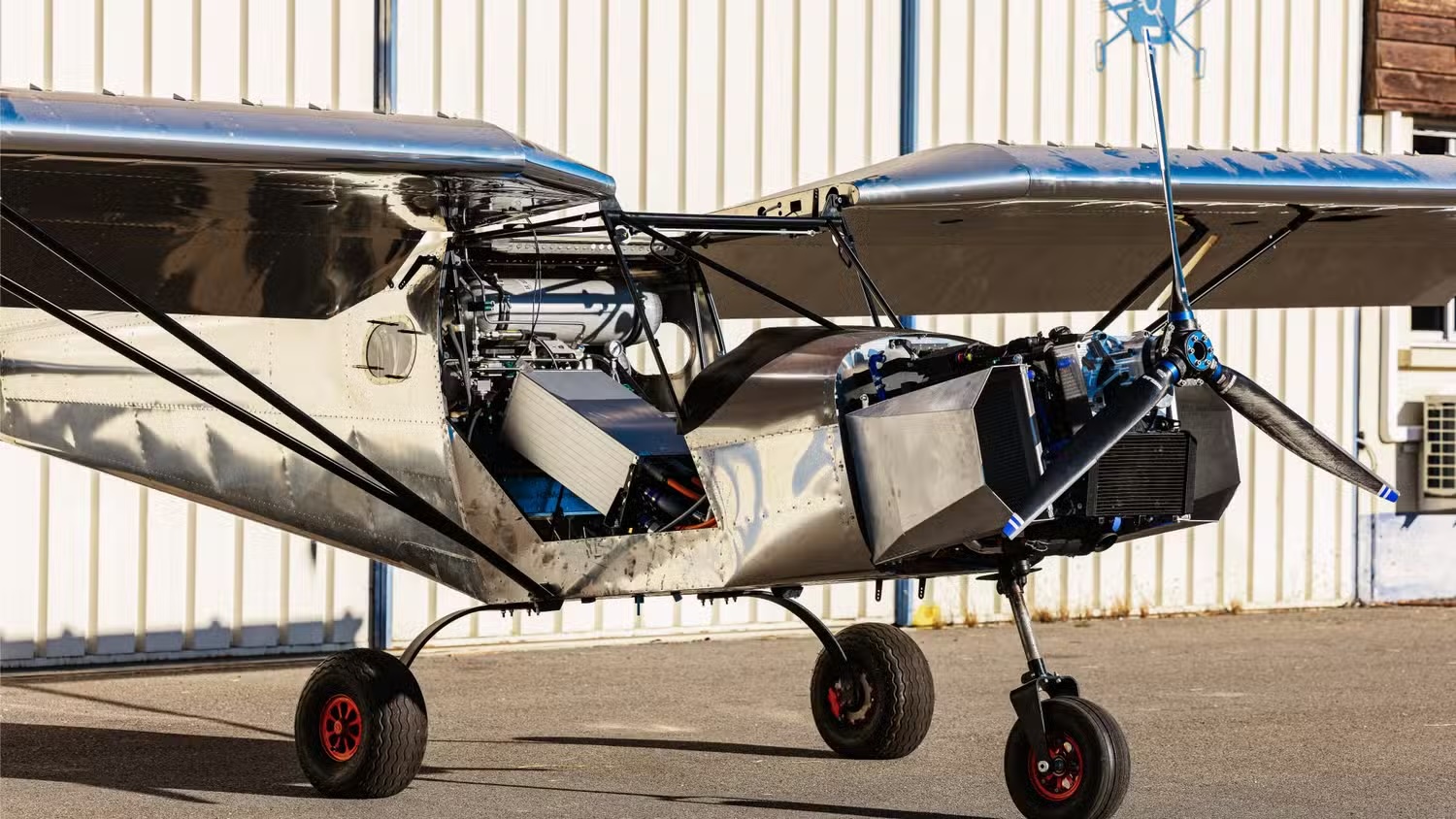
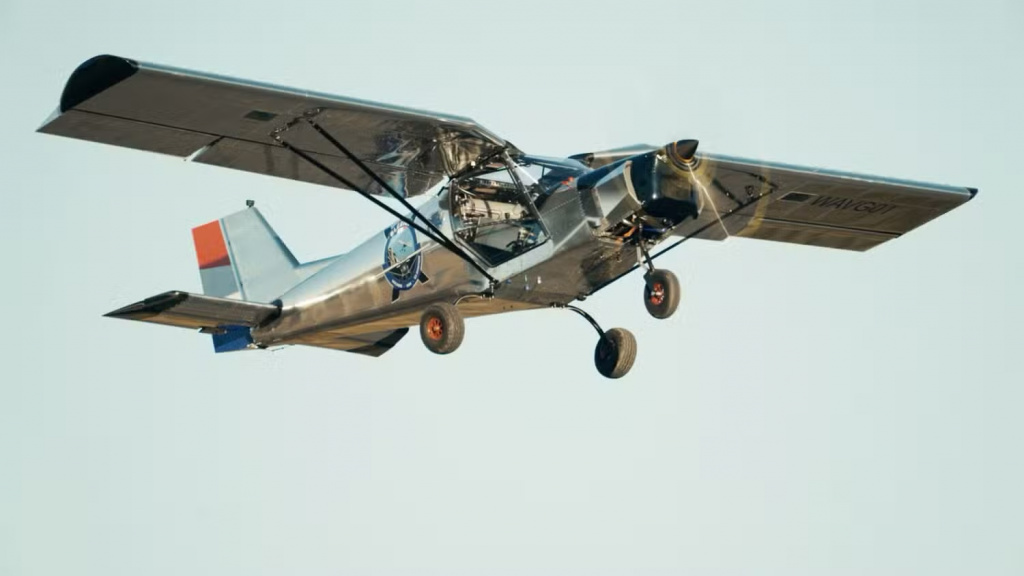
In February 2024, on a winter morning at the Gap-Tallard airfield at the foot of the French Alps, an experimental aircraft made its first flight. Test pilot Paul Prudente successfully completed ten takeoffs, including two full flights. The demonstration aircraft, named Blériot, was equipped with a prototype hydrogen-electric power system generating 85 kW, developed by Beyond Aero. This system produced two-thirds of its power from a hydrogen fuel cell, with the remaining third sourced from batteries. This marked a significant milestone for the French startup, which is working towards the launch of BYA-1, or simply the One—the world's first hydrogen-powered electric business jet without batteries.
The shift away from fossil fuels is capturing the attention of not just car and yacht manufacturers. Aircraft also significantly contribute to air pollution, but unlike boats, yachts, cars, and trains, transitioning them to electric power is more challenging. The primary obstacle is the weight of the batteries.
"We were looking for alternative ways to generate electricity, and hydrogen emerged as the only logical solution for aviation," says Jacques-Alexis Verrechia, product director at Beyond Aero. "One promises to be more environmentally friendly, cost-effective in operation, and significantly quieter than traditional business jets."
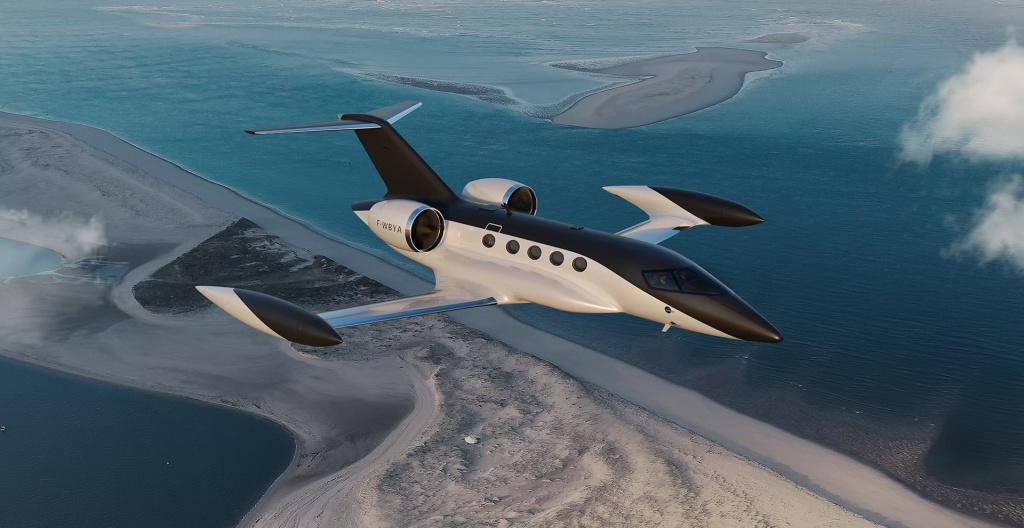
The One is set to be certified and prepared for market launch by 2030. It is claimed that the aircraft will be able to carry up to eight people over a distance of up to 1,500 kilometers at an altitude of 7,925 meters. Its fuel cell power system, which generates electricity by combining hydrogen with oxygen, will provide a range seven times greater than that of current lithium-ion batteries. Additionally, refueling the aircraft with hydrogen to a pressure of 700 bar will take 30 to 40 minutes, significantly less time than would be required to recharge electric batteries.
Due to the complexities of using hydrogen as fuel, particularly the need for high-pressure storage, the startup is developing its hybrid energy distribution system and designing the aircraft architecture with these requirements in mind. To achieve this, Beyond Aero is adapting technologies already employed in Formula 1, automotive manufacturing, and the yacht and boat industries.
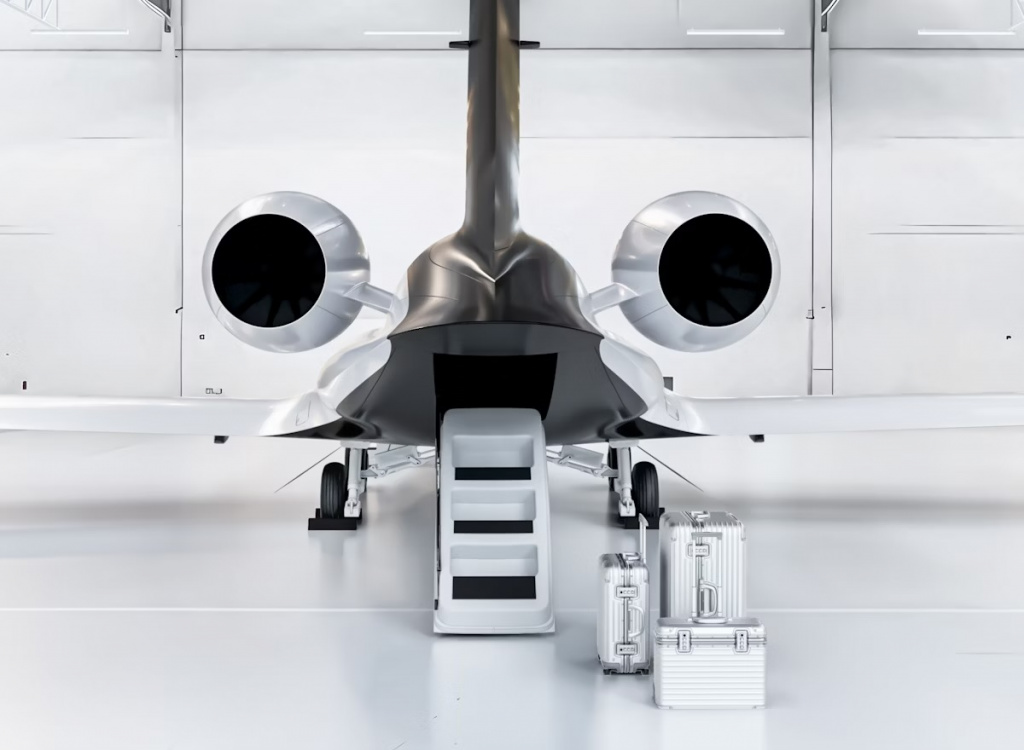
The One will feature two electric motors located at the tail and a hydrogen fuel cell system with a power output of 2.4 megawatts, without any batteries. Hydrogen storage will be located in tanks above the wings. One of the key operational advantages over traditional aircraft is the absence of high-temperature turbines and a reduced number of moving, wear-prone parts, which theoretically should increase maintenance intervals and lower repair costs.
Before building a prototype of the hybrid power system, Beyond Aero created a virtual model on the 3DEXPERIENCE platform using CATIA for 3D mechanical design. The ability to combine design and simulation within a single data model—an approach known in the industry as MODSIM—allows the company to quickly test and verify new designs.

"With MODSIM, we can draw a 2D diagram of a tank or pipe, connect it to a 3D model, test how it works, and then any changes are automatically updated in the simulation," explains Jacques-Alexis Verrechia. "This seamless integration saves a significant amount of time, as we don’t have to go back and check or duplicate changes. It also removes some limitations we might face when testing everything in the real world."
If successful, the company plans to develop a regional passenger aircraft and possibly even larger commercial planes, where the issue of reducing carbon emissions is particularly pressing.
Beyond Aero also intends to track the environmental footprint of One throughout its entire lifecycle—from raw material extraction to disposal.
The shift away from fossil fuels is capturing the attention of not just car and yacht manufacturers. Aircraft also significantly contribute to air pollution, but unlike boats, yachts, cars, and trains, transitioning them to electric power is more challenging. The primary obstacle is the weight of the batteries.
"We were looking for alternative ways to generate electricity, and hydrogen emerged as the only logical solution for aviation," says Jacques-Alexis Verrechia, product director at Beyond Aero. "One promises to be more environmentally friendly, cost-effective in operation, and significantly quieter than traditional business jets."
The One is set to be certified and prepared for market launch by 2030. It is claimed that the aircraft will be able to carry up to eight people over a distance of up to 1,500 kilometers at an altitude of 7,925 meters. Its fuel cell power system, which generates electricity by combining hydrogen with oxygen, will provide a range seven times greater than that of current lithium-ion batteries. Additionally, refueling the aircraft with hydrogen to a pressure of 700 bar will take 30 to 40 minutes, significantly less time than would be required to recharge electric batteries.
Due to the complexities of using hydrogen as fuel, particularly the need for high-pressure storage, the startup is developing its hybrid energy distribution system and designing the aircraft architecture with these requirements in mind. To achieve this, Beyond Aero is adapting technologies already employed in Formula 1, automotive manufacturing, and the yacht and boat industries.
The One will feature two electric motors located at the tail and a hydrogen fuel cell system with a power output of 2.4 megawatts, without any batteries. Hydrogen storage will be located in tanks above the wings. One of the key operational advantages over traditional aircraft is the absence of high-temperature turbines and a reduced number of moving, wear-prone parts, which theoretically should increase maintenance intervals and lower repair costs.
Before building a prototype of the hybrid power system, Beyond Aero created a virtual model on the 3DEXPERIENCE platform using CATIA for 3D mechanical design. The ability to combine design and simulation within a single data model—an approach known in the industry as MODSIM—allows the company to quickly test and verify new designs.
"With MODSIM, we can draw a 2D diagram of a tank or pipe, connect it to a 3D model, test how it works, and then any changes are automatically updated in the simulation," explains Jacques-Alexis Verrechia. "This seamless integration saves a significant amount of time, as we don’t have to go back and check or duplicate changes. It also removes some limitations we might face when testing everything in the real world."
If successful, the company plans to develop a regional passenger aircraft and possibly even larger commercial planes, where the issue of reducing carbon emissions is particularly pressing.
Beyond Aero also intends to track the environmental footprint of One throughout its entire lifecycle—from raw material extraction to disposal.


News
New project: Extra X70 Shadow
Extra Yachts has unveiled a new design for a versatile 21 m yacht, intended for use as a shadow boat or on its own.
News
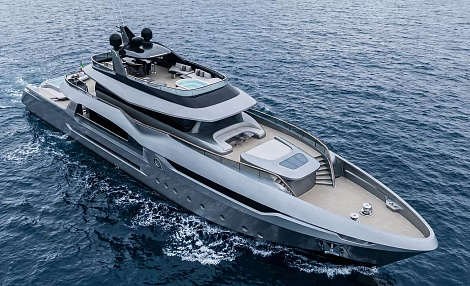
Gloss Design reveals 50 m Hybrid Concept Auralia
The new project demonstrates the Italian studio's extensive cross-industry expertise, including insights from automotive design.
News
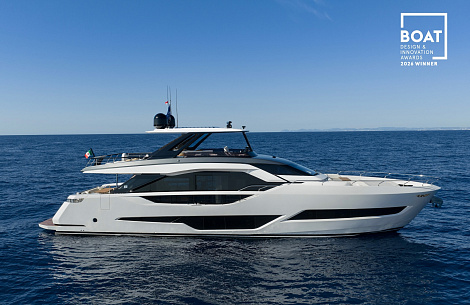
Ferretti Yachts 800 receives a prestigious award
Ferretti Yachts 800 is the best new series yacht according to BOAT Design & Innovation Awards 2026.
News
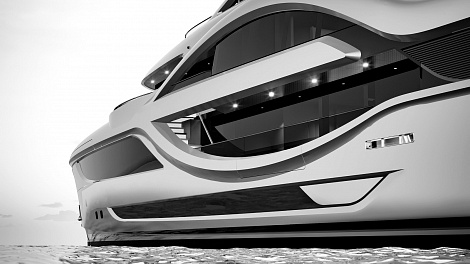
Milky Ways: the largest Brazilian yacht
Vripack reveals first details of Brazil’s largest superyacht under construction.