

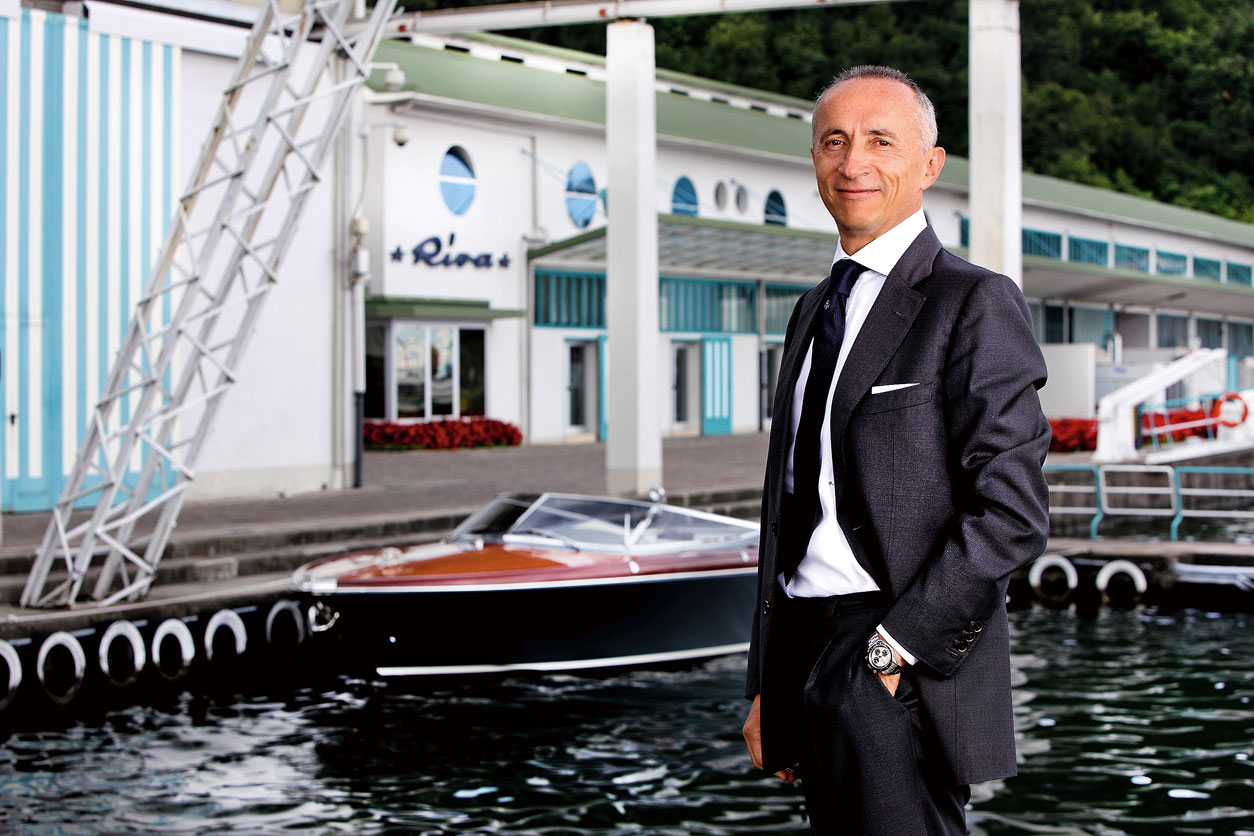


Сеньор Галасси, какие задачи стояли перед вами, когда вы возглавили компанию в 2014 году и удалось ли их достичь?
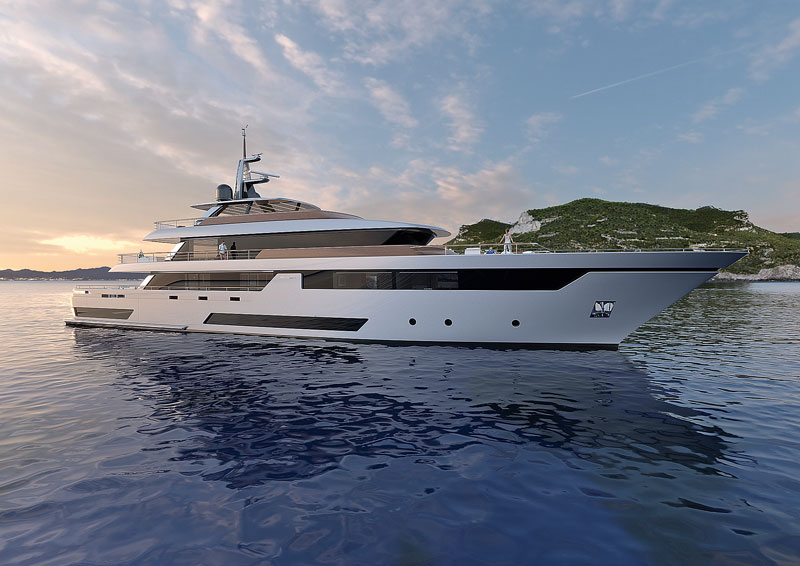
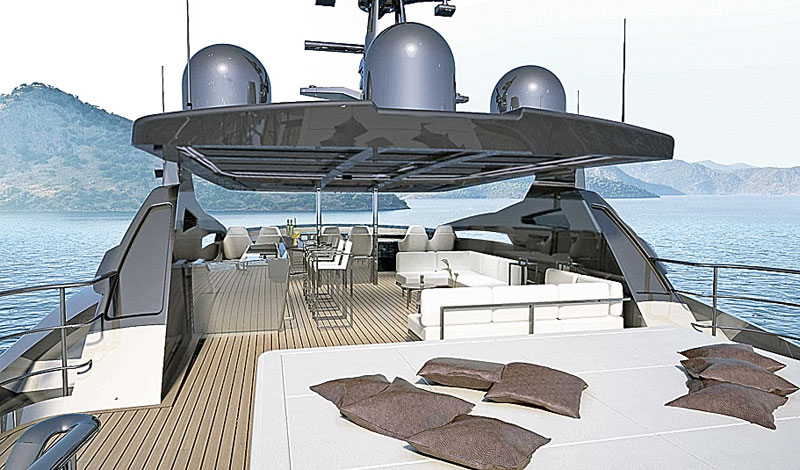
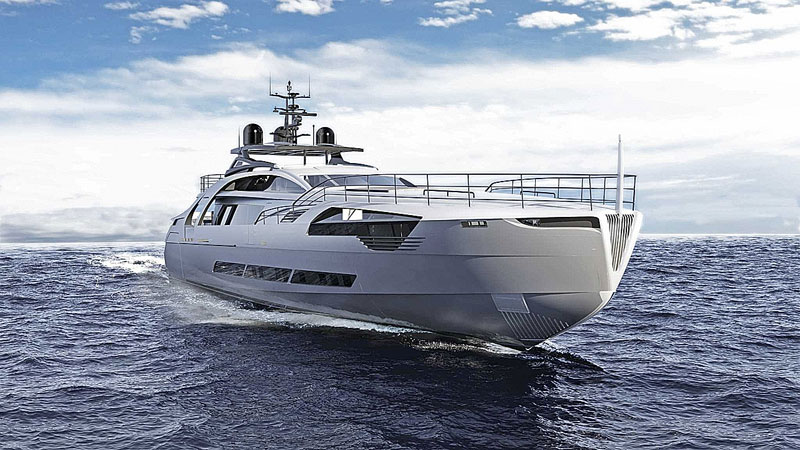
«Остановить кровь», снова сделать компанию прибыльной и вернуть ее на законное место в элите яхтенной индустрии. Когда меня назначили CEO Ferretti Group, она теряла деньги. В 2014 убытки составляли 40 млн евро, в 2015 – 29 млн евро. А уже в 2016 году нам удалось заработать 14 млн евро PAT (Profit after Tax, выручка за вычетом налогов). Группа впервые получила прибыль с 2008 года, и, таким образом, мы достигли второй цели – снова стать прибыльными. В прошлом году мы зафиксировали более чем 10-процентный рост выручки, финансовый эквивалент нашего производства вырос до 623 млн евро, а прибыль равнялась 24 млн евро. За первые 8 месяцев 2018 года производство составило 420 млн евро в финансовом выражении, что на 22% больше, чем за тот же период 2017 года. В 2018 году мы надеемся довести этот показатель до 704 млн евро. Чтобы решить третью задачу – вывести FG в топ индустрии – нужно было вкладывать в новые модели, персонал и производственные мощности. И прежде всего необходимо было инвестировать в людей. Имевшиеся у нас ресурсы просто не подходили для новых задач. Модельный ряд давно не обновлялся, некоторым моделям было по пять лет, а то и больше. Все это не позволяло нам конкурировать на равных. Мы потратили более 80 млн евро на то, чтобы в течение двух лет вывести на рынок 20 новых моделей. Итоги этого вы можете наблюдать уже сейчас. На прошедшем яхтенном фестивале в Каннах мы представили пять новых яхт: Riva 110 Dolcevita, Custom Line Navetta 42, Custom Line 120, Ferretti Yachts 670 и Riva 66 Ribelle, а также анонсировали новую Ferretti Yachts 720. В Монако мы показали новую 50-метровую CRN Latona и поделились информацией о новых крупных проектах, в частности, Pershing 140, Riva 50 m и нескольких проектах с ведущими мировыми дизайнерами.
В 2012 Ferretti Group перешла под контроль китайского холдинга Weichai. Плоды этого поглощения налицо, но что именно привнесли новые хозяева в компанию, помимо 500 млн евро вложений?
Weichai привнесла организованность и дисциплину. Эти важнейшие компоненты выживания любой корпорации были не самой сильной стороной компании в прошлую эру Ferretti Group. Сейчас, например, каждый месяц мы обязаны писать 100-страничный отчет. Кроме того, от нас требуется гарантировать бюджет не менее 30 млн евро только на разработку новых моделей, поиск новых материалов и внедрение новых технологий. При этом наш главный инвестор не вмешивается ни в творческий процесс, ни в нашу стратегию – в этом мы сохраняем полную независимость.
Кстати о стратегии. Большинство представленных на выставках в Каннах и Монако проектов – суперъяхты. Причем в этом сегменте появляются Pershing и Riva, которые раньше ассоциировались с серийными лодками…
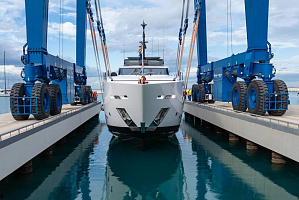
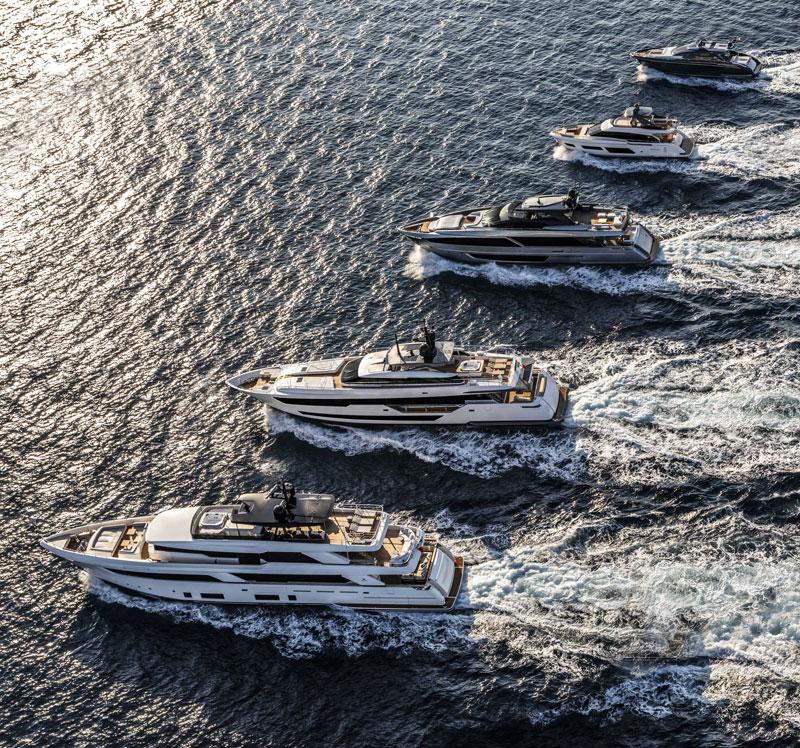
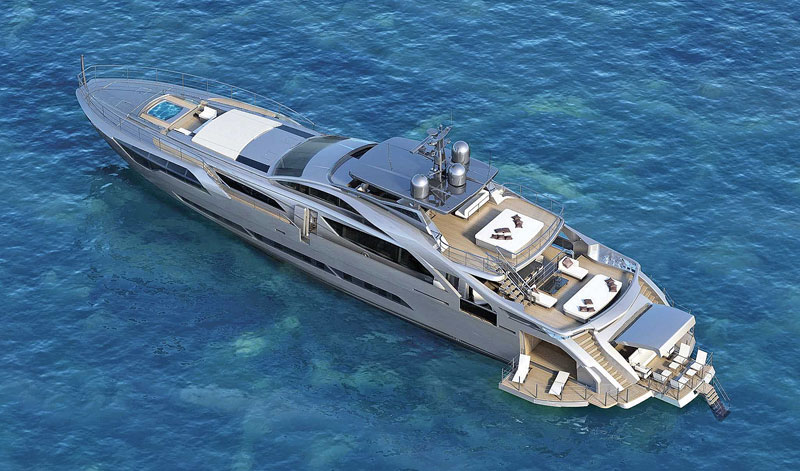
В стратегическом плане группа делает все больший упор на суперъяхты. Если за период 2015-2018 гг. у группы появилось восемь новых проектов яхт длиной свыше 30 м, то в 2019-2021 году планируется представить уже 13 новых суперъяхт. Всего же в предстоящие три года группа планирует построить 66 корпусов в сегменте супер- и макси-яхт. Прямо сейчас в Анконе строится пять новых яхт, которые будут спущены на воду в 2019 году: две Pershing 140, Riva 50 m, 62-метровая CRN 137 и 79-метровая CRN 135. Мы будем работать над тем, чтобы наши яхты были больше, современнее, лучше. Наша стратегия состоит в том, чтобы развивать каждый бренд независимо, сохраняя его ДНК. Переходя из рук в руки, на протяжении многих лет Ferretti Group была вынуждена сокращать расходы на разработку новых моделей, над яхтами разных брендов работала фактически одна и та же команда, а в этом случае очень тяжело обеспечивать дифференциацию дизайна и противостоять размыванию идентичности бренда. Сейчас мы применяем совершенно иной, децентрализованный подход к разработке и приглашаем новых дизайнеров. Мы стремимся к тому, чтобы каждый дизайнер работал только над одним брендом, чтобы эстетика и философия разных марок не пересекались.
Из всей группы cамым неожиданным выглядит выход в суперъяхтенный сегмент верфи Riva. Пятидесятиметровая Riva – это способ удержать клиента в «семье», чтобы, решив обзавестись судном совершенно иного размера, он не уходил на сторону?
Если бы мы хотели удержать клиента в семье Riva, то, пока он дорос бы от Dolcevita 110 до 50-метровой суперъяхты, прошло бы cлишком много времени. Причина появления Riva Superyacht Division не в этом, а в том, что есть клиенты, которые хотели бы стиль Riva в большом размере. И мы подумали, отчего бы не построить Riva со стальным корпусом, как Карло Рива в 60-х уже делал с Atlantique и Caravelle. На такие лодки есть спрос. Одна уже продана, по поводу второй мы ведем переговоры. Модельный ряд Riva может простираться от маленькой Riva Iseo до мегаяхты длиной 90 м и валовой вместимостью 3000 GT.
Не будет ли в таком случае конкуренции между Riva и той же CRN?
СRN – это эксклюзив. Лучшие дизайнеры, например Игорь Лобанов, с которым мы делаем проект 75 м, или Эспен Ойно, Франческо Пажковски. Riva – это совсем другая история. Люди, которые покупают Riva, не хотят другого дизайнера, они хотят дизайн от Riva. Скорее классический, нежели инновационный. Красное дерево, традиционные нос и корма. Riva – это классика, это лодка, которую узнаешь среди сотен других. Вот чего хочет покупатель Riva.
Что именно привлекает клиентов Ferretti Group?
Cтиль, красота, финансовая устойчивость, репутация, постоянство, превосходное послепродажное обслуживание. Мы всегда рядом с клиентом. Очень быстро реагируем на его запросы. Клиенты очень ценят такой подход. Им нравится наш стиль, нравимся мы, но важнее всего то, что они нам доверяют.
Можете ли вы вспомнить самую быструю и самую долгую сделку по продаже яхты в своей карьере?
Самая быстрая сделка была с клиентом из России. У него ушел всего час на то, чтобы купить яхту в Анконе и пожать мне руку. Самая долгая была в Китае. Переговоры с клиентом длились больше года. В то же время у меня есть итальянский приятель, которого я уговариваю купить яхту уже полтора года. Но с ним мы просто получаем удовольствие от самого обсуждения этой покупки, которая, возможно, так никогда и не произойдет.
Означает ли это, что к клиентам из разных стран нужен разный подход? Что вы скажете, например, о российских покупателях?
Они знают, чего хотят. Они опытны. Большинство из них покупают уже не первую яхту в своей жизни. И честно говоря, они не сильно отличаются от клиентов из других стран.
Ежегодные эксклюзивные клиентские мероприятия вроде Private Preview – это лучший инструмент для продвижения, чем традиционные яхтенные выставки?
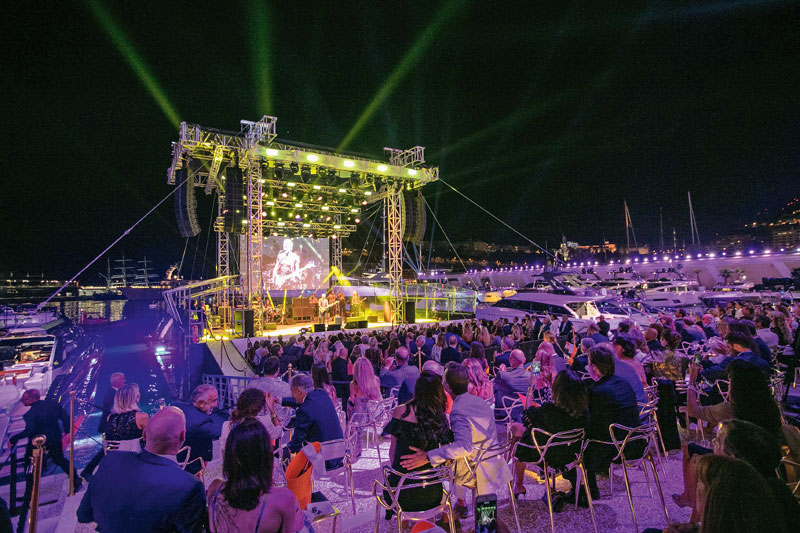
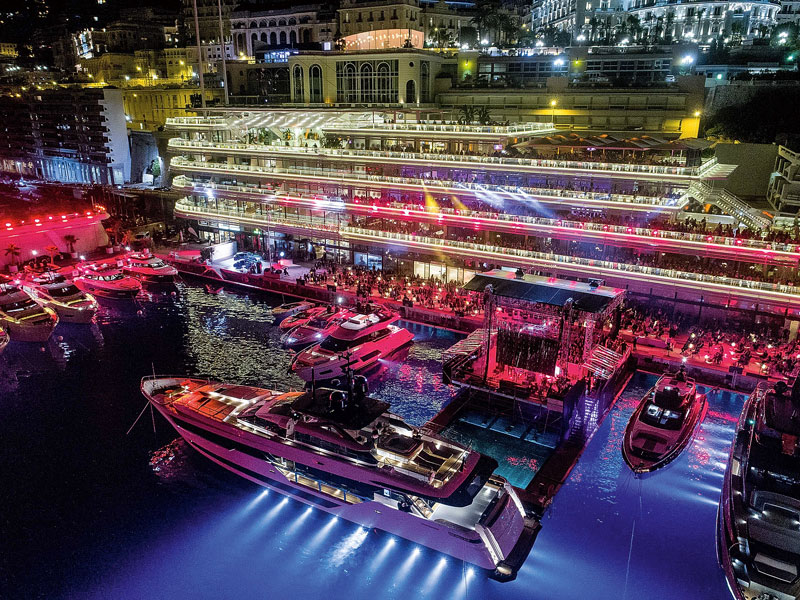
Нам нужно и то, и другое, но я уверен, что да. Это что-то очень приватное, очень элегантное, очень эксклюзивное. У нас очень большой лист ожидания из числа наших клиентов, настоящих и потенциальных, которые хотят побывать на мероприятии. Мы проводим это превью в яхт-клубе Монако, который на это время целиком переходит в наше распоряжение. Только яхты Ferretti Group могут стоять у причала клуба. Мы не используем это мероприятие как инструмент продажи яхт – это в большей степени вечеринка для друзей, которая дает ощущение сопричастности, ощущение, что вы являетесь частью большой и дружной семьи. В 2016 у нас выступал Элтон Джон, в 2017 пели Duran Duran, а в 2018 с нами был Стинг.
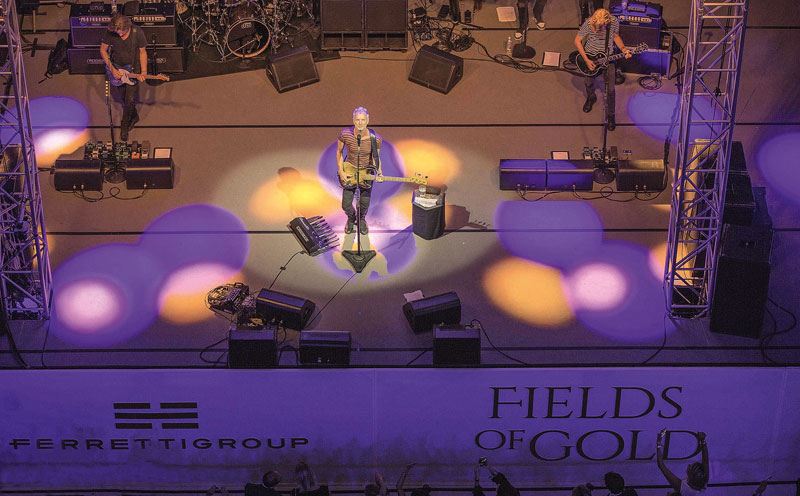
У артистов, которые выступают на Private Preview, есть лодки?
У Элтона Джона есть Riva. У Стинга винтажная Riva. У Саймона Ле Бона [cолиста Duran Duran – прим. ред.] опять же Riva. Duran Duran в 80-х сняли очень красивый клип на песню Rio на борту парусной яхты. Все наши гости испытывают настоящую страсть к лодкам, но мы выбираем их не по этому признаку. Мы просто приглашаем самых лучших.
Расскажите о вашей яхте Navetta 33 Telli. Почему вы остановили выбор на этой модели?
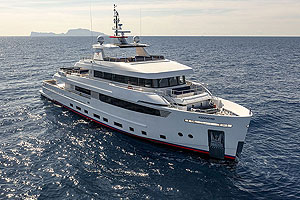
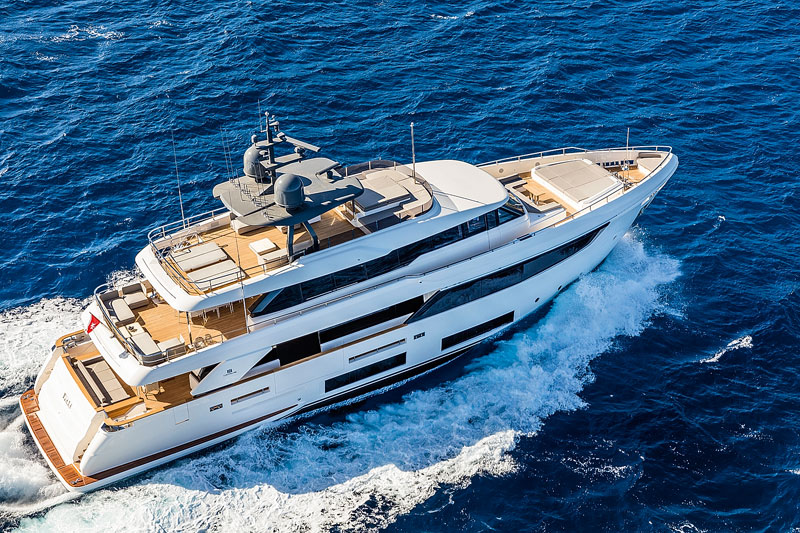
Раньше у меня была водоизмещающая яхта длиной 33 метра, и мне многое хотелось в ней улучшить. Поэтому мы со специалистами нашего отдела разработок сели и спроектировали Custom Line Navetta 33. Telli, первый корпус этой линейки, воплощает мое видение идеальной яхты такого размера. И знаете что? Мы угадали. С момента дебюта этой лодки продано уже 12 корпусов. У нас еще не было более успешной модели. Это превосходная визитная карточка FG.
Каковы ее наиболее знаковые, на ваш взгляд, особенности?
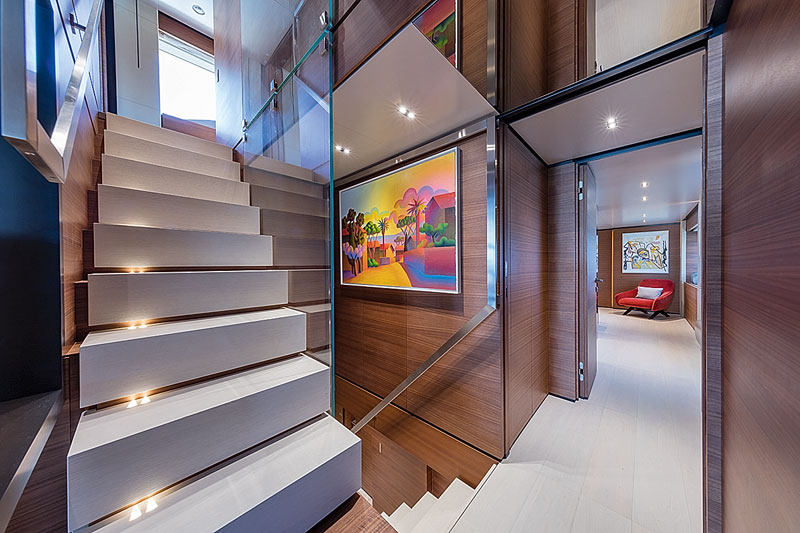
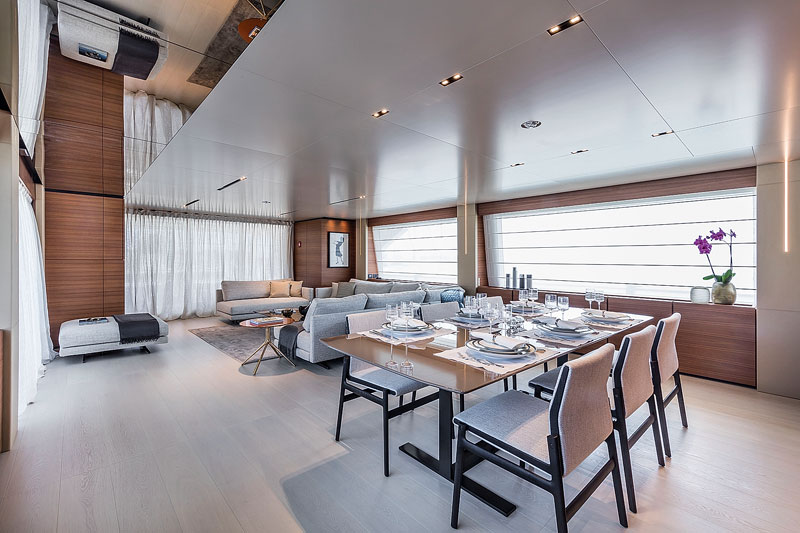
Салон на верхней палубе с открывающимися окнами, «плавающий» пол, обеспечивающий прекрасную шумо- и виброизоляцию. Уникальное для рынка соотношение размеров, вместимости, пространства за эту цену.
Слышал, что, когда вы были ребенком, ваши родители поссорились из-за катера…
В 1974 году отец приобрел катер Riva. Мне тогда было только 10 лет, но я хорошо помню, какой скандал ему закатила мама. Имея дом на берегу Адриатики, зачем покупать катер? Отец терпеливо объяснял, что с этой лодкой наши семейные каникулы станут совершенно другими. Так и получилось. Именно тогда я понял, насколько по-разному можно воспринимать лодку на бумаге и в жизни. Если говорить сухим языком цифр, в покупке катера или яхты нет никакого смысла. Но стоит попробовать, как это на самом деле, и все меняется. Удовольствие, которое мы получали, и свобода, которую дарил катер, были важнее затрат, и мама сдалась. Сорок четыре года спустя Riva по-прежнему в нашей семье.

Что дальше?
В течение следующих пяти лет с Ferretti Group произойдут большие перемены. У нас появится новая производственная площадка, которая позволит увеличить мощности и строить еще более крупные яхты. На данный момент мы достигли лимита наших возможностей и, чтобы расти дальше, нам нужно больше места. Наша цель – достичь годовой прибыли в 1 млрд евро. Чтобы реализовать эту задачу, мы будем серьезно инвестировать в проектирование и дизайн новых моделей, которые будут расти в размере и соответствовать самому последнему слову техники и новейшим тенденциям в дизайне. Мы постоянно в поиске новых возможностей. В ближайшие пять лет мы представим новый бренд, а может быть, даже два. В следующем году выпустим восемь новых моделей.
Что вы думаете о перспективах новых технологий, таких как электрические яхты или гибриды? Есть ли у Ferretti Group планы развития в этой области?
Я не верю в полностью электрические яхты, но верю в гибриды. С технической точки зрения по-прежнему не решена проблема достаточно совершенных батарей – их просто нет. Та же самая проблема стоит перед автомобильной индустрией. Клиенты не готовы жертвовать своим комфортом, наоборот, им нужны более мощные электрогенераторы для питания многочисленных систем на борту, и полностью уйти от дизельного топлива в ближайшее время мы не сможем. Другое дело гибридные силовые установки. Эта технология окажет серьезное влияние на индустрию, так что Ferretti Group в скором времени покажет свой гибрид. Также я уверен, что в обозримом будущем мы получим новые материалы, которые позволят делать яхты легче и тише.